The Municipality of Tehran conducted its first program of specialized visits under the name 'Presentation of Tehran's Urban Management Capabilities.' The focus of the event was on city markets, logistics, and food security. This event took place on Saturday, October 10, in cooperation with the Organisation for Economic Co-operation (OECD) and the Asia Forum of Mayors (AFM).
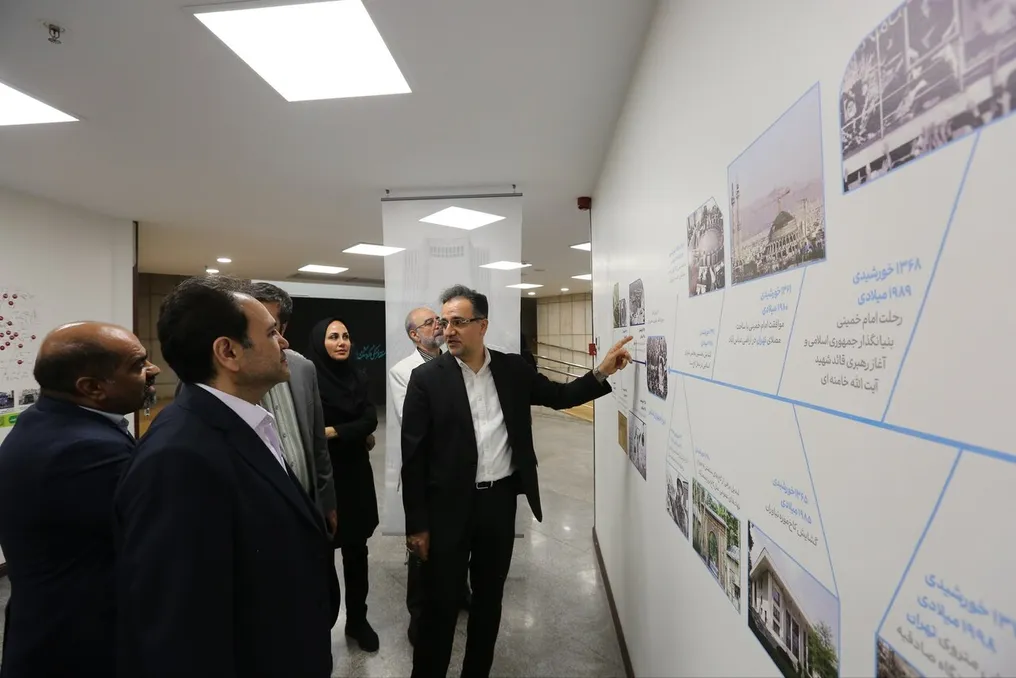
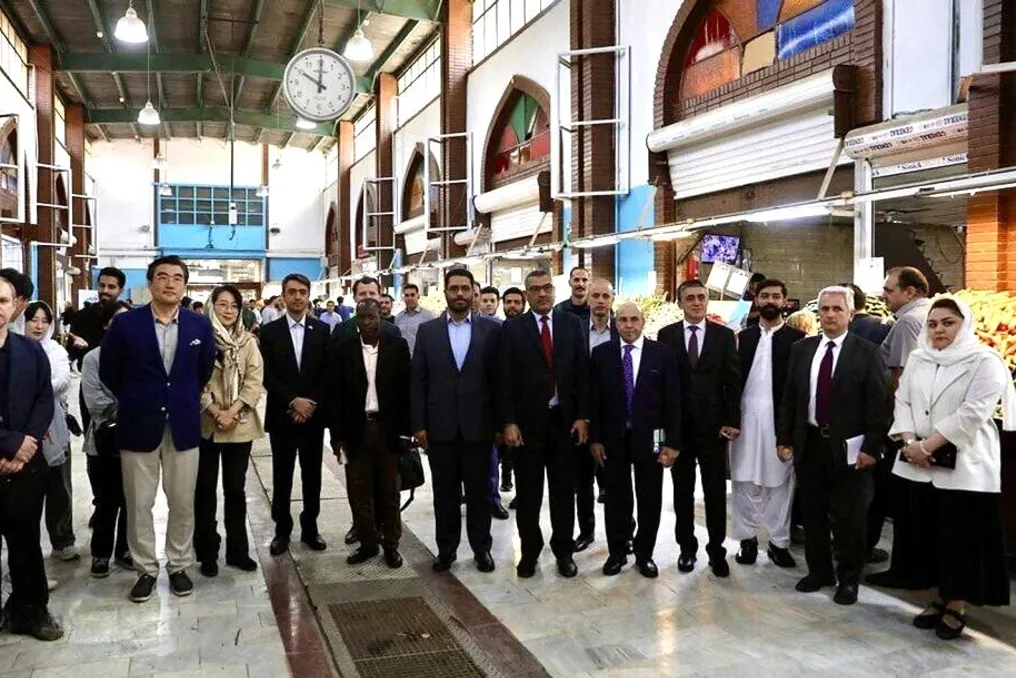
Representatives from foreign countries and international organizations visited the Jalal al-Ahmad fruit and vegetable market, as well as the Behaghi Shahravand store. During these visits, they familiarized themselves with the capabilities of Tehran's urban management in the sphere of supplying and distributing essential goods. After inspecting the facilities, a special meeting was organized to study areas for joint cooperation.
This program, titled 'Specialized Visit to Tehran's City Markets, Logistics, and Food Security,' by the International Deputy of the Municipality of Tehran's Communications Center, was positively received by all attendees. The goal of this initiative was also to develop urban diplomacy and present Tehran's managerial capabilities to representatives of international structures.
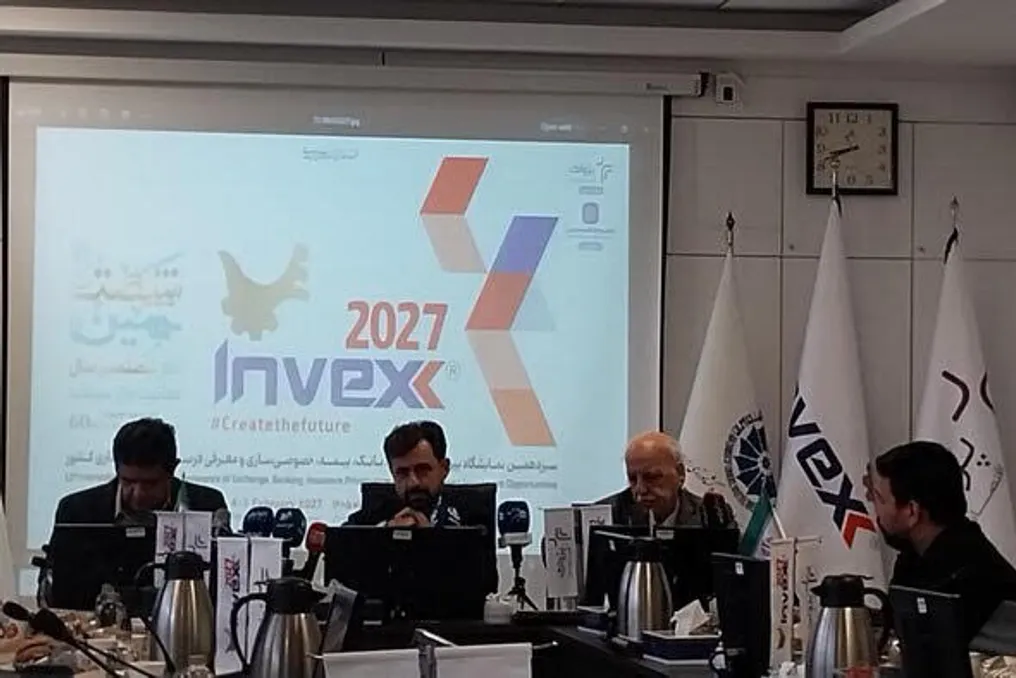
A press conference was held at the administrative part of the Shahravand store during the visit. Present were Davood Korbaniyan, CEO of Shahravand store; Mehdi Bahtiarizadeh, CEO of the Markets Organization; Hamid Reza Gholamazadeh, Head of the Communications and International Affairs Center of the Tehran Municipality, along with the Secretary General of the Asia Forum of Mayors; and Mohammad Ali Shafiei, International Deputy of the Communications and International Affairs Center of the Tehran Municipality. Narrowly specialized topics concerning the management of city markets, goods supply, and food security were discussed.
The CEO of the Tehran Municipality's Fruit and Vegetable Market Management Organization stated the organization's readiness to develop international interaction in the field of technical knowledge transfer, food supply and distribution, as well as expanding the export of Iranian products, citing the potential of the capital's market network.
Emphasizing the municipality's responsibility for ensuring citizens' food security, he noted that access to healthy, high-quality, and affordable food products is one of the municipality's key tasks. In this regard, an extensive network of fruit and vegetable markets and Shahravand stores has been established throughout the city.
Bahtiarizadeh added that approximately 320 fruit and vegetable markets are currently operating in Tehran, and citizens can reach one of the municipality's food distribution centers within less than 900 meters on average.
Regarding quality control mechanisms, he reported that a direct supply chain and constant testing have been implemented to guarantee product health; goods that do not meet established quality and health standards are not allowed into the markets supervised by the organization.
The CEO of the Tehran Municipality's Fruit and Vegetable Market Management Organization also highlighted the possibility of cooperation with participating countries, noting that this complex is capable of sharing technical knowledge, exchanging experience, and presenting models of food management and distribution.
Referring to Iran's agricultural potential and the production of diverse products across different seasons, he added that interaction with traders and economic entities could form the basis for developing the export of fruits, vegetables, and protein products.
Bahtiarizadeh noted that trade in agricultural products currently exists between Iran and some of the countries present at the meeting, and cooperation with the extensive network of the Tehran Municipality can help strengthen these ties and establish export routes.
In conclusion, he expressed hope that this visit would serve as a catalyst for expanding commercial and technical partnerships with friendly states and forming more sustainable relationships in the field of food supply, distribution, and export.
During the visit to the Jalal al-Ahmad fruit and vegetable market, Mehdi Bahtiarizadeh, CEO of the Tehran Municipality's Fruit and Vegetable Market Management Organization, explained the possibilities of this network, stating that the purpose of the markets is to reduce the distance between producer and consumer, provide direct food supply, and give citizens access to necessary goods at reasonable prices.
He specified that 320 markets and bazaars managed by the organization operate in Tehran, offering a wide range of goods, including fruits, vegetables, summer crops, meat, poultry, aquatic products, grains, legumes, nuts, and other vital products.
Pointing out that about 53% of Tehran's food needs are met and distributed through this network, Bahtiarizadeh added that the price of many goods in the markets is 30–45 percent lower than city prices. More than two million tons of fresh and processed food are distributed through this complex annually.
Davood Korbaniyan, CEO of Shahravand company, also emphasized the need to expand international cooperation, stating that familiarization of representatives from countries and embassies with the services of the Tehran Municipality can contribute to strengthening interstate relations and developing commercial and trade communication.
Referring to the company's capacity to interact with trade and retail partners in various countries, he reported that Shahravand is ready to create a foundation for the exchange of knowledge, experience, and technologies, as well as for developing commercial interaction. In this regard, he invited country representatives to present competent companies from their states to begin joint work.
Korbaniyan, who is also a vice-chairman of the country's network of stores, added that the opportunity to establish contacts and exchange experience exists not only for Shahravand but also for other network stores in Iran.
Highlighting Iran's significant production capacity in agricultural products and food, as well as the presence of a wide consumer market, he noted that foreign companies can discover new opportunities to develop their commercial activities by studying the needs of the Iranian market.
The CEO of Shahravand company continued that the areas of cooperation are not limited only to the supply of food, agricultural products, and meat; they also include the field of retail technologies, such as ERP software, store management, and marketing systems. Shahravand company is ready to utilize the specialized knowledge and experience of foreign companies in these areas.
At this meeting, Korbaniyan, speaking about the role of Shahravand stores and fruit markets, added that Iranian producers and industries can use the potential of Shahravand stores to offer products, promote brands, and enter the consumer market. In turn, the company can serve as a platform to present and offer products from various countries in the Iranian market, including areas such as raw materials, agricultural and food products, packaged goods, and retail technologies.
He asked country representatives to assist in establishing contacts with competent companies and economic entities through their commercial attachés and embassy economic sections.
In conclusion, Korbaniyan expressed hope that these visits would lead to practical and sustainable cooperation between Shahravand company, Iranian traders, and foreign firms, creating a foundation for market development, knowledge and technology exchange, and mutual satisfaction of parties' commercial needs.
The Secretary General of the Asia Forum of Mayors emphasized at this meeting the importance of utilizing the potential of intercity relations for developing commercial cooperation, experience exchange, and attracting economic companies. He spoke about the ability to cooperate with regional cities in the fields of product export and import, knowledge transfer, and provision of urban services, based on Tehran's experience in large-scale goods distribution and maintaining citizen access to basic necessities.
Gholamazadeh also presented the 'Zero Inflation' initiative, aimed at stabilizing the prices of 12 essential goods over six months, as one of the measures of the Tehran Municipality to support the population.
At the end of the program, representatives from foreign countries and the Deputy Secretary-General of the OECD found Tehran's capabilities in food supply and distribution significant in discussions with journalists. The Deputy Secretary-General of the OECD also highly praised the city's experience in food provision and distribution, emphasizing the role of municipalities in strengthening food security and ensuring the availability of goods for citizens even in crisis conditions. Emre Hengut called for continuing specialized visits and exchanging experiences to develop cooperation between cities and regional institutions.
The list of guests present at the half-day tour organized by the Tehran Municipality included the South Korean Ambassador Kim Junpyo and his spouse, the Levantine Ambassador Ahmad Sweidan, Khalid Ibrahim Elsheikh, Deputy Head of Mission at the Sudanese Embassy, Bahadur Nazir, Advisor to the Tajik Embassy, Mostafa Diabate, Advisor to the Burkina Faso Embassy, Vladislav Perpelkin, Advisor to the Russian Embassy, Hubert Pribyshevski, First Secretary of the Polish Embassy, Oman's Deputy Ambassador, Faizan Taimur Sakib, Third Secretary at the Pakistani Embassy, Jadizadeh, Economic Officer of the UN Coordinator's Office, Centay Emre Angut, Deputy Secretary-General of the OECD, and Lolu Geybollakhzadeh, Head of the OECD Coordination and Follow-up Department.
Overall, the specialized visit served as a practical step in strengthening Tehran's urban diplomacy and presenting its integrated network of fruit and vegetable markets and Shahravand stores as a working model for ensuring food supply, regulating prices, and providing access to essential goods. By bringing together foreign ambassadors, international organizations such as the OECD and AFM, and officials of the Tehran Municipality, the program created a platform for the exchange of technical knowledge, expansion of agricultural and food trade, and encouragement of joint investments and retail cooperation. If these initiatives are backed by concrete agreements and continuous monitoring, they can help transform relations between cities and international ties into tangible economic partnership, enhance regional food security, and open up new opportunities for export and knowledge exchange for both Iran and the participating countries.