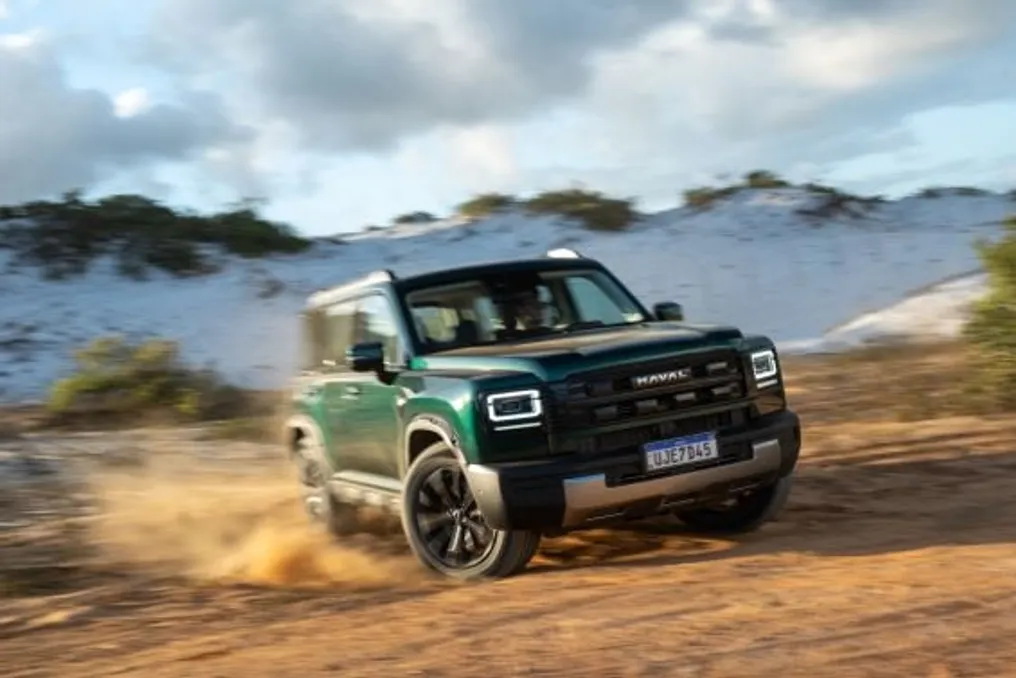
GWM's vehicle lineup in the Brazilian market has been expanded with the introduction of the Haval H7, a model that blends the robust design of the H9 with the more conventional characteristics of the H6. The manufacturer, which leads the SUV segment in China, aims to cater to diverse consumer profiles.
Although the Haval H7 uses the same platform as the H6, GWM has implemented technical modifications to ensure an off-road capability compatible with its aesthetic. Furthermore, the vehicle features specific adjustments to its equipment package.
To assist consumers undecided about which GWM SUV to purchase, the distinction between these three models in the Haval line is detailed.
Technical Differences Between Models
Despite sharing the H6 base, the Haval H9 has notable technical peculiarities. Its electric motors are designed to prioritize torque over power, which significantly aids in rough terrain. The Haval H7, on the other hand, features a differential lock on the rear electric motor, a very valuable feature in severe operating conditions. In contrast, the H9 operates with a 2.4 turbodiesel engine, without any electrified components.
In terms of performance, the Haval H6 PHEV 35 excels in performance, offering a GT version with a sportier look. The H9, due to its weight and diesel engine, is not the most agile, but demonstrates great aptitude for heavy trails. The new Haval H7 establishes itself at an intermediate point between the two.
With a ground clearance of 22 cm, good immersion capacity, and a lockable rear differential, the H7 allows for expeditions superior to the average of SUVs built on a unibody chassis. However, this feature impacts the hybrid system, as the H7 has a smaller battery capacity than the H6. Consequently, the purely electric range of the H7 is 92 km, while the more conventional model achieves 126 km.
Another relevant differentiating point is the inclusion of a spare tire in both the H7 and H9; the H6, on the other hand, comes equipped only with a repair kit. For many buyers, the presence of a full spare tire remains a decisive factor. Despite a first impression that might seem incomplete, it is clear that GWM is structuring a variety of SUVs with distinct proposals, following a tactic adopted by other groups, such as Stellantis, but optimizing the customer experience by avoiding the need to visit multiple dealerships.