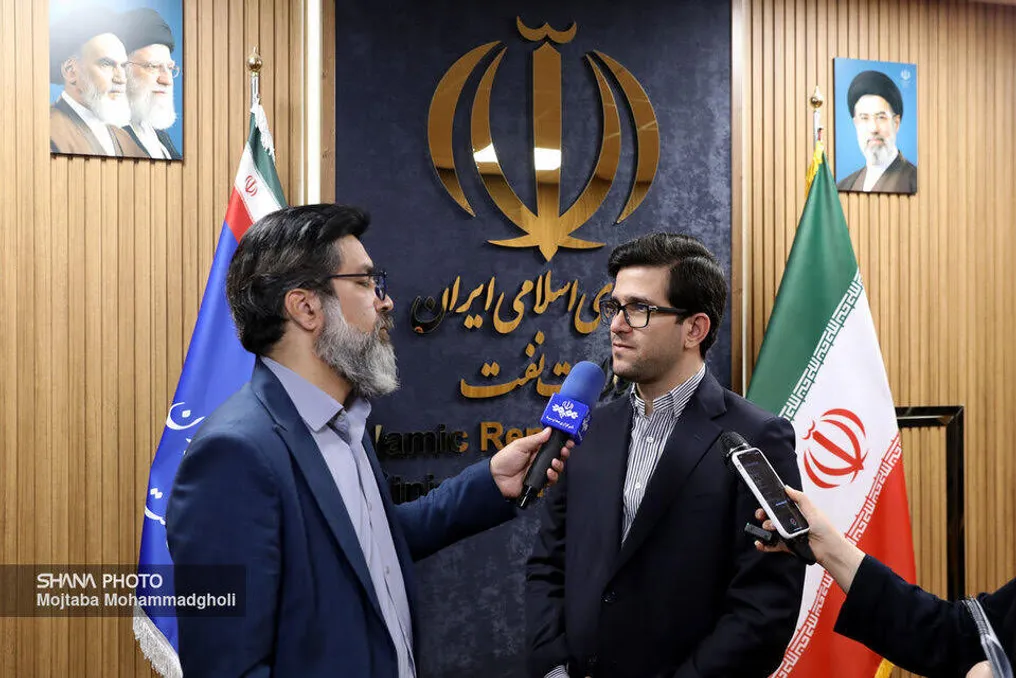
The CEO of the National Iranian Oil Refining and Distribution Company reported on the impact of introducing the third level of gasoline tariffs on fuel consumption structure. He noted that CNG consumption is growing by approximately 12% in the sector, and the desire to use this fuel, especially in public transport and online platforms, has increased.
According to Shany, Mohammad Sadegh Azimfar stated that gasoline consumption decreased by about 3% during the plan implementation period compared to the same period last year. He emphasized that gradual and phased reforms allow for simultaneous adjustment of consumption and guiding consumer behavior towards using alternative fuels.
The CEO of the National Iranian Oil Refining and Distribution Company added that a series of plans has been developed to manage and ensure transparency in fuel consumption. These plans are being implemented in various phases, feedback is being collected, shortcomings are being addressed, and then the plan is expanded to a wider statistical group, which aligns with scientific procedure.
Gas Station and Power System Operations
Azimfar mentioned emergency access cards at gas stations, noting that currently about 40% of gasoline consumption in the country is done using such cards, which has two significant drawbacks. Regarding the condition of power plant fuel tanks, he explained that amid the increased gas imbalance this winter due to damage to gas facilities during the war, supplying liquid fuel to power plants is one of the solutions for stabilizing the national energy grid in the cold season.
Emphasizing the need for synergy between the Ministry of Petroleum and the Ministry of Energy, he stated that diesel fuel stored at power plants is considered a suitable reserve for entering the cold season.
The CEO continued, expressing hope for successfully overcoming the winter thanks to comprehensive measures developed in various sectors under the guidance of the Interior Ministry's optimization working group.
Consumption Management and Leak Prevention
Azimfar stressed that achieving this goal depends on all industries, including household and industrial sectors, which must take seriously the optimization and management of gas consumption. In his estimation, optimizing and managing consumption by just 10% can ensure sustainable gas supply for various sectors.
Regarding measures to solve problems, he reported that various pilot plans are being introduced and implemented to address the issue of access control in station cards, which transferred authority to the station operator, as well as to resolve the issue of insufficient refueling transparency. One such plan is assigning identifiers to emergency access cards at stations, which naturally has one or two drawbacks and is in the pilot testing stage.
The CEO of the National Iranian Oil Refining and Distribution Company emphasized that if the fueling plan at stations is implemented and rolled out nationwide, consumer satisfaction and user experience will certainly be taken into account, and an attempt will be made to simplify the refueling process for people.
Azimfar added that such plans contribute to refueling transparency and data collection, allowing for the identification and countering of any theft. The CEO stressed that if subsidized fuel is diverted, these resources will leave citizens' pockets and go to abusers.
Referring to measures against smuggling and fuel theft, he reported that the Headquarters for Combating Smuggling of Goods and Currency announced that most fuel theft occurs in the diesel sector. Thanks to the adopted measures, diesel fuel consumption has been reduced by about 6% compared to 2024, and the country has turned from an importer to an exporter of diesel fuel.