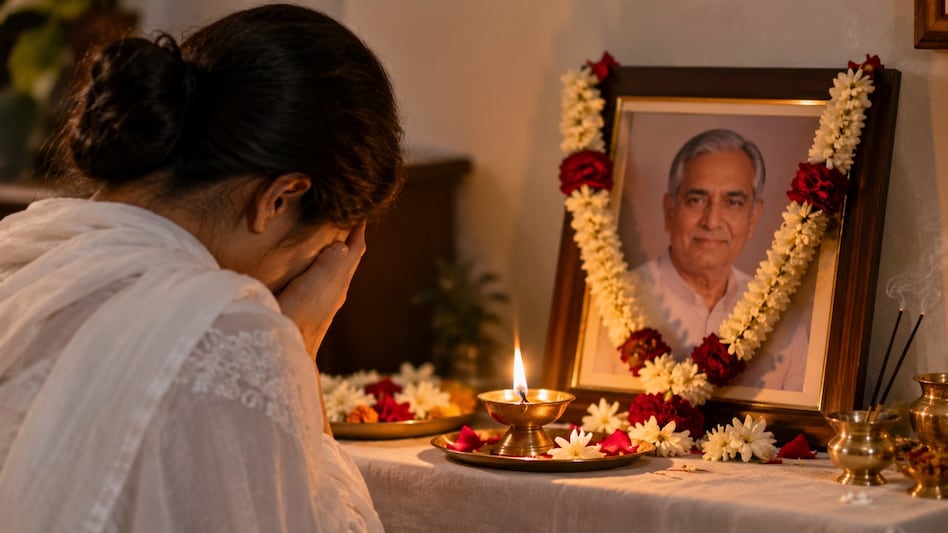
Death is a physical process; the soul is immortal. The death of the body is not the end of life, but merely a transition from one state to another. The body dies, but the soul's journey continues uninterrupted. It is considered appropriate to mourn the deceased with family members and relatives up to the thirteenth day. However, constantly mourning the deceased for many years, continuously lighting candles in front of their photograph, etc., only creates obstacles on the soul's further path. Thus, the deceased's loved ones themselves can unconsciously become an obstacle on the path of their soul.
After a person's death, various religious rituals are held in the family over several days. The purpose of these rituals is to ensure the successful journey of the soul. From a religious perspective, lighting candles in the home for 13 days is seen not just as an act of illumination. Fire and light symbolize purity, knowledge, and guidance. Therefore, a candle lit in memory of the deceased expresses the wish that the departed's further journey will be prosperous, and the family, while showing respect to him, prays to God for his blessed transition.
The future movement of the being (in the form of a body) depends on its karma. The significance of rituals such as pindadanas, conducted within 13 days after death, becomes evident. Although the methods of conducting these rituals may vary depending on different regions and traditions, everyone should observe certain rules during this period.
During this period, respect should be shown to the deceased, but one should not allow oneself to become excessively attached. Crying after the loss of a loved one is natural, and remembering them in front of their photograph is emotionally comforting. However, repeatedly calling out for the deceased, refusing to accept their passing, and constantly mourning them does not serve the interests of that soul. Instead, it is better to perform virtuous deeds, such as prayer, tarpan, sharaddha, giving, and service in their honor.
This 13-day period also gives the family the opportunity to gradually accept the reality of death. From a religious point of view, the goal of the rituals performed during this time is to fulfill the duty to the departed and to wish them a blessed transition. Simultaneously, the family must begin preparing for a return to their own lives.
Therefore, constantly lighting candles even after the thirteenth day after death can be viewed not just as a tradition, but as a symbol of striving for light, hope, and a blessed transition. One should remember the deceased with respect, pray for them, and perform good deeds in their name. Grief is a natural reaction. However, it is more appropriate to give grief a form that expresses respect for the deceased while simultaneously giving the family the strength to move forward in life.