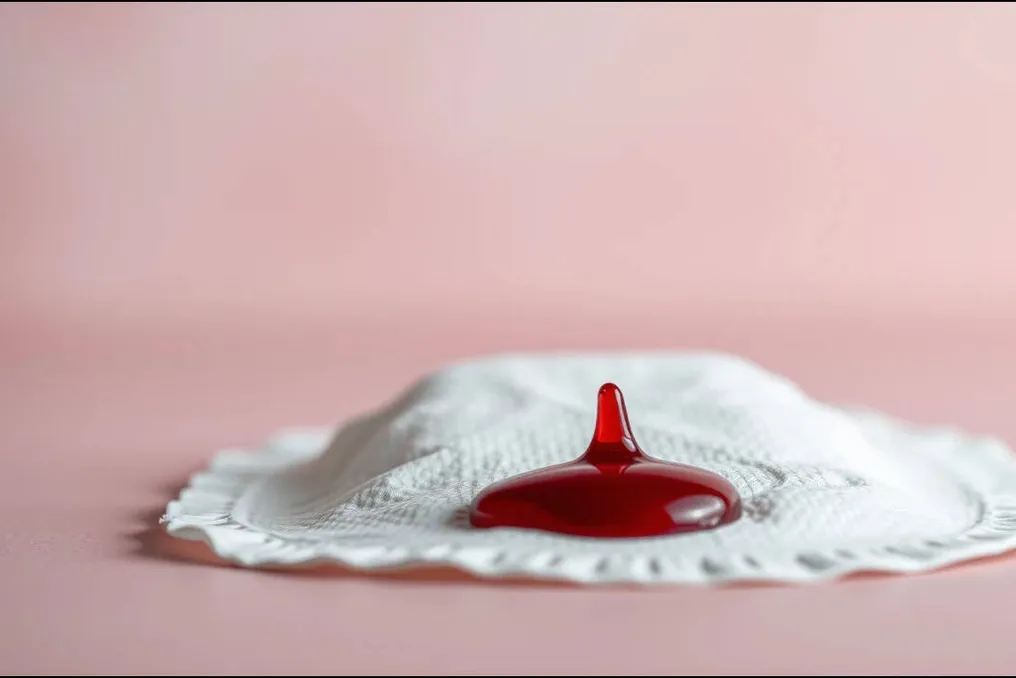
Many women tend to dismiss discomfort associated with the menstrual cycle as a temporary phenomenon, saying: 'Relax! It's just your period. You'll feel better in a couple of days.' However, many experience recurring cycles of exhaustion, mood swings, and hormonal changes that repeat monthly from the start to the end of menstruation.
The menstrual cycle is a process lasting about a month, which extends far beyond the days of bleeding. It includes hormonal fluctuations, ovulation, as well as symptoms such as fatigue, bloating, and premenstrual manifestations. Nevertheless, what happens inside the body between periods remains insufficiently studied for many women.
Some women experience severe cramps, exhaustion, and a need to be alone during menstruation. Others struggle with bloating, back pain, irritability, or difficulty concentrating at work. For many, the days leading up to menstruation can be as difficult as the bleeding itself.
Sasha Singh describes her menstrual experience, saying: 'It feels like someone is constantly stabbing my stomach with a sword, not a knife.' She adds that emotionally she is very irritable, and 'eye rolls become the only friend on that day.' She notes that the luteal phase is the hardest for her because it heralds the coming days.
For Shivangi, physical discomfort is accompanied by emotional strain. She shares that she feels the urge to hit anyone who speaks to her and to cry constantly. Physically, she feels like her insides are 'sucked out and repeatedly scraped.' She believes the most painful days are the first and the penultimate one.
These personal stories highlight how differently women can experience the menstrual cycle, both physically and emotionally. They also raise a broader question: what is happening in the body when there is no bleeding?
The menstrual cycle is not limited to three to seven days of menstrual bleeding; it is a continuous process involving hormonal changes and transformations of the ovaries and uterus as the body prepares for possible pregnancy. These changes affect not only the uterine lining but can also impact energy levels, sleep, appetite, skin condition, digestion, and mood throughout the month.
Although some women notice clear changes when transitioning from one phase to another, others experience only minor symptoms after menstruation ends.