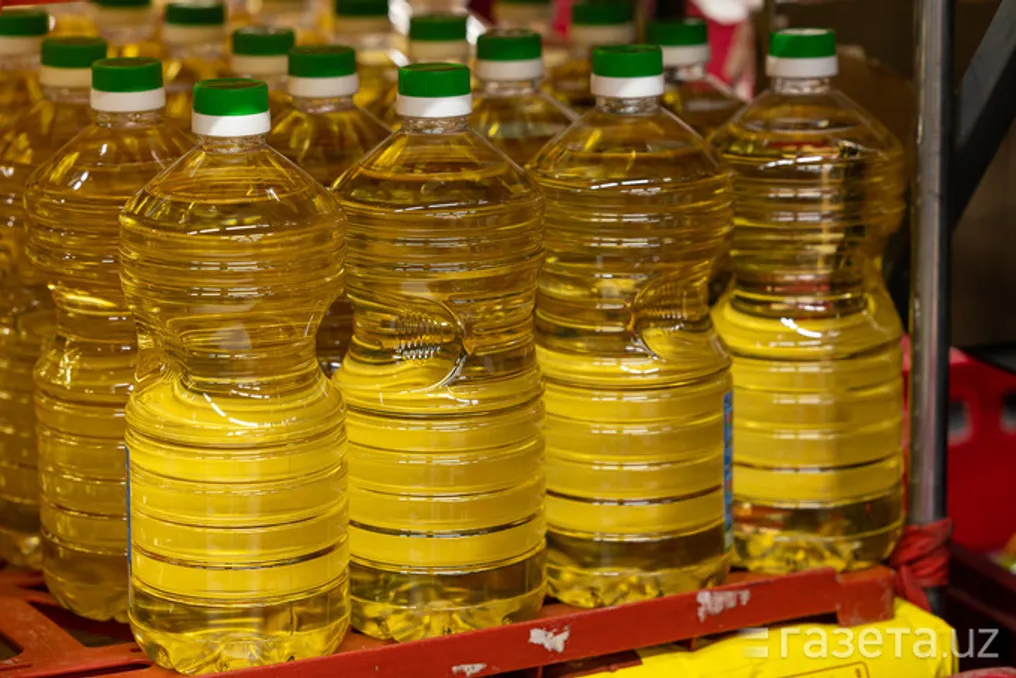
The introduction of mandatory digital marking for vegetable oil is being discussed in Uzbekistan, with the system scheduled to come into effect on July 1, 2027. The draft resolution of the Cabinet of Ministers has been submitted for public discussion, which is planned until October 24.
Uzbekistan's digital product tracking system was launched in 2020 for goods with a high risk of counterfeiting and smuggling, such as tobacco products and alcoholic beverages. This system was later expanded to include pharmaceuticals and household appliances, and subsequently, against manufacturers' objections, it covered non-alcoholic beverages, including drinking water.
The draft resolution, developed by the Tax Committee, justifies the need for this marking by aiming to stop the illegal circulation, production, and sale of vegetable oil, as well as to digitize the entire production and sales chain.
According to the documents, the marking will be done using a barcode sticker affixed to the external or internal consumer packaging. Producers, importers, and companies engaged in wholesale and retail trade of vegetable oil will be obliged to integrate into the national product marking and tracking system, Asl belgisi, operated by CRPT Turon. This system is designed to monitor the entry, circulation, and withdrawal of marked products from circulation.
The sale of vegetable oil without the required marking code will be classified as a violation of trade rules and will incur penalties according to current legislation. CRPT Turon, together with the Tax Committee, must provide registered producers and importers with an order management station with remote usage functionality by January 1, 2027, should the draft be approved.
Furthermore, the application of marking code aggregation is proposed to begin on January 1, meaning the combination of codes from individual packages or boxes into a single transport unit code. It should be noted that the introduction of aggregation for water and non-alcoholic beverages was previously postponed from April 1, 2026, to April 1, 2027.
Control over compliance with all established requirements rests with the tax authorities. Earlier this summer, a draft resolution on the marking of jewelry was published, which is set to start in 2029. In 2022, plans were discussed for the marking of tires, auto parts, and carpets. Moreover, the presidential decree of November 30, 2018 (which has since become invalid) listed 54 categories of goods subject to mandatory marking, including non-alcoholic and alcoholic beverages, medicines, vitamins and food additives, cosmetics and hygiene products, household chemicals, fertilizers, automotive fuel, and others.