Giant Mollusk Shell Holds 30-Year Climate Archive of the Great Barrier Reef
Read more
Getaway
getaway.co.za

Giant Mollusk Shell Holds 30-Year Climate Archive of the Great Barrier Reef

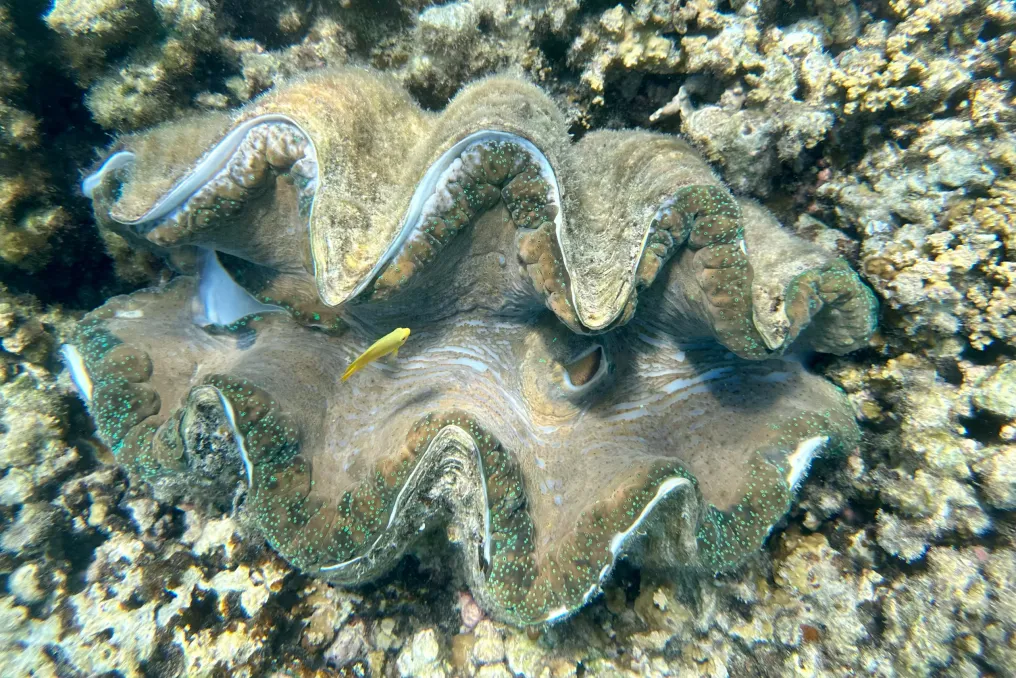
The shell of a giant mollusk provided scientists with an unusual glimpse into the past, as it preserved climate information spanning nearly 30 years related to the Great Barrier Reef over 200 years ago.

The species Tridacna gigas, the world's largest living bivalve mollusk, lived in the Jigurru area, also known as Lizard Island group, approximately from 1785 to 1827. Its shell turned into a natural climate archive, offering rare insights into the reef's conditions before oceans began monitoring with modern instruments.

As the mollusk grew, it added microscopic layers to its shell daily. Researchers can count these growth lines and analyze the chemical composition within them to reconstruct past environmental conditions.

Scientists discovered about 10,900 daily growth lines, indicating that the mollusk lived for about 30 years. The shell was 58 cm long. Chemical analysis revealed data on sea temperature, precipitation levels, as well as periods of drought and humidity throughout the mollusk's life.

The data obtained suggests that the waters around Jigurru were cooler than they are today. Compared to modern measurements in the area, the reconstructed temperatures were, on average, 0.6°C to 0.9°C lower. The largest difference was observed in the summer, when the temperature could be 1.2°C lower.

The shell also recorded changes in precipitation patterns and climatic patterns, including periods resembling El Niño and La Niña conditions. For scientists, this makes the mollusk not just an impressive marine animal; it provides a rare seasonal record of the tropical Southern Hemisphere during a time when very few direct climate measurements existed.

Although one mollusk cannot tell the whole story of the Great Barrier Reef, it adds an important detail to the overall picture. Natural archives, such as corals, ice, and shells, allow scientists to look beyond modern meteorological records and understand how oceanic conditions have changed over time.

There is a possibility of other similar records existing beneath the waves. Giant mollusk shells are capable of preserving environmental information with strikingly fine temporal intervals, meaning that other specimens could help researchers build a more complete picture of climate change in the Indo-Pacific region.
Similar stories

Radioactive waste hidden in the ocean for 70 years discovered at a depth of 4700 meters
Read more
www.aajtak.in

Radioactive waste hidden in the ocean for 70 years discovered at a depth of 4700 meters

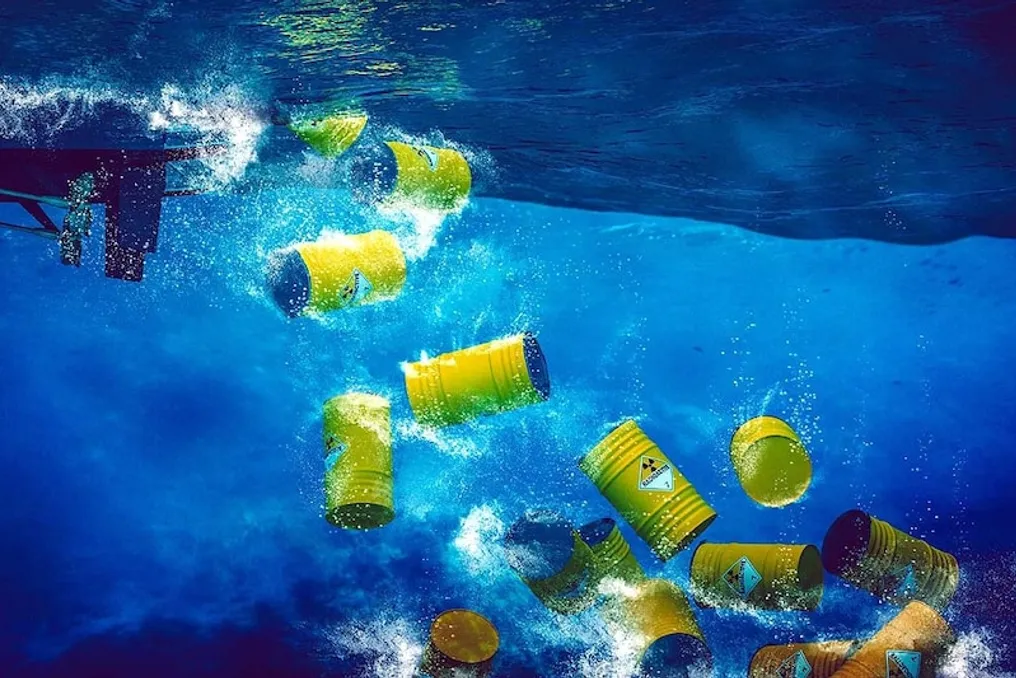
Radioactive waste located at a depth of about 4700 meters in the Atlantic Ocean has become the subject of scientific study. In 2026, a team from CNRS in France conducted an inspection of these old drums on the seabed as part of the NODSSUM research. It was found that many of the drums are heavily corroded, and the contents of some have scattered across the seafloor.

These drums were dumped by European countries over many decades. According to the NODSSUM project, between 1950 and 1990, over 200 thousand drums containing low-level radioactive waste were discharged into the northeastern part of the Atlantic Ocean. This waste was buried at depths ranging from 3000 to 5000 meters. In 2026, scientists made 20 dives using the submersible Nautile, reaching depths exceeding 4700 meters for inspection.

The scientific group traveled to the research vessel Porqua Pa using the underwater vehicle Nautilus. The team directly inspected numerous old drums and collected samples of water, seabed sediment, and marine organisms from the vicinity of the drums. Most of the drums were found to be very old and in poor condition due to rust. In some places, the contents of the drums leaked out and spread across the seabed. Scientists are currently analyzing these samples in the laboratory to determine the extent of radioactive substance dispersion in the surrounding area.

Marine life, such as sponges and anemones, was found around these old drums. Crabs and other small marine animals were also present. The research group is trying to determine whether these animals are affected by the radioactive waste. To this end, samples of water, sediment, and marine organisms were collected, the analysis of which will show whether radioactive substances reach marine life.

The radioactive waste dumped into the sea came from various sources. These included waste from nuclear power plants related to nuclear fuel handling, hospitals, research centers, and industrial facilities. According to OSPAR, at the time, discharging such low-level radioactive waste into the sea was considered an acceptable method. In total, over 150 thousand tons of materials, including radionuclides such as cesium-137, plutonium isotopes, and tritium, were dumped into the sea. The dumping of radioactive waste into the sea was subsequently banned. The ban on such discharges in the northeastern Atlantic was introduced in 1992, and a global ban on the dumping of radioactive waste into the ocean was adopted in 1993.

During the first NODSSUM study in 2025, a map of the location of thousands of drums on the seabed was created. In the 2026 study, scientists reached these locations and collected samples of water, sediment, and marine organisms. These samples will now undergo laboratory analysis. Scientists will find out whether radioactive substances have reached the seawater, sediment, and living organisms so many years after these old drums were dumped. Currently, the scientists' main focus is on the long-term impact of the deteriorating condition of these old drums on the sea and its inhabitants.

Popular