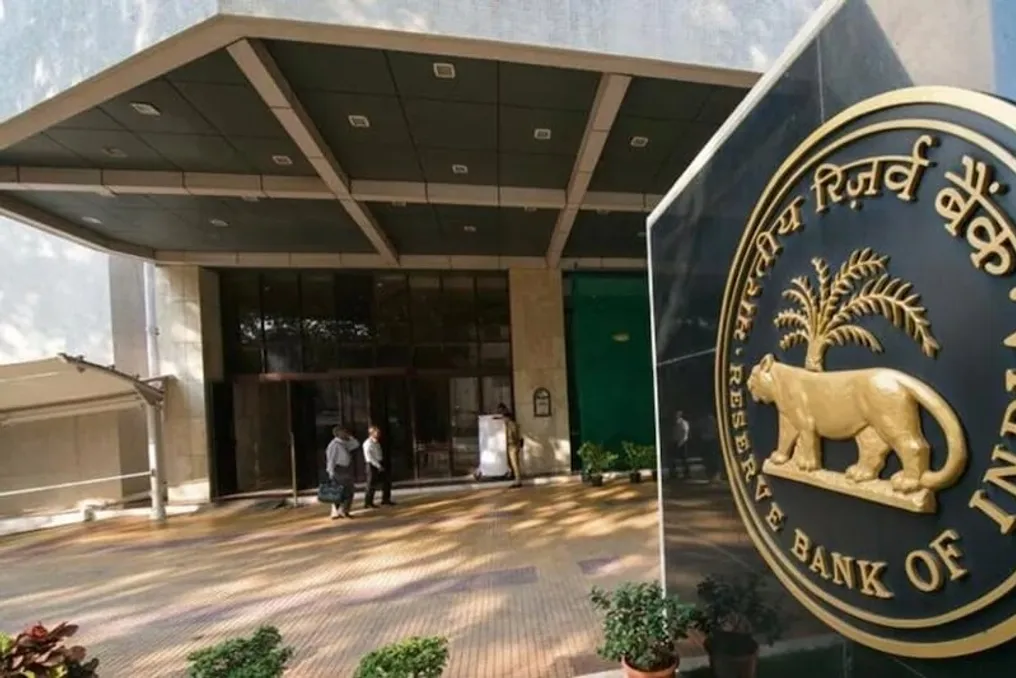
The Reserve Bank of India (RBI) has announced several measures aimed at supporting the rupee. Specifically, the RBI is opening a special channel to meet the daily dollar requirements of three state-owned oil marketing companies (OMCs). Furthermore, measures have been introduced to prevent speculation, manage reserve risks, and hedge currency risks.
According to an RBI statement, dollars will be sold to companies such as Indian Oil Corporation (IOCL), Hindustan Petroleum Corporation (HPCL), and Bharat Petroleum Corporation (BPCL). This system will come into effect on Monday, October 12, 2026, and will remain in force until further notice.
Under this scheme, the RBI will provide dollars to the three state-owned oil companies through designated banks. The objective of this measure is to ensure that the companies can cover their daily foreign exchange needs for conducting operations.
These steps are being taken during a period when the rupee remains close to historically low levels against the US dollar, despite intervention by the central bank in the forex market and interest rate hikes. On Friday, the rupee closed at 96.73 rupees per dollar, close to the lowest level in history recorded in May at 96.96 rupees.
The central bank announced this measure after assessing the current market situation. Although it did not specify how long this service would last, it was stated that it would continue until further information is received. As part of this special arrangement, a channel for receiving dollars through the banking system has been created for all three oil companies. The RBI did not disclose the volume of foreign currency that will be supplied under this system, nor did it provide details on individual transaction limits.
Oil marketing companies require US dollars to import crude oil and pay other overseas expenses. Since international crude oil trade is mainly conducted in dollars, fluctuations in the rupee-dollar exchange rate can affect import costs and the financial needs of the companies.
The central bank has reduced the limit for certain foreign currency derivative transactions from $100 million to $5 million. This revised limit also applies to recognized stock exchanges when trading rupee-related currency derivatives. This step aims to ensure that large derivative positions, such as those for import payments or export support, are not primarily used for speculative purposes.
The RBI has introduced a Foreign Exchange Risk Reserve (FEARR) requirement for relevant foreign currency derivative contracts with a notional value exceeding $20 lakh. Registered dealers must hold a cash reserve with the RBI equivalent to 20% of the rupee value of each relevant transaction. This requirement applies to contracts used for hedging current account risks when users purchase foreign currency against the rupee.
Registered dealers are now obliged to obtain and keep a written undertaking from users entering into foreign currency forward contracts. This document must confirm that the same risk is not being hedged through another dealer. This requirement is intended to prevent double hedging of the same risk and improve market integrity.
Will these measures stop the rupee's decline?
These measures may reduce speculative demand for the dollar and ease short-term volatility. However, this will depend on a wide range of factors, including crude oil prices, foreign investment flows, and global dollar activity. It is important to note that India's foreign reserves decreased by $12.95 billion during the week ending October 2, reaching $734.60 billion, marking the fourth consecutive weekly decline.