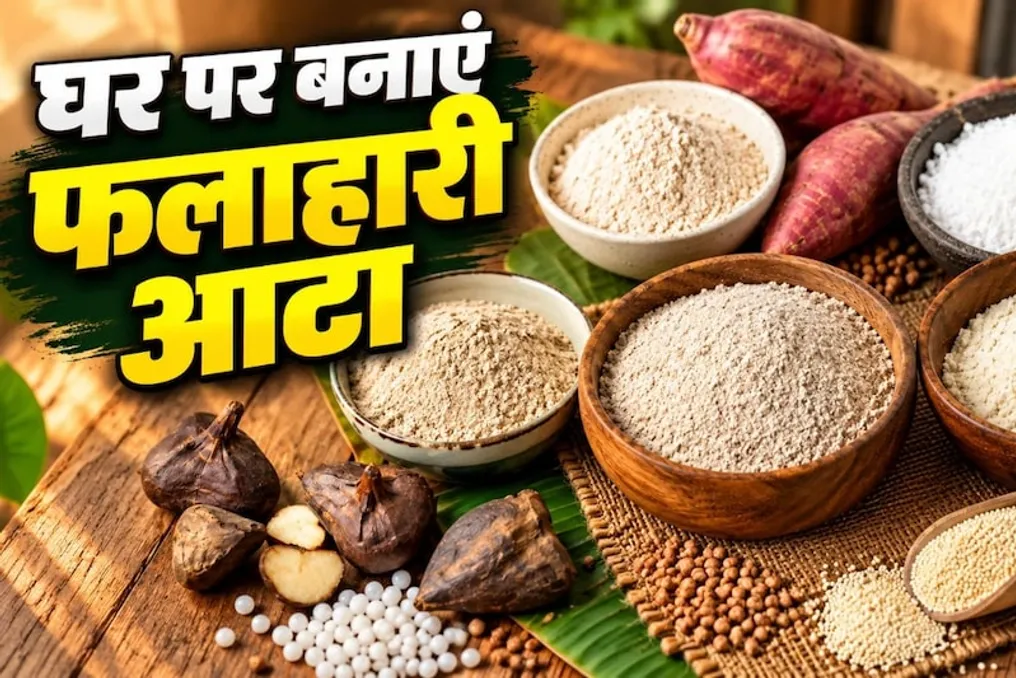
For preparing dishes during fasts, such as Navratri, it is not necessary to buy flour from stores. You can prepare five different types of Phalidhari Atta yourself using kutta, sabudana, sweet potato, rajgira, and singadu.
During the nine-day Navratri fast, people often purchase various types of Phalidhari flour, including kutta, singadu, and rajgira. However, with a little effort, you can prepare clean and fresh flour at home. It is important to follow certain rules during preparation. This article presents a simple way to make fasting flour from kutta, sabudana, sweet potato, rajgira, and singadu. The finished flour should be stored in clean and airtight containers for later use.
Preparing flour from kutta
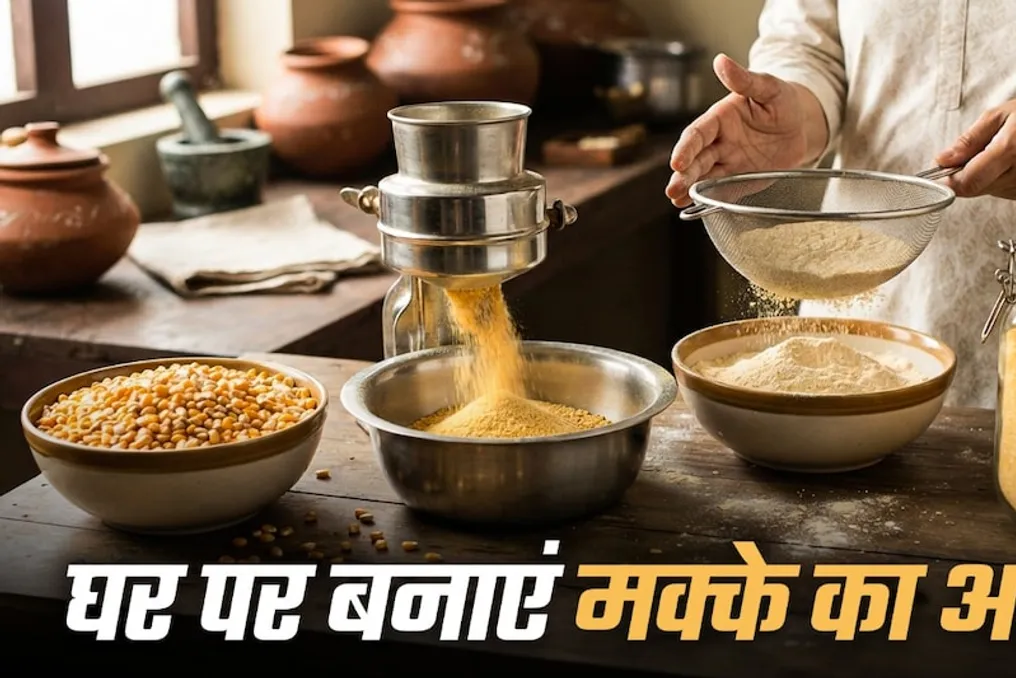
First, you need to thoroughly clean the kutta grains from stones and other impurities. If the grains are washed, they must be completely dried. Then, the kutta grains are lightly roasted in a dry pan over medium heat for 3–5 minutes, ensuring they do not burn, as this can alter the taste. Alternatively, grains can be used without prior roasting.
After cooling, the grains are ground in a blender and then sifted through a fine sieve. If larger particles remain, they should be ground and sifted again. The finished flour should be placed in a clean and dry airtight jar. This flour can be used to make flatbreads, pies, parathas, and cheppi.
Preparing flour from singadu
To make singadu flour, first, the skin must be removed from raw singadu and thoroughly washed. Then, they are cut into small pieces and spread on a clean plate or tray to dry in the sun until completely hardened. It is important that no moisture remains in them, otherwise, the flour may spoil quickly.
When the singadu pieces are completely dry, they are cooled and ground in a blender. The resulting powder is sifted through a fine sieve. If large fragments remain, they are ground and sifted again. The finished flour should be stored in a clean and dry airtight container. From it, dishes such as pies, halwa, parathas, and chila can be made.
Preparing flour from sabudana
To obtain sabudana flour, first, a dry pan is heated over medium heat, and sabudana is added and roasted for 5–10 minutes. It is necessary to stir constantly so that the sabudana does not burn. When the grains are well dried, turn off the gas and let them cool completely.
Then, the sabudana is ground in a blender and sifted through a sieve. If larger particles remain, they should be ground again. The finished flour must be stored in an airtight jar. This flour is suitable for making chila, halwa, and other fasting dishes.
Preparing flour from sweet potato
To prepare sweet potato flour, first, the sweet potato is thoroughly washed and peeled, then cut into thin and small pieces. These pieces are spread on a clean plate or tray and left to dry in the sun. If there is no sun, an oven can be used at a low temperature. It is extremely important that no moisture remains in the sweet potato pieces.
After the sweet potato is completely dry, it is cooled and ground in a blender. The resulting powder is sifted through a sieve and placed in a clean, dry, and airtight container. Sweet potato flour can be used to make chila, flatbreads, and other fasting dishes.
Preparing flour from rajgira
To make rajgira flour, first, the grains are thoroughly cleaned. Then, the rajgira is heated and roasted in a dry pan over medium heat for 3–5 minutes, stirring constantly so that they do not burn. After this, the rajgira is placed on a plate and allowed to cool completely.
Next, the rajgira is ground in the blender in batches. The flour is sifted through a fine sieve, and any remaining large particles are ground again. The finished powder should be stored in an airtight container. Flour from rajgira can be used to make flatbreads, parathas, chila, and pies.