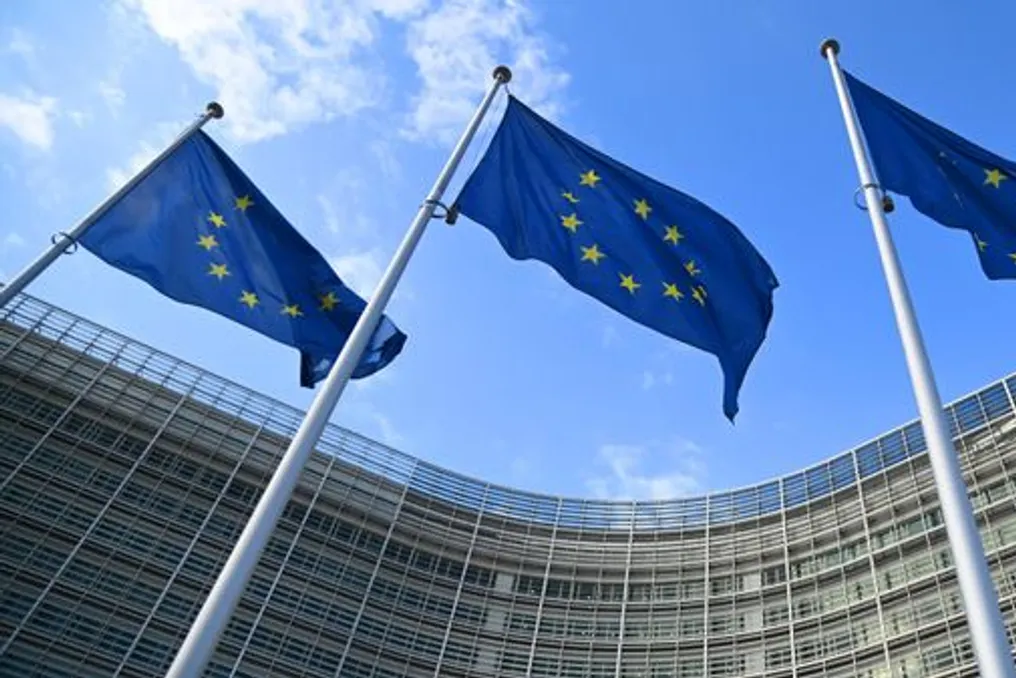
According to the Spanish publication El-Pais, the European Union is studying the possibility of creating a separate structure to confiscate frozen Russian assets for transfer to Ukraine.
This approach would allow Belgium to be relieved of responsibility for sovereign assets confiscated within the EU, distributing this responsibility among all member states of the Union. The European Commission is considering the potential of establishing a special European mechanism or structure for these funds.
Reports indicate that Brussels seeks to avoid legal risks and claims associated with storing these funds in the Euroclear depository in Belgium. High-ranking officials in Brussels explain that this proposal is similar to the 'bad bank' concept: the risks related to the assets and their initial confiscation are removed from Euroclear, thereby freeing Belgium from issues related to this situation.
The source emphasized that after these funds transition under the supervision of the new EU structure, they could be used to finance Ukraine, and the risk of claims from Russia would be distributed among the EU member states.
El-Pais notes that the increased discussions about transferring frozen assets to Ukraine are linked to Kyiv's growing demands that its Western partners cannot meet independently. However, the publication concludes that there is no agreement on who will cover losses if Russia files a lawsuit regarding the use of frozen Russian assets among the 27 countries.
Another report by the UAE Euractiv states that over 120 Members of the European Parliament supporting pro-Ukrainian policies have been pressuring the EU leadership since September 10th, calling for the resumption of discussions on confiscating frozen Russian sovereign assets to finance Ukraine.
Since the start of the special military operation, Ukraine, the European Union, and the G7 countries have frozen nearly half of Russia's foreign currency reserves held in the EU and the Asia-Pacific region. This amount is estimated at approximately 300 billion euros. About 200 billion euros are stored in Euroclear accounts in Belgium, which is one of the world's largest clearing and settlement systems. The EU is discussing ways to use these frozen assets to support Ukraine's recovery.
The Kremlin has stated that adopting such decisions would be another step towards violating all norms and rules of international law. The Ministry of Foreign Affairs called the freezing of Russian assets in Europe theft and stressed that the EU is targeting not only private funds but also Russia's state assets.
Later, Foreign Minister Sergey Lavrov added that Moscow would respond if the confiscation of frozen Russian assets occurred in the West. He also noted that Russia has the right not to return funds that were frozen in response to the confiscation of Russia's state reserves held in Western countries.