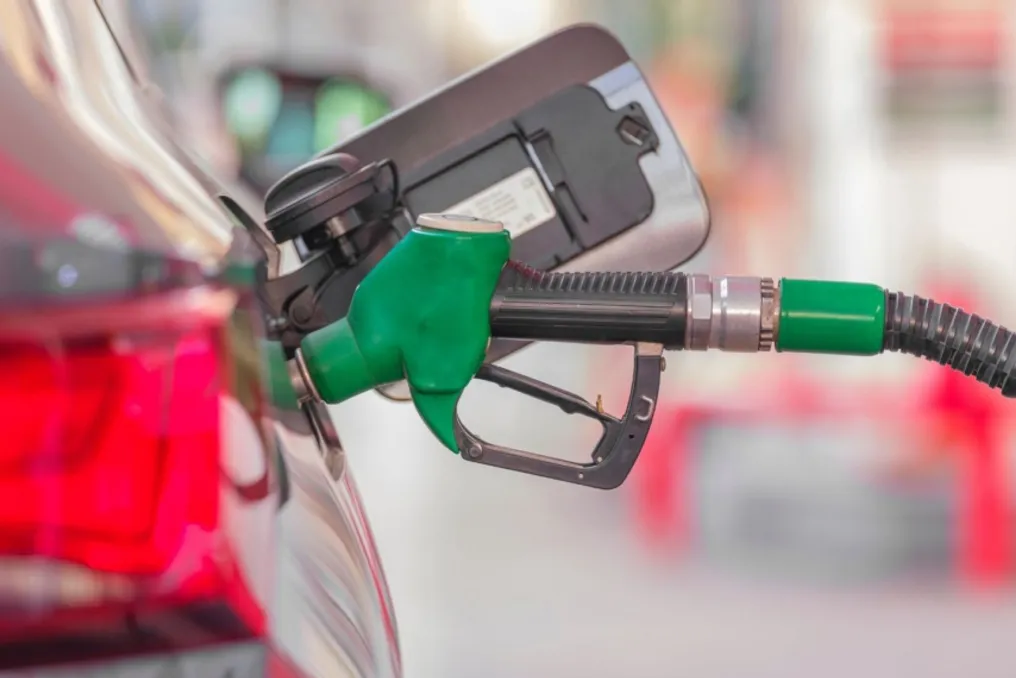
Inflation in fuel and electricity prices has been putting constant pressure on consumers since March/April 2026, according to an August report by the Food and Agricultural Policy Fund (BFAP). This increase is largely due to a global energy price shock, as well as an 8.7% increase in the electricity tariff starting April 1, 2026, which has led to year-on-year growth in electricity prices.
Pressure on food prices is intensifying because it raises operating costs throughout the food and agricultural production chain, potentially leading to overall inflation. Although monthly fuel inflation decreased in August due to the strengthening of the rand against the dollar, this occurred amid persistently high international oil prices caused by supply disruptions linked to unresolved geopolitical tensions. Recent forecasts from the Central Energy Fund indicate insufficient recovery in gasoline and diesel fuel prices by October.
According to the report, the movement in commodity food prices is expected to remain relatively moderate in the coming months. Meat prices are likely to continue falling as vaccination campaigns against animal diseases such as foot-and-mouth disease and avian influenza progress, along with increased livestock slaughter activity.
At the same time, the forecasted super El Niño cycle could negatively affect crop yields, leading to reduced summer crop production in 2027 and potentially exerting upward pressure on food prices in the medium term. However, BFAP noted that large reserves accumulated after two previous seasons of abundant harvests may provide some buffer against these potential price risks.
Maize farmer Pulane Masegoni from Denilton in Mpumalanga reported that farming has become extremely difficult due to the general rise in all expenses. She emphasized that consumers are severely affected by the situation, and farmers are trying to absorb the pressure as much as possible. However, she stated that it is now impossible to absorb all these costs.
Pulane Masegoni added that the situation at the primary level looks unfavorable: gasoline prices are rising, the weather is not favorable, and combating pests in crops presents another problem. Despite her love for her work, she is slowly losing faith in the ability to continue operating due to unaffordable operational costs.