Popular Hairstyles Among Generation Z: From Blunt Cut to Wolf Cut
Read more
Aaj Tak
www.aajtak.in

Popular Hairstyles Among Generation Z: From Blunt Cut to Wolf Cut

Generation Z is characterized by actively following and readily participating in trends, constantly experimenting with both clothing and hairstyles, using them as a means of self-expression.

Currently, there is significant interest among members of Generation Z in several fashionable haircuts.

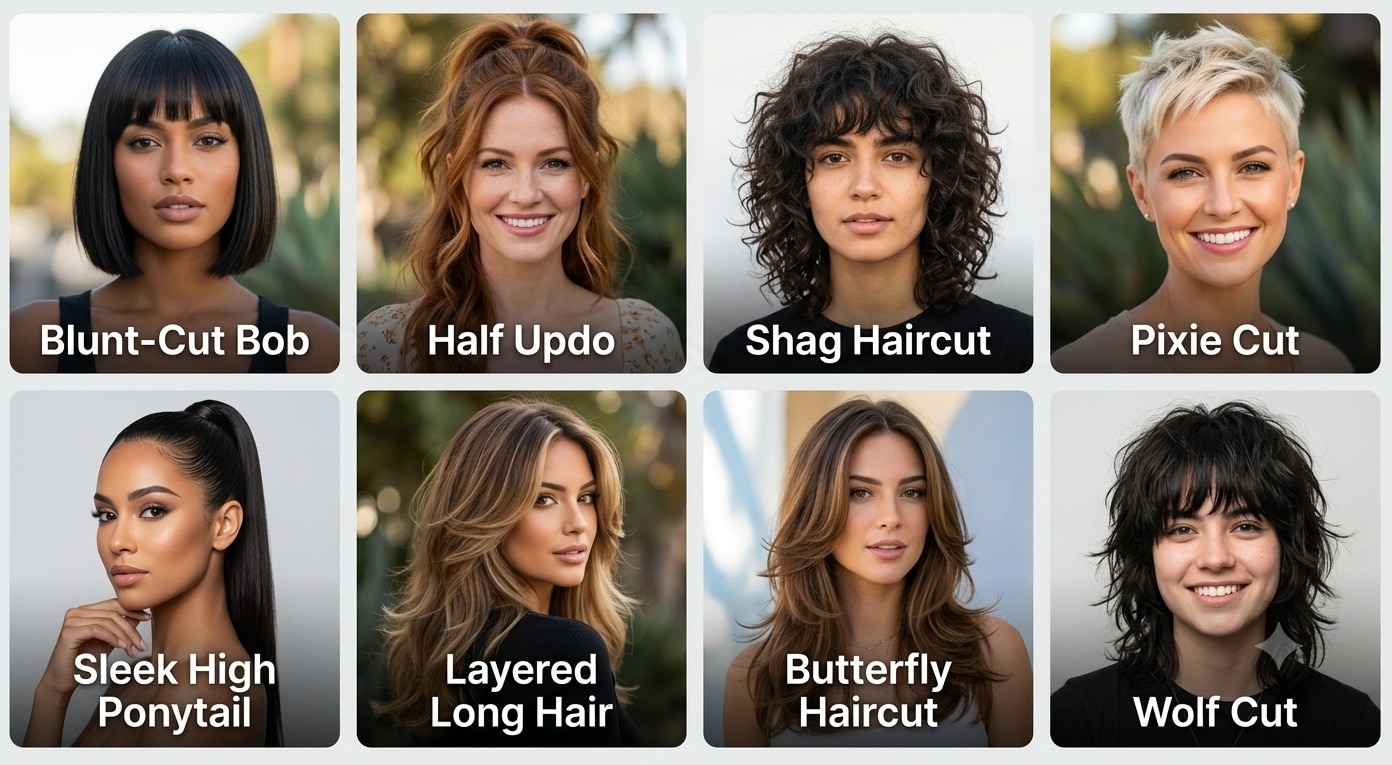
Blunt-Cut Bob is a short, straight haircut where the bottom part of the hair is cut to one length without many layers. This makes the hair look thick and voluminous, giving the look a simple, clean, and stylish appearance. This cut looks good on both straight and slightly wavy hair.

Half Updo is a style where the top part of the hair is gathered back or up, leaving the rest down. It is an intermediate option between a fully updo and loose hair. It can be complemented with a ponytail, clip, or ribbon, and it suits both casual and evening looks.

Shag Haircut is achieved by cutting the hair into many layers of different lengths. The top part of the hairstyle has more volume, while the lower layers remain light and tousled. This style gives the hair a natural and slightly messy look, suitable for those who desire volume and a relaxed mood.

Pixie Cut is a very short haircut where the sides and back are kept short, and the top can be slightly longer. It visually makes the face clearer and more expressive and does not require complex styling. This cut is popular among lovers of a short, simple, and bold style.

Sleek High Ponytail implies a tight hairstyle high on the head while maintaining smoothness and straightness. This look appears neat and well-groomed because there is little hair around the face. This hairstyle can give an office, festive, or special occasion a stylish and smart look.

Layered Long Hair suggests cutting long hair into layers of various lengths. This gives the hair light movement and volume, preventing it from looking flat. The layers can be chosen according to the face shape, and this haircut will suit those who want to keep their length but add variation to it.

Butterfly Haircut is designed for long hair and is characterized by having short layers near the face and longer layers at the back. The front layers frame the face, while the back ones remain long, creating an effect of greater volume and lift. This is a good choice for those who want to refresh their look without shortening their hair.

Wolf Cut is a combination of shag and mullet elements. It is distinguished by short and numerous layers on top, while the lower part of the hair remains longer. This gives the hair volume and a messy look, appearing very cool and bold, and is highly popular among Generation Z on social media.

Overall, for Generation Z, a haircut is no longer just a way to change hair length; it has become a tool for demonstrating appearance and individuality. Whether it's the simple and clean look of a blunt-cut bob, or the bold look of a wolf cut and shag, every haircut carries a unique style statement. This is why Generation Z is not afraid to try new fashion trends and constantly experiment with their appearance.
Similar stories

Essential Wardrobe Elements for Generation Z: From Boho Style to Y2K Fashion
Read more
www.aajtak.in

Essential Wardrobe Elements for Generation Z: From Boho Style to Y2K Fashion

Gen Z fashion today is not limited to a single style; they enjoy experimenting with every trend, sometimes reviving old directions and sometimes combining traditional clothing with a modern approach. For a wardrobe to match Gen Z style, it must include certain items and stylistic elements.

Wide-leg jeans

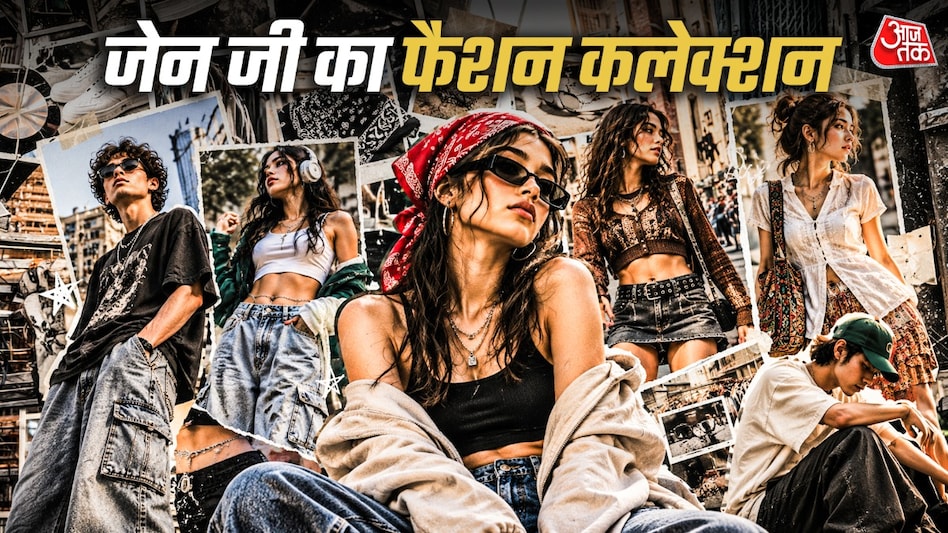
Wide-leg jeans are an integral part of Gen Z's daily life and are considered an almost mandatory wardrobe item. Their main feature is the comfortable and loose fit, which allows them to be worn for long periods. Wide-leg jeans can be paired with crop tops, small t-shirts, oversized shirts, or skirts, and with sneakers and small bags, they create a casual everyday look.

Y2K Fashion

Y2K fashion, referring to the period around the year 2000, is very popular among Gen Z. This style includes mini-tops, low-rise jeans, small bags, colored glasses, and bright accessories. Although this fashion incorporates old trends, Gen Z prefers to wear them in a modern interpretation. This is why this style is often seen on social media and is highly sought after by influencers.

90s Vintage

90s fashion has also made a comeback among Gen Z. Elements of this style include loose jeans, graphic t-shirts, denim jackets, small sunglasses, and sneakers. Instead of wearing this clothing exactly as it was in the past, Gen Z adds modern elements, allowing them to create a new and unique look from old pieces.

Boho Style

Boho style is also frequently seen in Gen Z fashion. Its distinguishing features are printed skirts, flowy skirts, long necklaces, earrings, and colorful outfits. Great attention is paid to accessories, which gives the whole look a more relaxed and open appearance. Gen Z particularly loves this style during trips, vacations, or music events.

Mini skirts represent a good combination of traditional and modern Gen Z fashion, also known as Indo-Western style. They easily give a new look when combined with wide-leg jeans, skirts, or palazzo pants. Short skirts are also an important part of Gen Z's wardrobe. Pairing a short skirt with an oversized shirt, crop top, and sneakers looks very relaxed and comfortable. Gen Z likes to style crop tops in various ways: sometimes with wide-leg jeans and cargo pants, and sometimes with skirts or shorts, thereby changing their look.

The oversized shirt is also very versatile. It can be worn unbuttoned or used as a layer over a t-shirt, creating many different looks. Furthermore, small accessories, such as a bandana, can completely change the entire look. Whether as a hair tie, a neck decoration, or an element for a bag, a bandana brings a special charm to ordinary clothing.

Reasons Why Generation Z Calls Different Life Stages an 'Era'
Read more
www.aajtak.in

Reasons Why Generation Z Calls Different Life Stages an 'Era'

Social media has changed not only how people communicate and follow trends but also their approach to self-perception and self-expression. Today, people have started assigning special names to specific aspects of their lives, moods, or lifestyles.

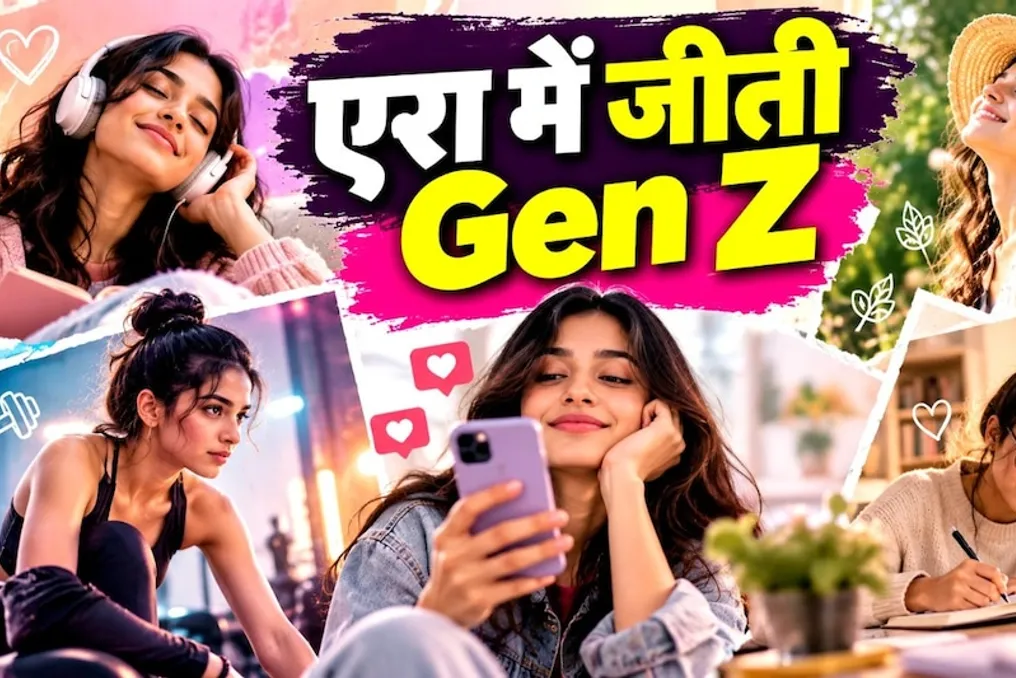
In the digital language of Generation Z, the term 'era' is part of this trend. Some are in a 'soft girl era,' others in a 'healing era,' a 'fitness era,' or a 'self-love era.' Thus, any new stage of life can become a new 'era.'

What does 'era' mean?

Simply put, 'era' is used to denote a specific period or phase in a person's life. Whatever currently holds the most significance in your life can be called your 'era.' For example, if a person focuses on their health and physical shape, they might jokingly or casually call themselves someone in a 'fitness era.' Similarly, after a breakup, a person focused on themselves might call their life a 'healing era.'

Why has the 'soft girl era' become popular?

'Soft girl era' is a prime example of this phenomenon. It is not just a trend related to clothing or makeup. It includes elements such as softness, self-care, comfort, and prioritizing one's own happiness. An academic article published in 2025 examined the 'soft girl era' as a lifestyle trend emphasizing comfort, healing, and joy.

A distinct visual image has formed on social media, including pastel tones, soft makeup, journaling, self-care, and a calm lifestyle. Although the 'soft girl' trend did not start solely in this form, over time its meaning has expanded from fashion to lifestyle and personal choice.

Why name every stage?

For Generation Z, 'era' is not just a fashionable word but a form of self-expression. It allows describing a long period or mood with a single short word. A phrase like 'I am currently in my healing era' often seems simpler and more suitable for social media than telling the whole story. According to a report presented at the Meta and Instagram trend walk in 2024, interest among Indian Gen Z in personal growth and self-improvement was noticeable. Specifically, 43% of Indian Gen Z expressed hope for creating a 'self-improvement era.'

Thus, 'era' has ceased to be just an internet trend. It has transformed into a method of naming, recognizing, and expressing one's story across various life stages on social media. Sometimes it is related to fashion and lifestyle, and sometimes to personal growth and self-care. However, the question remains: why does Generation Z enjoy calling every new stage of their life a new 'era'?

Popular