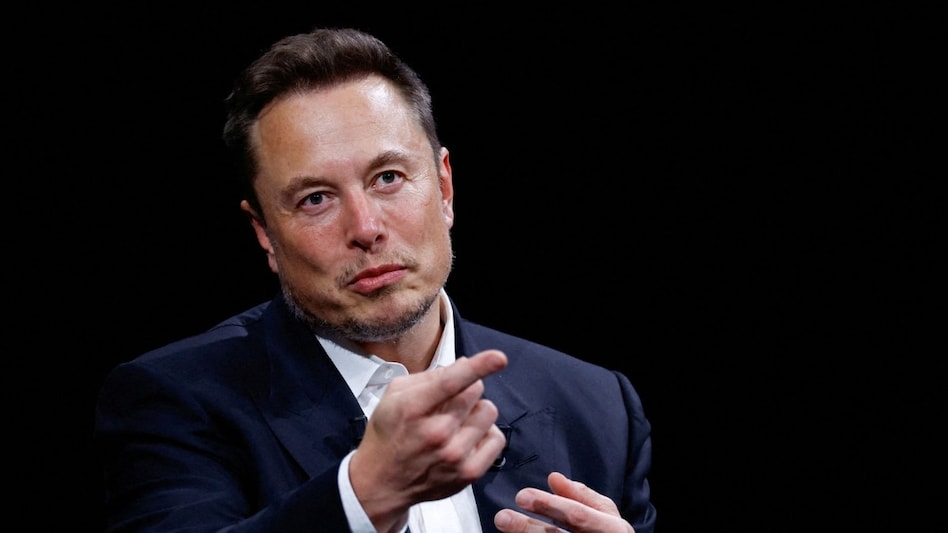
The issue of Starlink licensing continues in India. Elon Musk, head of the satellite company Starlink, expressed his dissatisfaction with the lack of approval in India and made several serious accusations.
This raised the question of why Musk is not expressing similar dissatisfaction in China, where Starlink is also banned. This question was posed on the platform X by Rajiv Malhotra, a researcher and author of Indian origin.
Musk, one of the world's wealthiest individuals, has invested significant funds in Tesla's business in China, yet the Starlink service has not yet received permission there.
In his post on X, Rajiv Malhotra asked: 'Elon, why hasn't Starlink received permission in China? Could some Chinese industrialist (oligarch) be behind this? You have invested heavily in Tesla in China, but the Starlink service is blocked there.'
Earlier, on Wednesday, a post circulated on social media claiming that Musk accused 'oligarchs' (influential industrialists) of obstructing the launch of the Starlink service in India, although he did not name names.
Following this, Musk criticized Mukesh Ambani, Chairman of Reliance Industries, questioning his status as India's 'chief boss'. After Musk's post was published, Congress politician Rahul Gandhi also posted a comment on the X platform.
Malhotra explained that the Starlink problem goes beyond technology and service quality; it is also related to national sovereignty. He noted that there are many reasons for this delay.
The Indian government also responded to Musk's statements. It stated that rules in India are the same for everyone and do not allow discrimination. It was clarified that licenses for satellite communication have been issued to three companies, and all must undergo a security vetting process while awaiting final approval.
The government mentioned the three companies granted licenses: Elon Musk's Starlink, Reliance Jio satellite communication, and Eutelsat OneWeb, supported by the Bharti group.