India's Telecommunications Minister Jithiraditya Skandhia refuted claims by SpaceX CEO Elon Musk that India is delaying the issuance of satellite broadband licenses in favor of existing players. Skandhia emphasized that the government does not permit monopolies in any sector and has granted permissions to all three companies that applied.
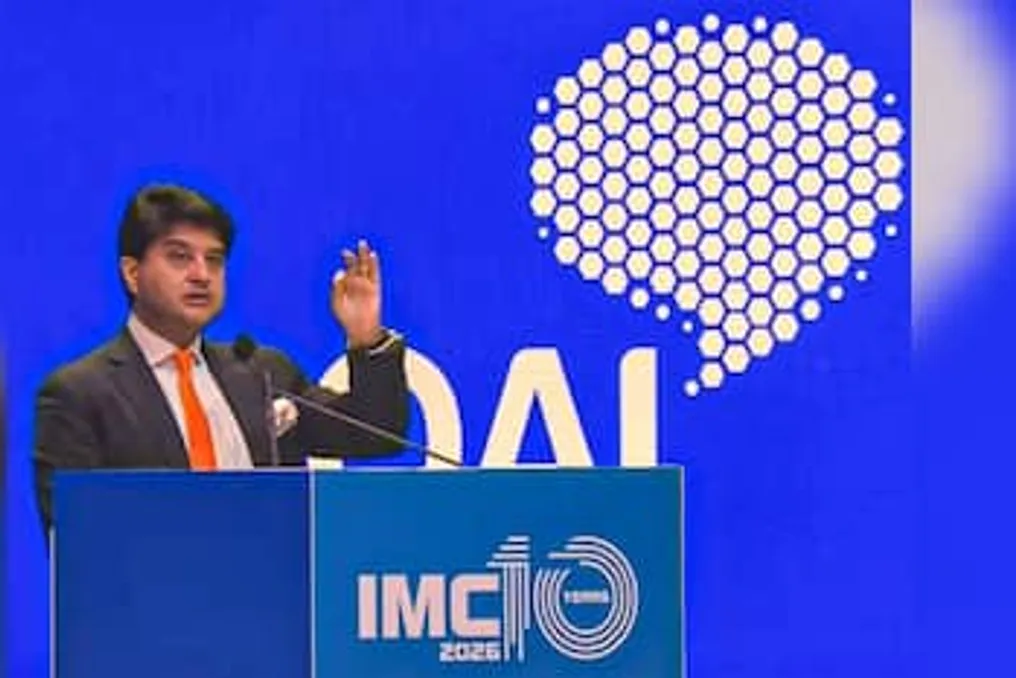
During a press briefing at the Indian Mobile Congress on Friday, Skandhia stated that 'India does not allow monopolies in any sector,' and that no preferences were given to any participant, even in the field of satellite communication. Licenses have been obtained by Reliance Jio, Eutelsat OneWeb, supported by the Bharti group, and Starlink from SpaceX. He also noted that Amazon Leo, formerly known as Project Kuiper, which is also considering entering the Indian market, must follow the established procedure for obtaining authorization.
The government, according to Skandhia, is discussing satellite spectrum pricing with the Telecom Regulatory Authority of India (TRAI). Providers will be able to start offering services after finalizing a revenue-based charging structure and fulfilling necessary security requirements by each company. The Ministry of Home Affairs is responsible for assessing compliance with security requirements and issuing permits. The government aims to ensure consumers have access to diverse services and the ability to choose their preferred provider.
Skandhia particularly stressed that the Department of Telecommunications is 'technologically neutral' regarding internet service providers, telecom operators, and broadband access infrastructure.
Musk's Accusations on Social Media
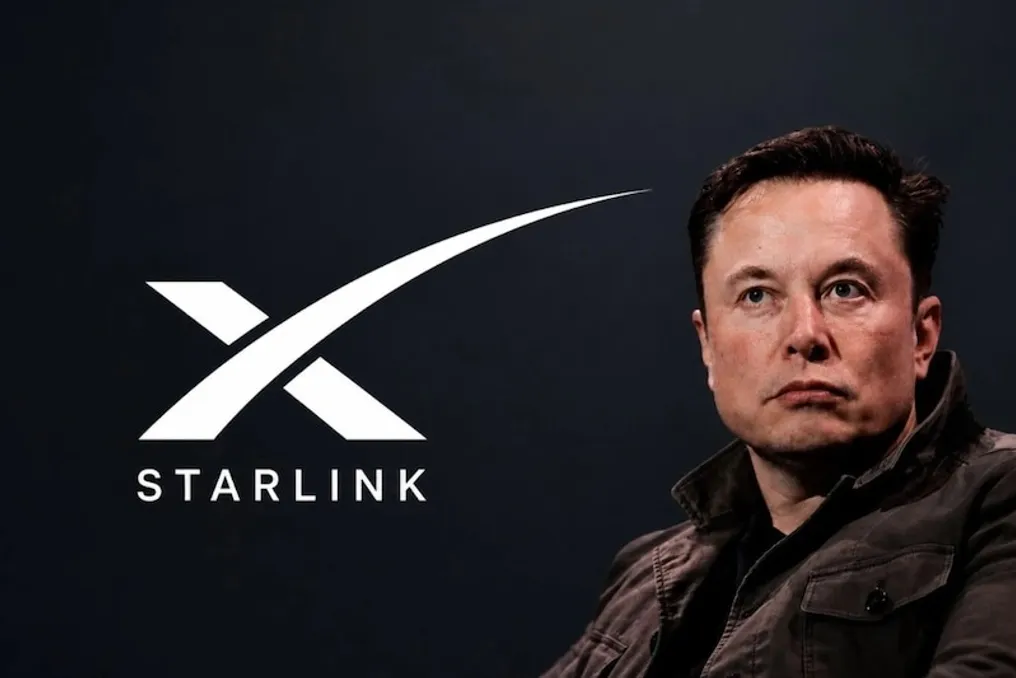
Skandhia's statements came amid a public dispute over satellite broadband licensing. This followed Musk accusing 'certain oligarchs' of blocking Starlink to maintain their 'monopolistic control over the Indian people' in an X post late Thursday. Later, on Thursday, Musk posted on X, the platform he owns, that Starlink is licensed in over 165 countries and spent five years complying with Indian government laws and requirements, questioning why it still lacks an operating license, and asking if Mukesh Ambani, Chairman of Reliance Industries, is the 'real boss of India.'
The government also rejected these accusations on Thursday, stating that all satellite broadband providers must meet security requirements before commencing operations in India. The Ministry of Communications characterized the country's authorization system for telecom and satellite services as 'fair and non-discriminatory' and called assumptions about selective application 'unfounded and erroneous.'
Responding to opposition criticism, Skandhia stated on Friday that the opposition is inconsistent in its stance on satellite licensing. He noted that the Congress initially opposed 'the licensing of a specific individual' but now supports this player, questioning the delays.
Spectrum Auctions Depend on Demand
Skandhia announced that the government will conduct the next spectrum auction when operators require additional radio waves, rather than setting deadlines within the current fiscal year. He added that a significant volume of spectrum has already been allocated during the 5G auction and subsequent rounds. Future auctions will depend on the demand and required spectrum bands for 5G Standalone (SA) and 6G networks. The government will monitor demand before deciding when to hold an additional spectrum auction.
Regarding direct-to-device technology, Skandhia clarified that the government has created a regulatory framework, leaving the implementation timeline to private companies based on market dynamics.
Furthermore, Skandhia mentioned that the upcoming telecom zone in Gwalior, Madhya Pradesh, has received commitments from about 30 companies and one startup to build facilities with investments ranging from 5,500 to 6,000 crore rupees, which will provide around 18,000 jobs. The first phase will cover 170 acres, and another 400 acres are being considered for allocation to companies. The government has allocated 493 crore rupees as capital for project implementation, and the foundation stone laying ceremony is expected before the end of October.