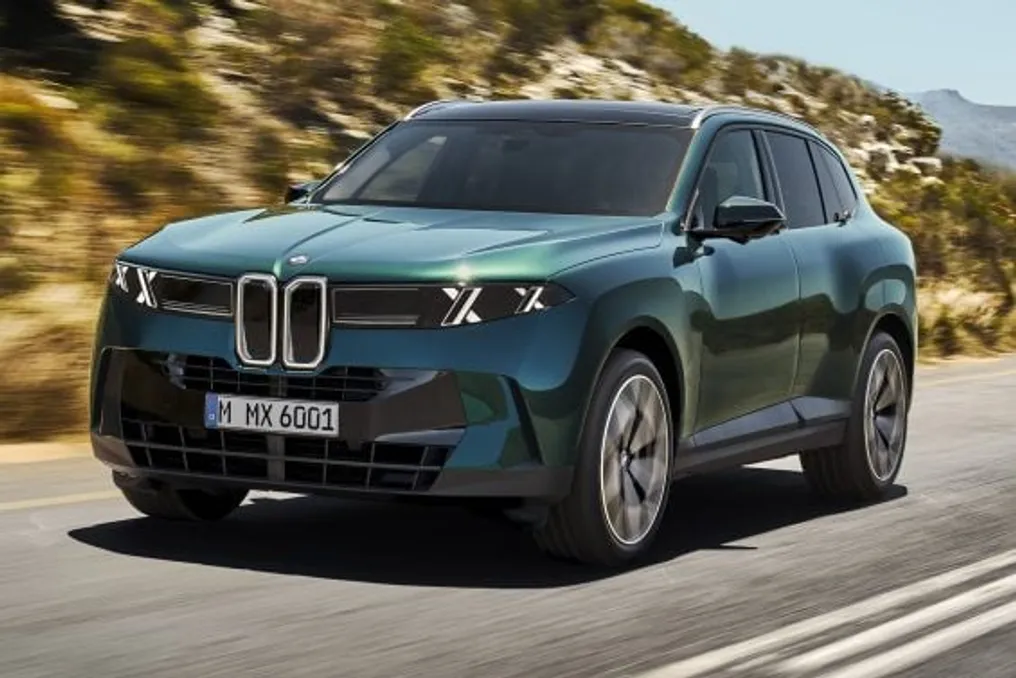
A study conducted in the United States, commissioned by the BMW Group, revealed that Americans desire electric cars to have significantly greater range than what is used in their daily lives.
According to the survey, 73% of participants stated that a range of up to 120 km would be sufficient for their usual commutes. However, a larger portion shows higher demands: 42% would only consider an electric vehicle if it offered a minimum range of 480 km, while 18% seek models with 640 km or more.
The survey was conducted by the institute Big Village, involving 1,005 adults between September 11 and 13. For 72% of respondents, minimum range is a determining factor in the purchase decision. Furthermore, the financial aspect also influences; 51% cited the initial acquisition cost as a barrier to technology adoption.
On the other hand, the savings generated from use and maintenance are the main attraction for choosing an electric vehicle, mentioned by 27% of respondents. Additionally, 55% of respondents would be willing to purchase a certified used or pre-owned model if there were substantial savings.
Alexander Schleicher, responsible for electric mobility at the BMW Group in North America, commented that consumers have begun judging electric vehicles by the same criteria applied to other automobiles: performance, equipment, and cost-benefit ratio, surpassing old views on the need for great range.
The speed of recharging also impacts purchase intent. The survey showed that 53% of respondents would be more likely to consider an electric vehicle that can recover about 240 km of range in just 10 minutes. This figure rises to 70% among Generation Z youth, but drops to 30% among baby boomers, born between 1946 and 1964.
Regarding charging stop time, 55% find it acceptable to wait up to 30 minutes, compared to 48% recorded in a previous study by Mini, a brand belonging to the group.
Perceptions about who the buyers are have also changed. The proportion of respondents who associate electric car owners with technology pioneers decreased from 62% in 2025 to 56% this year. Despite this, 68% declared they would consider buying an electric car. In a different context, a PwC consultancy study in Brazil indicated that 75% of Brazilians plan to acquire an electric model by 2030.