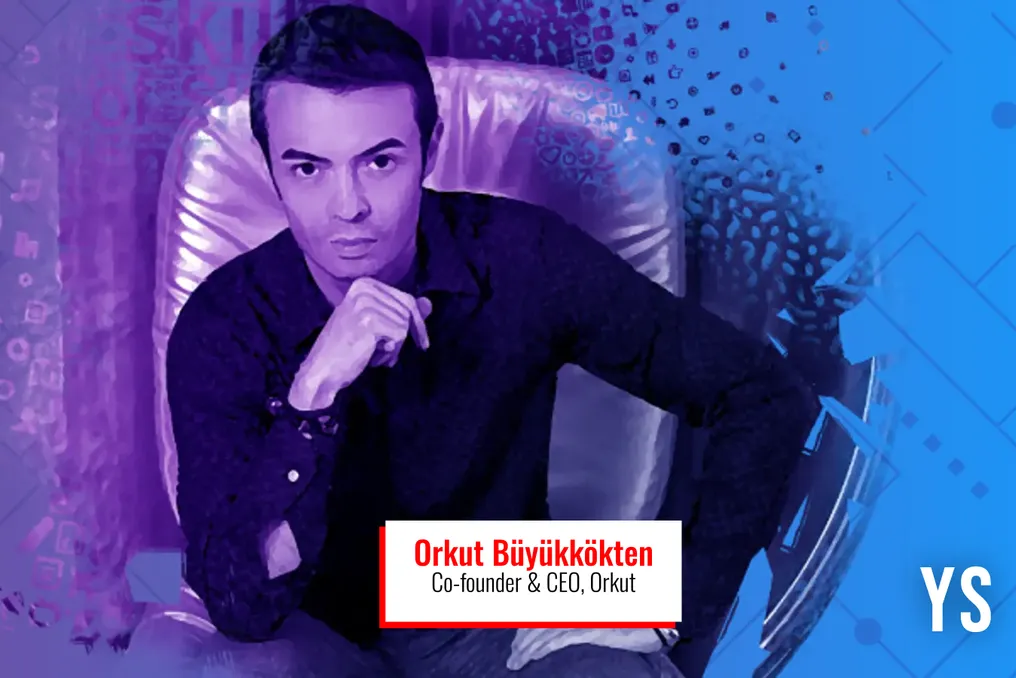
Orkut Büyükkökten, the developer of the orkut.com platform, is attempting to bring this iconic social network back to life, which introduced many people to the concept of social networking. He stated on the social network X that the internet should facilitate finding people, friendship, community, and a sense of belonging, calling for help in restoring Orkut in the same spirit.
Büyükkökten, who has created four different social platforms, the last being Hello.com, now hopes to resurrect Orkut. The entrepreneur called on users to sign their names on the Orkut website, effectively initiating a petition for a new social network focused on 'authentic people, real connection, and a genuine sense of belonging.'
As of October 9, the site had gathered over 270,000 signatures, with the majority coming from Brazil. Other countries whose citizens supported the initiative included Portugal, Ireland, and Paraguay.
Orkut was created by Büyükkökten as a side project while he was working at Google. The launch of the social network took place in January 2004, about two weeks before Facebook started. Until its closure in September 2014, Orkut was owned and managed by Google.
In 2008, Büyükkökten left the Orkut team to take a product manager position at Google. By that time, Facebook was actively expanding internationally, refining its design, privacy settings, and third-party application ecosystem. Meanwhile, Orkut reached an audience of over 300 million users worldwide and became an important part of internet culture in Brazil, India, and other regions.
However, according to Comscore audience data, Facebook surpassed Orkut in India in July 2010 and in Brazil in December 2011. Despite strong support in India and Brazil, Orkut failed to achieve comparable popularity in many Western markets, while Facebook continued to grow globally. The platform also faced serious security issues, including a worm that exploited the Scrapbook feature in 2007.
Concurrently, Google launched the Google+ social networking and identification service in June 2011. On June 30, 2014, Google announced the closure of Orkut on September 30, 2014, citing that YouTube, Blogger, and Google+ were growing faster. This decision reflected the company's strategic choice to redirect resources to its other social platforms.
