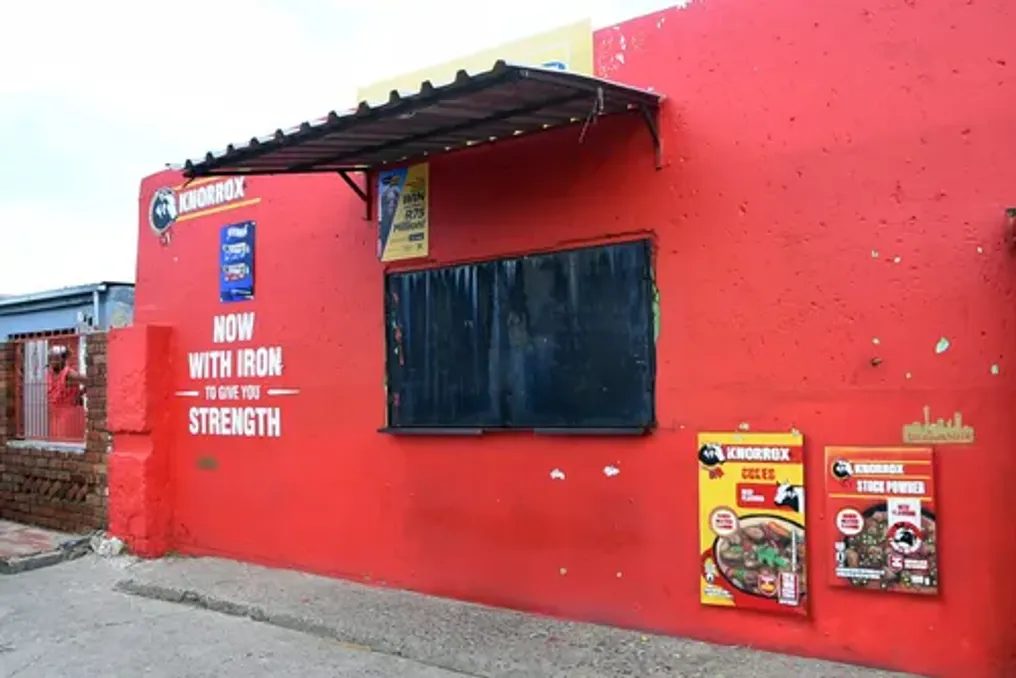
Fear grips Crossroads as shops close under extortion pressure
Read more
IOL
iol.co.za

Fear grips Crossroads as shops close under extortion pressure

Spaza shops in the Nyanga area are being forced to close due to increased gangsterism, with Crossroads being one of the most affected areas. Victims, in turn, are reluctant to report threats to the police.

A representative from the Nyanga Community Policing Forum (CPF), Bishop Dumisani Kwebe, stated that the victims' unwillingness to come forward hinders the fight against this problem. He noted that the Crossroads area is experiencing the greatest impact, and they are aware of similar reports.

According to Kwebe, one of the main obstacles is the silence of those affected, as people subjected to extortion do not report to the Nyanga police station. He characterized the extortion as a 'huge problem' but stated that steps are being taken to protect targeted businesses.

Kwebe also refuted claims that the police station refuses to help people after working hours, emphasizing that the station operates 24/7. On the other hand, a representative from SAPS West Cape, Sergeant Wesley Twigg, pointed to the quarterly publication of national crime statistics. He added that the police are regularly present on the ground, conducting daily patrols and visits to spaza shops, and strongly urges owners to report extortion-related crimes to the nearest police station for investigation.

A Nyanga resident, who wished to remain anonymous for fear of reprisal, shared that some spaza shops in Crossroads have already closed, which she learned from a neighbor. She speculated that the threats are spreading to other parts of Nyanga, and now shops and businesses are being targeted. The source reported that her local shop was shot at on Sunday evening around 9 PM, and she counted eight shots, although she was unsure if gangsters were behind it. She also mentioned that the shop on her street closed last week.

This resident shared that she now rarely goes to the shop late in the evening. Previously, she could go out after 7 PM to buy items like onions for cooking, but now she hesitates and turns back if she sees a parked car near the shop, stating: 'I still go to the shop. I just don't go after dark.'

Similar stories

Interior Department withdraws directive on asylum applications following Constitutional Court ruling
Read more
iol.co.za

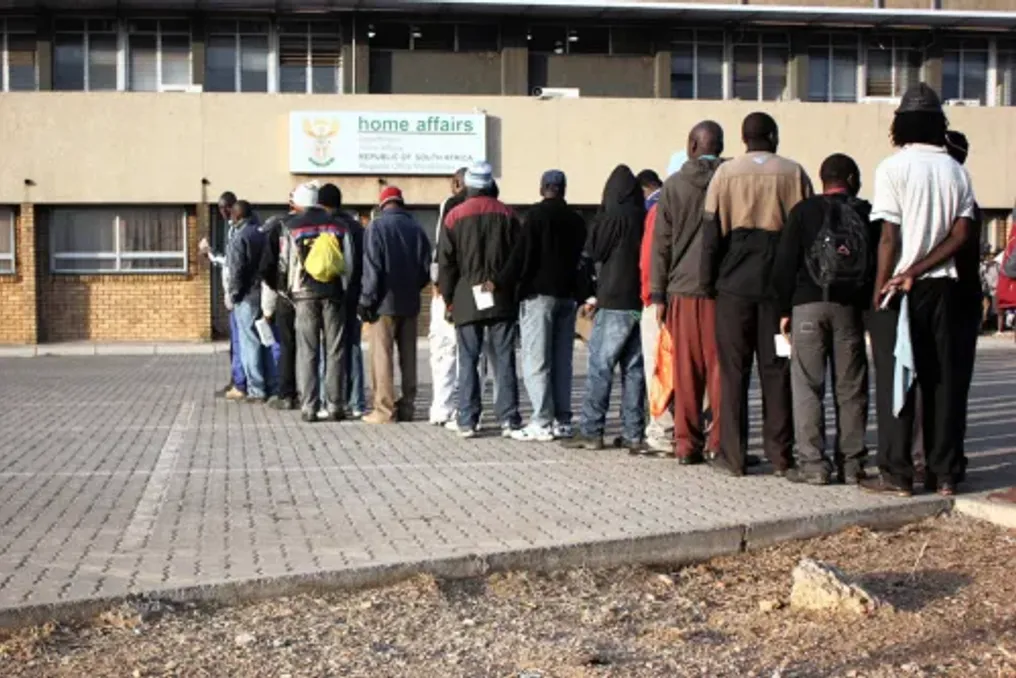
Interior Department withdraws directive on asylum applications following Constitutional Court ruling

The Director-General of the Interior Department has withdrawn a directive issued by his department on September 28 regarding the acceptance of asylum applications.

This decision followed a ruling by the Constitutional Court on July 7 in the case between the Scalabrini Centre in Cape Town and the Interior Department. This landmark decision, delivered by Judge Steven Majeddt, established that asylum seekers and their children cannot be entirely excluded from refugee status due to procedural shortcomings.

The judicial decision questioned the constitutionality of the current procedure regulated by the Refugee Act of 1998. According to this Act, asylum seekers are required to enter South Africa through a designated crossing point where they are issued a five-day transit visa. Furthermore, the Act requires asylum seekers to appear at the Refugee Reception Office (RRO) within five days.

Unrest occurred in the Soweto and Durban areas when angry residents clashed with foreign nationals, setting fire to vehicles and state infrastructure belonging to foreigners. These disturbances were a reaction to the directive issued by the Interior Department.

On Friday morning, the Interior Department announced that the initial directive was sent to all Refugee Reception Offices (Refugee RROs) as a purely operational measure intended to support the implementation of the Court's ruling without the knowledge of the Minister of the Interior.

In a statement, the Interior Department emphasized that claims of political motivation for the decision are categorically false, as the directive arose in connection with the Constitutional Court case against which the Department objected.

Moreover, the department acknowledged that its attempt to immediately implement the court ruling led to serious consequences that could not have been foreseen in the Court's ruling. These consequences include an overload of work at the RRO in the days following the issuance of the directive, threats to Department staff, and the emergence of serious threats to public safety and order.

As a further plan, the Department intends to begin a new process to determine the most suitable operational approach that ensures compliance with the Constitutional Court's ruling.

Benefits for guardians of adults with severe intellectual disabilities will be assigned automatically in Uzbekistan
Read more
podrobno.uz

Benefits for guardians of adults with severe intellectual disabilities will be assigned automatically in Uzbekistan

An updated regulation for providing benefits to guardians of adult individuals suffering from severe forms of intellectual disability has been approved in Uzbekistan. Now, the decision on granting this financial support will be made automatically.

The right to receive the benefit belongs to the official guardians of citizens who have reached the age of eighteen, provided they have the established corresponding diagnosis. This payment is intended directly for the person who officially cares for and looks after their adult ward.

The main innovation lies in changing the procedure for assigning the benefit. As soon as the necessary information is received, the decision to provide the payment will be generated automatically, which is intended to reduce the volume of individual administrative actions that guardians previously had to perform.

It was previously mentioned that the National Agency for Social Protection, together with the World Bank, held discussions regarding new criteria for determining social assistance. When assessing the level of need, it is planned to take into account not only the family's income level but also the presence of disability, chronic diseases, and the number of children, among other factors.

Popular