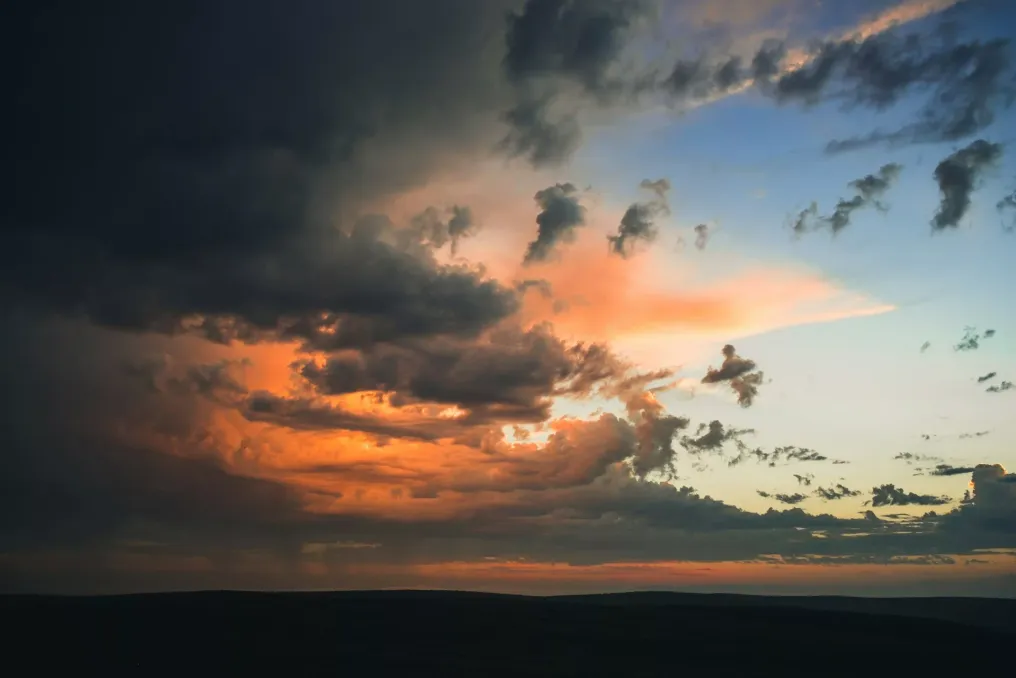
South Africa Travel Guide: How to Spend Time Without Planning Activities
Read more
Getaway
getaway.co.za

South Africa Travel Guide: How to Spend Time Without Planning Activities

In many places in South Africa, the surrounding environment itself is the main attraction. Here you can enjoy turquoise waters, quiet historic streets, vast desert horizons, and secluded spots by the river where you can watch what is happening around you for hours.

The essence of this approach is not a complete refusal of activities, but rather stopping the habit of filling every day with the maximum possible number of events. You need to choose a location, allocate free time slots in your schedule, and allow the best moments to happen naturally, without a rigid timetable.

Some vacations are best measured by the number of hours spent barefoot. For example, Benguerra Island, part of the Bazaruto Archipelago in Mozambique, is surrounded by the warm waters of the Indian Ocean, light sandy beaches, and a unique marine environment. Such a place encourages slowing down even before the tourist unpacks their bags.

This island is known for its beaches, protected bays, and opportunities for exploring the marine environment. While snorkeling, diving, and dhow excursions are available for those who want to hike, there is no need to fill every day with activities. A leisurely breakfast, a walk along the shore, and a midday rest in the shade will suffice.

The appeal of Benguerra lies in the ability to appreciate small details: the changing color of the water, the gentle breeze among the palms, and the sound of the ocean outside your accommodation. If you want to go somewhere, it is better to choose one activity rather than booking different excursions for every morning.

Benguerra is also ideal for travelers for whom the stay itself is part of the experience. It is important to carefully study accommodation options, as the island is associated with expensive lodges, and staying here can cost significantly more than a beach holiday on the mainland.

The 'doing nothing' plan: have breakfast by the water, take a leisurely walk on the beach, and spend the second half of the day swimming, if the weather permits, or reading in the shade.

To reach the island, you should fly to Vilankulo on the mainland of Mozambique, and then arrange a transfer by boat or another means of transport to your accommodation. Before booking, you must clarify the cost and details of transfers, as the island's logistics can significantly increase the cost of the stay.

On the northern coast of Lake Malawi, Chinteche offers a different kind of island-style relaxation without needing to leave the mainland. Long sandy stretches, tropical vegetation, and accommodation overlooking the freshwater lake make this place attractive to those who want to replace a hectic resort schedule with calm days by the water.

You can start the day with a breakfast overlooking the lake, then walk on the sand or find a comfortable spot to watch the water. If you feel like doing something, kayaking, snorkeling, or swimming can be a pleasant change of pace, depending on the conditions and location.

Simply being there also brings pleasure. You can read under a tree, enjoy a slow lunch, or watch how the lighting over the lake changes throughout the day. There is no need to organize an excursion to justify that day.

The northern coast of the lake is a good choice for travelers seeking a slower pace in Malawi, away from the busier areas of the lake. You should choose accommodation that provides direct access to the shore or comfortable open areas so you can enjoy the surroundings without having to arrange transport every time you want to go out.

The 'doing nothing' plan: spend the morning by the lake, linger over lunch, and let the second half of the day unfold between reading, leisurely walks, and time by the water.

How to get there: Chinteche is located along the northern coast of Malawi, between the areas of Nkhata Bay and Nkhotakota. Land transfers are possible, but arranging transport through your accommodation can simplify the trip.

Not every slow vacation requires a sun lounger on the beach. On Ilha de Mozambique, the pleasure lies in wandering through a place with centuries of history, stopping at points of interest, and letting the streets dictate the pace.

This small island in northern Mozambique was an important trading center on the Indian Ocean routes. Its historical architecture reflects a rich blend of African, Swahili, Arab, Indian, and European influences, and the fortified town is a UNESCO World Heritage site.

The historic settlement is known for its ancient stone and lime buildings, religious structures, and fortifications. Instead of trying to see all the sights in one morning, it is worth choosing a street and following it. Stop to admire a doorway, sit down for a drink, or observe daily life.

Visiting one of the island's historical sites can add structure to the day without making it rushed. After that, leave time for a unhurried meal and a spontaneous walk near the water.

Ilha de Mozambique is especially suitable for those who value atmosphere as much as scenery. You can learn about the island's past without turning the experience into a museum race.

The 'doing nothing' plan: take a slow morning walk, visit one or two historical sites, and then spend the rest of the day enjoying the island at your own pace.

How to get there: Ilha de Mozambique is connected to the mainland by a bridge and is in the Nampula province. Plan land or air connections in advance and check local travel conditions before departure.

The Atlantic coast of Namibia offers a different type of relaxation, distinct from the tropical shores further east. In Henties Bay, the atmosphere is shaped by the ocean, the open horizon, and the rugged beauty of the coastal landscape.

This relaxed coastal town is popular among fishermen and travelers who appreciate its calmer rhythm. However, fishing is not necessary to enjoy the setting. A walk along the coast, time spent watching the waves, or a leisurely day in your accommodation can be enough.

The landscape here is not as lush as with palm trees, which some tourists associate with a seaside vacation. Instead, the appeal lies in the meeting of the desert and the ocean, the wide skies, and the sense of space.

If you want a short outing, you can explore the coastal area or visit a nearby attraction. Otherwise, you can use the town as a base for several days of reading, relaxing, and enjoying the sea air.

This is the Atlantic, not a tropical swimming spot. Sea conditions can be cold and dangerous, so consult local advice before entering the water.

The 'doing nothing' plan: start with a slow breakfast, take a coastal walk, and spend the second half of the day enjoying the scenery, without commitment to excursions.

How to get there: Henties Bay is located on the west coast of Namibia, north of Swakopmund. A practical way to get there is by driving along the coast, with opportunities to stop along the way.

For a slower vacation away from the coast, the Ezulwini Valley in Eswatini offers a change of scenery. Located among green hills and countryside, this valley provides ideal conditions for relaxing stays, leisurely outings, and carefree days.

The idea here is not to fit every cultural attraction and activity into the weekend. Instead, you should choose a comfortable base and let the landscape set the rhythm. You can enjoy a slow breakfast, spend time in the garden, or take a short walk when the weather is nice.

The wider valley has cultural sites, craft markets, and dining spots, allowing you to add an excursion without turning the entire trip into a strict schedule. You can visit one interesting place and leave the rest of the day free.

The valley is well-suited for travelers who like having options nearby but do not feel obligated to use them. You can spend one day exploring a little and another doing almost nothing except enjoying the surroundings.

The 'doing nothing' plan: book rural accommodation, enjoy a leisurely breakfast, choose one easy walk, and leave the rest of the day unplanned.

How to get there: Ezulwini is near the capital of Eswatini, Mbabane, and is accessible by road. Travelers coming from South Africa should check visa requirements and their chosen route before departure.

River relaxation can make even a short break special, especially when the landscape changes throughout the day. In northeastern Botswana, Kasane is located along the Chobe River, near Chobe National Park. This area is known for its wildlife, and many visitors come with plans for safaris and boat cruises. A slower visit can take a different approach: choose accommodation with a river view, enjoy breakfast outdoors, and spend time watching the water and the wildlife that may appear on its banks.

One boat ride can be enough to see the river from a different perspective. There is no need to book every available excursion or turn the stay into a race to see the maximum number of animals.

The key is choosing accommodation that makes the setting part of the vacation. A comfortable deck, a river view, and an outdoor seating area can be as important as the offered activities.

Wildlife encounters are not guaranteed, and animals should always be observed responsibly and from a safe distance. Even without dramatic sightings, the river itself and the changing light provide a reason to slow down.

The 'doing nothing' plan: spend the morning enjoying the river view, choose one optional wildlife excursion, and leave the rest of the day free.

How to get there: Kasane is served by road and air links and is a gateway to Chobe National Park. If you plan to visit as part of a multi-country trip, allow time for border crossings and confirm transportation arrangements in advance.

Choosing the right destination is only half the battle. A relaxing trip can quickly turn into another planning exercise if every hour is booked in advance.

A few simple decisions can change things. A comfortable room, a garden, a balcony, or a water view can turn the stay into part of the experience. Before choosing where to sleep, think about how you want to spend your time.

If there is one restaurant you want to visit, or one attraction you regret missing, set aside time for it. Avoid filling every morning and evening with a new booking. One planned activity per day can be more than enough.

Choose a place where you can comfortably sit and enjoy the moment instead of rushing to the next point. A slow breakfast or a long lunch can become the highlight of the day.

A light walk is a simple way to get to know a place without adding a new excursion to the schedule. You can walk through a village, stroll along a lake trail, or look at several streets without aiming for a certain distance covered.

Take photos when something catches your eye, but don't feel obliged to capture every moment. Put your phone away for a while and enjoy the view without thinking about how it will look on screen.

'Doing nothing' does not mean there is nothing to experience. It means giving yourself enough time to notice the things that are easily missed when every day is overloaded with activities.

Whether it's enjoying a quiet beach on Benguerra Island, sitting by Lake Malawi, walking through the historic streets of Mozambique, gazing at the open coast of Namibia, or watching the Chobe River from a quiet deck, South Africa offers many ways to slow down.

You can return without a long list of checked-off attractions, but with something more valuable: the feeling that you truly enjoyed the time spent away from home.
Similar stories

Cayley Mountain Resort recognized as leading holiday resort in South Africa for 2026
Read more
getaway.co.za

Cayley Mountain Resort recognized as leading holiday resort in South Africa for 2026

Cayley Mountain Resort, located in the Central Drakensberg of KwaZulu-Natal province, has once again been recognized as one of South Africa's top tourist destinations.

The resort in Katkin Park was awarded the title 'Leading Holiday Resort in South Africa for 2026' at the World Travel Awards ceremony. This award was announced at the World Travel Awards Africa Gala Ceremony in Zanzibar in September 2026, marking the fifth consecutive year that Cayley Mountain Resort has won in this category.

The resort is part of the Beekman Group, which also received awards for The Kingdom Resort, located near Pilanesberg, and San Martinho Beach Club in Mozambique.

Cayley Mountain Resort is situated in Katkin Park, surrounded by the picturesque mountain landscapes of KwaZulu-Natal. From the resort, views open up to attractions such as Sterkhorn and Katkin Peak, and nearby is the Bell Park reservoir, which is an important part of the resort's recreational facilities.

Accommodation offers a wide range of options: from double and single rooms to chalets, villas, and larger units suitable for families and groups. For those seeking more space, four-bedroom villas with private spas and five-bedroom estates with diving pools are available. According to Daily Investor, the cost of these larger units can reach 14,595 South African Rand per night.

One of the main advantages of Cayley Mountain Resort is the large number of activities available on site. Guests can take advantage of hiking trails, the swimming pool, tennis courts, multi-court and table tennis facilities, as well as an outdoor fitness gym. Additionally, there is a game room, shop, restaurant, bar, and the Body Bliss Day Spa on the premises.

Among the adventure activities are archery and quad biking. The resort's location near the Bell Park reservoir provides even more opportunities. A special feature is the Cayley Beach Club, which creates a beach recreation area around the reservoir, despite the resort being surrounded by mountains. Guests can participate in activities such as SUP surfing, pedal boating, and water cruises.

Family guests are particularly well catered for with a variety of children's entertainment activities. These include a playground, trampoline, bumper boats, canoes, kayaking, basketball, and volleyball, as well as a floating water park on the Bell Park reservoir. Children can also join Max’s Fun Club, which combines various resort amenities and activities into a special program.

The game room has been renovated and is now equipped with retro arcade machines, PlayStation consoles, as well as football and foosball tables, alongside a dedicated children's entertainment area.

The recognition from the World Travel Award followed a period of expansion and modernization of the resort. Since May 2025, Cayley Mountain Resort has begun offering new self-catering accommodation, including chalets, suites, and a villa designed for couples, families, and groups. Existing facilities have also been improved: Steam Café underwent renovations, including additional indoor and outdoor seating areas and an updated menu, and an outdoor gym with views of the surrounding mountains was added.

The resort's recognition is also linked to its continued positioning as a place where guests can combine the beauty of nature and active Drakensberg recreation with the comfort of a resort stay. For travelers seeking mountain holidays with numerous on-site entertainments, Cayley Mountain Resort offers a combination of accommodation, family activities, adventures, and relaxation in one of KwaZulu-Natal's most scenic regions.

Review of Events in South Africa for the Upcoming Weekend
Read more
getaway.co.za

Review of Events in South Africa for the Upcoming Weekend

If you are looking for a reason to travel this weekend, the South African events calendar offers many attractive options.

From October 2nd to 4th, Hermanus will host the Whale Festival, which will once again gather people to celebrate the southern right whales visiting the Cape coast. This eco-marine festival combines whale watching and conservation activities with the creation of an Eco-Marine Village, craft fairs, family entertainment, and live performances. The festival program includes additional events, such as a 10km Fun Run and the Whales & Wheels Classic Car Show on Saturday.

On October 3rd in Sandbaai, Hermanus, the Whales & Wheels event will take place as part of the Whale Festival, where classic and vintage cars will gather at the Sandbaai Hall. This is a great opportunity for automotive enthusiasts to combine car show viewing with relaxation on the Cape coast.

On October 3rd in Hermanus, a 10km Fun Run will take place as part of the Hermanus weekend program.

From October 3rd to 4th in Franschhoek, the Huguenot Monument will be the center of classic motorsport with the return of the Classic Car Festival. It will feature collectible vehicles and exhibitions dedicated to the history of motoring. The 2026 program includes a demonstration of 75 years of Volkswagen history, a centenary display of Mercedes-Benz, Land Rover Series and Defender vehicles, modern sports cars, and a tribute to Formula 1 for its 75th anniversary.

From October 2nd to 4th, Paarl welcomes spring with three days of entertainment, trade, shopping, and family activities. The festival includes over 180 trade stalls, the Show N Shine exhibition, carnival rides, and a tea garden.

On October 3rd in Mossel Bay, runners can participate in the Mossel Bay Sports Festival 15km race on Saturday. This event is part of the busy sporting weekend in Garden Route.

From October 2nd to 4th in Tsitsikamma River, adventure lovers can enjoy a full weekend during the Tsitsikamma Adventure Fest. The program includes trail running, mountain biking, the Draadkar Grand Prix, environmental activities, markets, art, live performances, and family activities. Friday marks the start of the festival, with the main races and street events taking place on Saturday, followed by MTB and e-bike events on Sunday.

On October 3rd in Queenstown/Komani, the Komani Half Marathon will take place on Saturday at Dicla Agricultural Farm. The race will start early in the morning, providing an opportunity to see the Eastern Cape countryside before the day gets hot.

On October 4th in Mthatha, the O.R. Tambo Marathon will take place on Sunday from Walter Sisulu University. This event is part of the province's road calendar and commemorates the legacy of former ANC president Oliver Reginald Tambo.

On October 4th in Sandton, Johannesburg, the focus is not on engine power but on gravity, creativity, and homemade engineering. On Sunday, the Red Bull Box Cart Race will take place on Sandton Drive, where teams send their inventive carts down the slope, entertaining spectators.

On October 3rd at Pimville Zone 3 Soccer Ground, Soweto, the Soweto Ubuntu Festival will bring music, community, and cultural entertainment to Pimville on Saturday. The event is scheduled to start at 10:00.

On October 3rd at Elkhu Stadium, Soweto, runners can choose between 5km or 8km routes at the Supa Store Soweto Run on Saturday. The event starts at Elkhu Stadium.

On October 3rd in Krugersdorp, the annual BHACA Heritage Dance Festival puts traditional dance at the center of attention. The festival celebrates South Africa's cultural heritage through performances.

On October 3rd in Verity Park, Johannesburg, the Parkhurst Village Fair creates a local market atmosphere in Verity Park on Saturday, offering a simple option for local recreation.

From October 3rd to 4th in Westhill, Westhill, board games will take over Westhill for the weekend as part of ICON Durban. Guests can enjoy Dungeons & Dragons, card games, board games, miniature modeling, workshops, quests, and virtual reality. The convention will run from 09:00 to 17:00 on Saturday and from 09:00 to 16:00 on Sunday.

From October 2nd to 4th in Sabie, cyclists will spend three days riding through the best mountain landscapes of Mpumalanga during the Sabie Cycle Tour. The 2026 route covers approximately 364 km and includes Sabie, Graskop, Pilgrim's Rest, Lydenburg, and Hazyview, with thousands of meters of ascent.

On October 3rd at Daljosapat National Botanical Garden, Mbombela, the Mbombela Farmers Market can be visited on Saturday, featuring local produce, food, and handmade goods. The market takes place at the Daljosapat National Botanical Garden.

On October 3rd at Nelsonsprit Rugby Stadium, Mbombela, the Hello Summer festival will take place on Saturday, welcoming spring in a summery style. The festival is part of the city's weekend entertainment program.

From October 3rd to 4th, Phalaborwa welcomes spring with a Carnival, which will begin on Saturday afternoon and continue until Sunday morning. The event brings music, dancing, and cultural entertainment to the city for the festive evening.

On October 3rd at Hayani Guest House, Polokwane, a festival combining food and cultural heritage will take place this Saturday. Visitors can learn about Limpopo traditions through food, stories, and interactive sessions with elders and local experts. The festival will run from 10:00 to 18:00.

Before traveling, always check the latest information with the organizers, especially regarding ticket availability, start times, and program changes.

Traditional Weather Observation Methods in South Africa
Read more
getaway.co.za

Traditional Weather Observation Methods in South Africa

Before weather applications, people relied on observing the surrounding landscape to predict the weather. Generations of farmers, tourists, fishermen, and rural residents across the country learned to closely study nature. Clouds gathering over a mountain, a sudden change in wind direction, the smell of damp earth, or changes in animal behavior can serve as clues about current atmospheric processes. It is important to understand that these observations do not replace modern meteorology, but they serve as a reminder of nature's constant reaction to atmospheric changes.

Clouds are one of the oldest indicators of weather; their shape, height, and movement can reveal much about the atmosphere. In the Drakensberg, high cumulonimbus clouds can signal the approach of summer thunderstorms. Near Cape Town, the familiar phenomenon of a cloud blanket flowing over Table Mountain has earned its own nickname—the 'tablecloth.'

Cloud observation also has practical significance. Dark, vertically developing clouds, especially those accompanied by thunder, indicate storm formation. High cirrus clouds can foreshadow atmospheric changes, sometimes appearing before a weather system arrives. The key is to view clouds as part of the overall picture, rather than as a guarantee of a forecast based on one specific formation.

South Africans have devised very evocative names for their winds, which provide a lot of information about regional weather. The famous 'Cape Doctor' in Cape Town is a southeasterly wind that blows through the city in the summer. Strong winds are capable of dispersing clouds, altering coastlines, and affecting fires, while the direction and strength of the wind elsewhere can influence temperature and precipitation levels.

Inland mountain winds (berg winds) are another example. These hot, dry currents occur when air descends from high altitudes to the coast, causing a sharp rise in temperature. For people living near the ground, noticing a familiar wind blowing from a certain direction can be useful information, although today it can be measured at a weather station, whereas previously it served as an experiential guide.

Plants also follow their own seasonal calendar. Flowering, bud bursting, fruiting, and leaf fall depend on factors such as rainfall, temperature, and daylight duration. In South Africa, where the climate varies from winter rainfall in the southwest to summer rain in most inland and eastern regions, seasonal changes look different depending on the location.

A striking example is the flowering of the Namakwa veld after good winter rains. In the Highveld and bushveld, the arrival of summer rains can transform dry landscapes astonishingly quickly, initiating new plant growth and a chain of activity among insects and other animals.

Weather Mythology

Local weather lore is particularly interesting. There were claims that animals become restless before storms, insects appear in greater numbers before rain, and birds behave differently when the weather changes. There is a scientific basis for the broader idea that animals react to environmental changes related to weather. Many species are sensitive to air pressure, humidity, temperature, wind, and changes in food availability. These signals can affect shelter seeking, migration, and feeding.

However, this does not mean that an animal can reliably predict tomorrow's forecast. A bird sheltering before a storm might be reacting to conditions that have already changed. An insect appearing after the rain might simply be responding to humidity and temperature. The animal reacts to its environment, not consulting its own miniature weather application.

Some of the most useful signs are surprisingly mundane: damp soil, dust moving along the road, changes in visibility, sudden cold, or clouds forming over a distant mountain can tell an experienced observer a lot about the current situation.

In the Sedberg, Drakensberg, and Golden Gate Highlands areas, mountain weather can change rapidly. Along the Wild Coast, wind, clouds, and ocean conditions can alter the character of the coastline within hours. In the Kalahari, a growing mass of storm clouds on the horizon can indicate the likelihood of severe summer storms. Since the landscape differs in each place, knowledge becomes local.

Modern forecasts provide what previous generations could not obtain: detailed data, radar images, satellite imagery, and numerical predictive models. They are extremely useful, especially when harsh weather is approaching. But there is something captivating about realizing that the landscape itself is full of information.

Next time you hike in the Drakensberg, stand under Table Mountain, or watch the clouds over the Kalahari, put your phone down for a moment. Look at the sky. Pay attention to what the plants and animals are doing. You may not know for sure what tomorrow will bring, but you can start noticing that the landscape has been giving you clues all along.

Popular