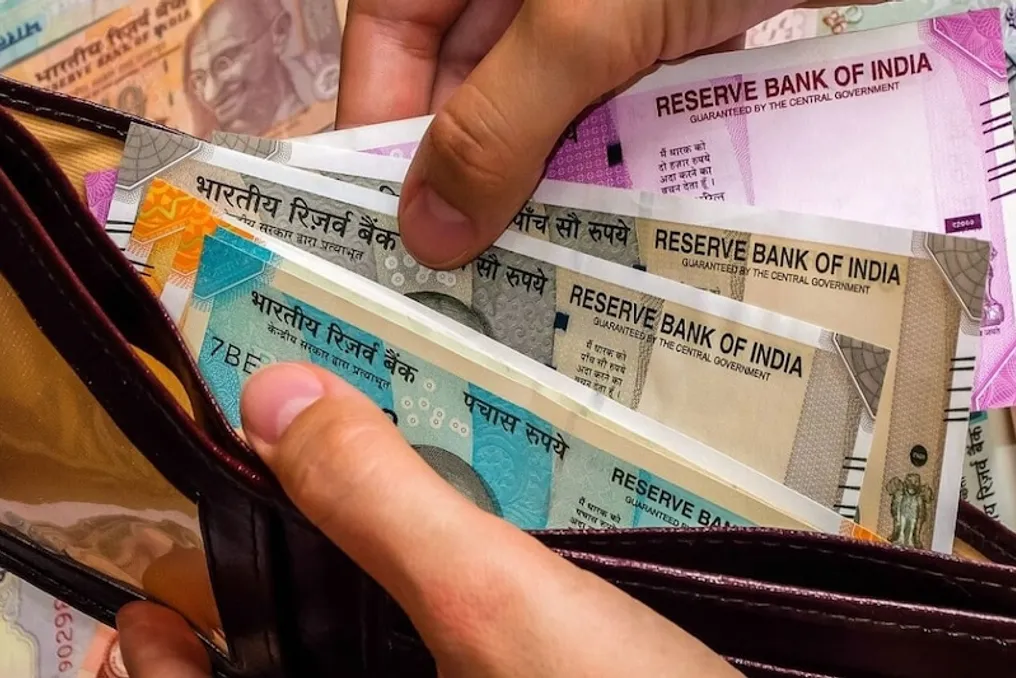
Railway company denies rumors of bonus payment of 41,000 rupees to employees
Read more
Aaj Tak
www.aajtak.in

Railway company denies rumors of bonus payment of 41,000 rupees to employees

A message circulated widely on social media claiming that the government was planning to provide railway company employees with an annual bonus of 41,000 rupees. These messages often featured a document allegedly issued by the Railway Council, stating that a product-related or annual bonus would be paid to all workers for the 2025-26 financial year.

However, the Railway Council issued a clarification, stating that such a document was not distributed by them and is entirely fake. The fraudulent letter dated October 6 claimed that the central government had issued an order to grant a bonus equivalent to 78 days, which was supposed to give all railway workers a bonus of 41,149 rupees.

Furthermore, in a letter sent on October 7, the Railway Council addressed all railway general managers, demanding that the viral social media letter be considered completely fake because it contained forged signatures. The railway warned that this letter was not authentic and had not been issued by them. The Council also specified that no decisions regarding bonuses had been made, and no payments were made based on any documents.

The Railway Council advised that if such information is received, it should first be verified on the official railway website or through communication with railway officials. Additionally, facts can be checked on the Ministry of Railways website.

Regarding the annual bonus for railway employees who are not in the 'gadget-free' category, there is a limit of 17,951 rupees, which has been in effect since 2014-15. The calculation of the annual bonus for railway employees is based on the maximum salary of 7,000 rupees and a period of 78 days.

Recently, the Indian Railways Technical Supervisors Association (IRTSA) demanded that the central government increase their maximum salary to 18,000 rupees, as well as increase the inflation allowance for level 2 employees. IRTSA argues that the limit for unskilled workers is 21,000 rupees, so the limit of 7,000 rupees should be increased to 18,000 rupees. The Council noted that with a base of 18,000 rupees, the bonus could be increased from 17,951 rupees to 46,184 rupees.

Similar stories

Demand for AI skills is growing, but generative AI is affecting hiring in Indian office professions
Read more
timesofindia.indiatimes.com

Demand for AI skills is growing, but generative AI is affecting hiring in Indian office professions

The World Bank reported that despite the growing demand for specialists with artificial intelligence skills, generative AI is beginning to influence the hiring process for entry-level positions in India's office sector.

This indicates the formation of a labor market where some junior roles may disappear while new types of employment emerge.

Manash Pratim Gohain, an experienced journalist with over two decades of experience at The Times of India, has created an extensive body of work covering education policy, politics, and governance.

He is known for his in-depth coverage of the National Education Policy (NEP) 2020, accreditation reforms, and upskilling initiatives. Furthermore, he has covered student politics, urban politics, and social movements.

His political journalism, which combines a reflective approach with news coverage, lends depth to his texts by linking politics to social impact. Through his 2500 articles and related materials, he has become an authoritative voice in the national discourse, particularly regarding the connection between educational reforms and broader social changes.

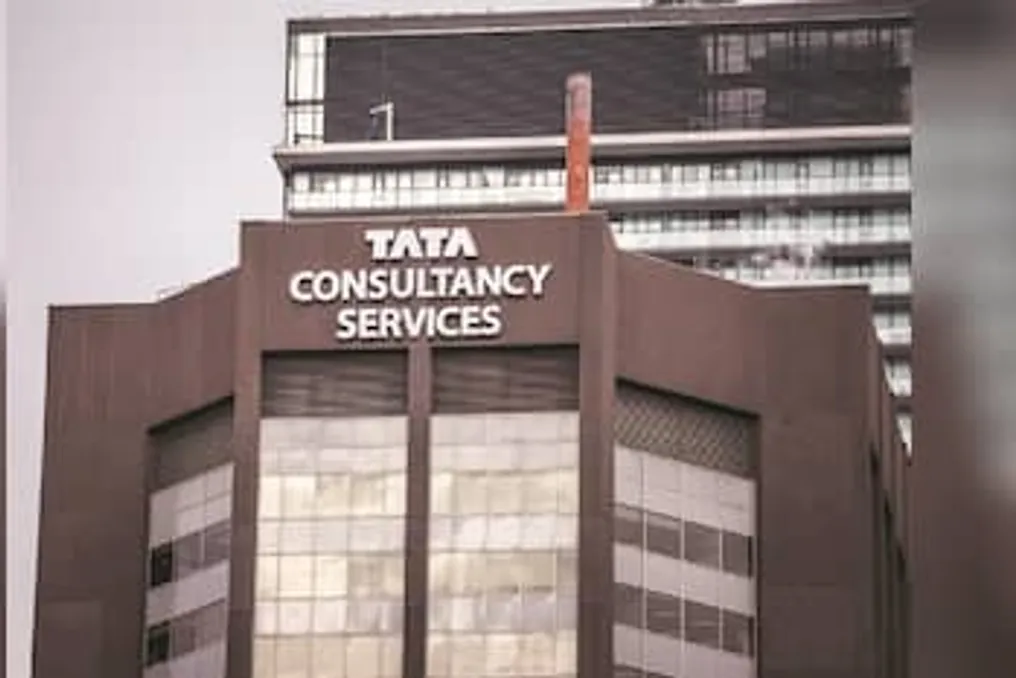
TCS Hires 10 Thousand Graduates in Q2 of FY27 and Plans Hiring Based on Demand
Read more
business-standard.com

TCS Hires 10 Thousand Graduates in Q2 of FY27 and Plans Hiring Based on Demand

Tata Consultancy Services (TCS), India's largest IT services company, announced that its hiring strategy will depend on client needs as the company invests in artificial intelligence skills, employee training, and attracting specialized talent, despite rising subcontractor costs in the second quarter.

During the reporting period, TCS hired 10,000 new employees. The total workforce as of June 30, 2026, reached 598,056 people, representing an increase of 4,258 employees.

In the first quarter, the company hired 14,000 graduates. Sudip Kunnumal, Chief Human Resources Officer, stated during the analyst call: 'We hire according to demand, and we definitely see good demand for these technologies, so we will continue to hire.'

Furthermore, the company continues to build a future-ready workforce through upskilling employees and attracting top-tier specialists. Investments in training and critical skills ensured a consistent growth in training hours by 17 percent, reaching 17.1 million hours.

Kunnumal also noted that the company continues to attract both experienced and young professionals. He emphasized: 'Our hiring strategy continues to balance experienced personnel, early career talent, and internal competency. As client demand changes, we are focused on strengthening AI and domain expertise, improving readiness for adoption, and investing in continuous learning. Over the last year, we have significantly expanded our technological capabilities and AI capabilities for large-scale training and reskilling initiatives.'

TCS management also reported that strategic partnerships, Mergers and Acquisitions (M&A) initiatives, and hiring specialized talent were among the priority investment areas in the second quarter.

Samir Saxaria, CFO of TCS, stated: 'As we build future capacity and navigate the demand transition period, we invested in a larger reserve and increased subcontractor hiring to meet short-term skill requirements and execution needs.'

TCS's spending on subcontractors increased. The share of subcontractor expenses was 6.8 percent of revenue, compared to 5.9 percent in the first quarter of FY27. The need for more subcontractors may also be related to visa restrictions in the US.

Meanwhile, the quarterly attrition rate stood at 13.3 percent.

Popular