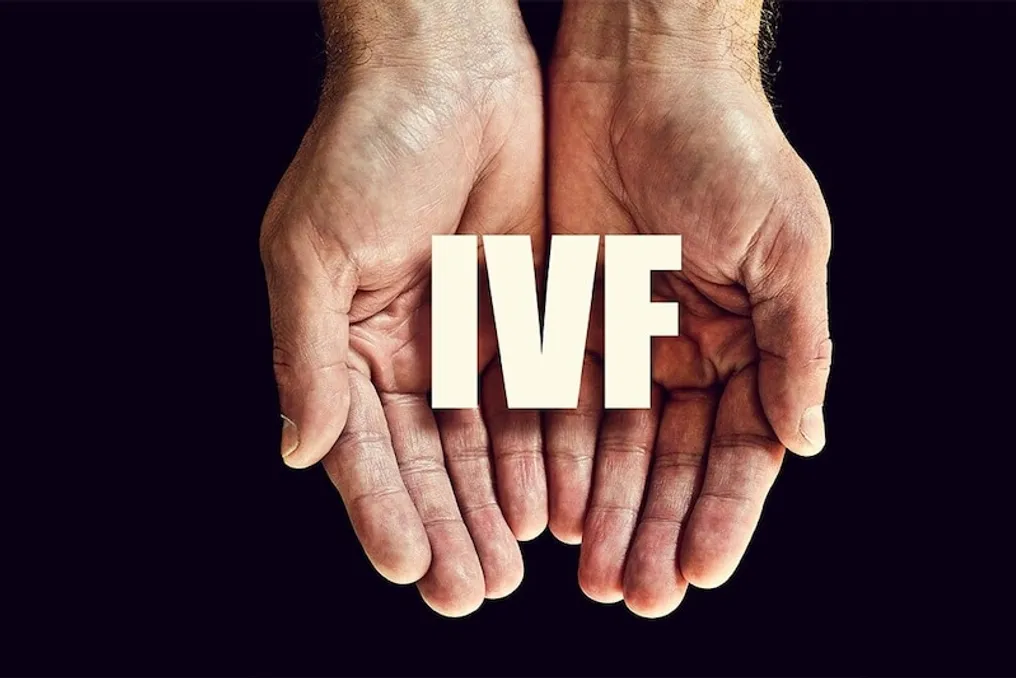
Study shows increased risk of certain diseases in children born via IVF
Read more
Aaj Tak
www.aajtak.in

Study shows increased risk of certain diseases in children born via IVF

According to data from the World Health Organization, over 15% of couples face infertility issues. Despite significant progress in treating infertility thanks to modern medicine, in vitro fertilization (IVF) has opened the door to parenthood for millions of people. Nevertheless, despite its advantages, questions have arisen regarding the long-term health of children born through IVF.

Large-scale studies have revealed that these children may have an increased risk of developing certain health problems in the future. A recent study published in the American Journal of Obstetrics and Gynecology investigated whether stress applied to the embryo during IVF could alter the movement of certain DNA within the genome, thereby increasing the likelihood of long-term health issues in offspring.

The study found that children conceived naturally had a lower overall amount of LINE-1 DNA in their genome compared to children conceived via IVF. Typically, DNA remains in fixed locations, but LINE-1 is part of elements capable of changing the human genome. These so-called 'jumping genes' can create copies of themselves and move them to new locations.

Scientifically, jumping genes are known as transposons. These are fragments of DNA capable of moving or copying themselves in different parts of our genome. Approximately 45–50% of human DNA consists of these jumping genes, and their influence can be both positive and negative. They aid in the changes and development of the organism, promoting the emergence of new traits. However, if these DNA fragments end up in the wrong place, they can block normal gene function, causing mutations and potentially leading to various hereditary diseases.

There is a risk that during the IVF procedure, these jumping genes might move to undesirable locations, increasing the probability of diseases in newborns. The analysis conducted by scientists compared the disease risk in naturally conceived children versus those born through IVF. It was found that children conceived via IVF showed a higher concentration of genes associated with the development of metabolic diseases, heart diseases, neuropsychiatric disorders, and cancer. The authors emphasize, however, that this is only a preliminary study and does not mean that children born through IVF will necessarily face these problems.

Despite this, IVF remains an important option for couples struggling with infertility. IVF is a medical procedure used for couples who cannot conceive naturally, and it is also referred to as 'test-tube baby' procedure. In recent years, the number of couples seeking IVF services has significantly increased in India, indicating a growing problem of infertility and an increase in the number of people resorting to IVF assistance.
Similar stories

Pharmaceutical Secretary States High Margins Create Conditions for Abuse
Read more
timesofindia.indiatimes.com

Pharmaceutical Secretary States High Margins Create Conditions for Abuse

Pharmaceutical Secretary Manj Joshi noted that the significant profitability of medicines is causing concern because it can influence product selection or facilitate improper actions.

In this regard, the government is strengthening control over unscrupulous participants in the healthcare sector, including hospitals and pharmaceutical companies.

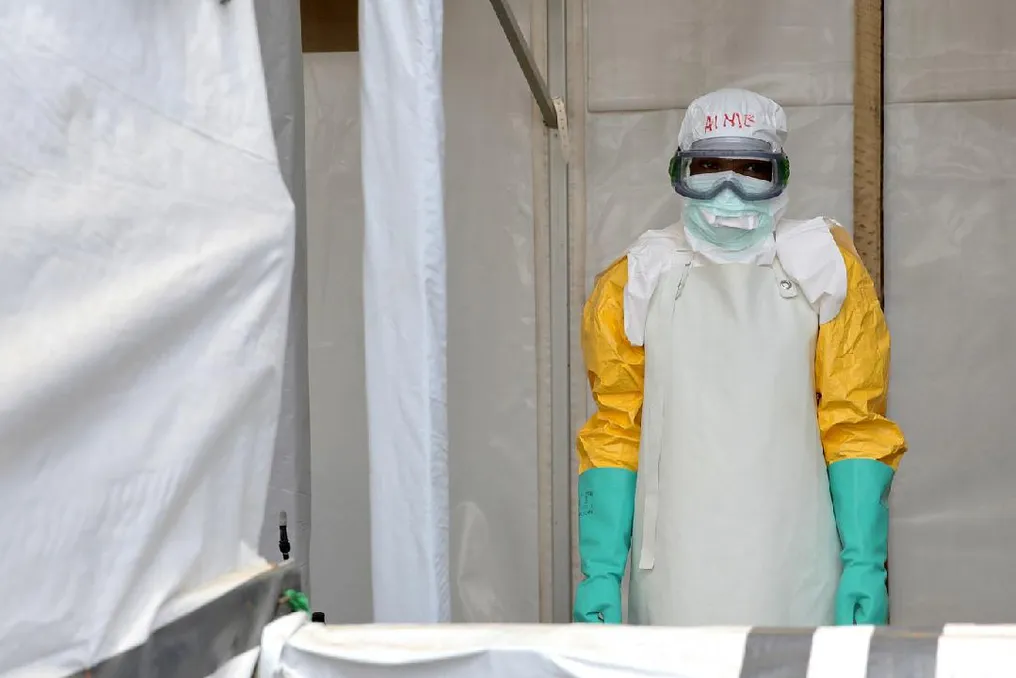
South Sudan increases Ebola preparedness after case in Kenya
Read more
cgtn.com

South Sudan increases Ebola preparedness after case in Kenya

The Ministry of Health of South Sudan reported on Wednesday that the country has raised its level of epidemiological surveillance and readiness for an Ebola outbreak following the confirmation of an imported case caused by the Bundibugyo virus in neighboring Kenya.

Although no cases have been identified within South Sudan itself, the healthcare system has been placed on high alert. This is due to increased regional movements and trade links with the Democratic Republic of Congo, as well as transit routes through Kenya and Uganda.

Deputy Minister of Health, Dr. Duop Bichiok, stated at a press conference in the capital, Juba, that the geographical expansion of the outbreak to Kenya significantly increases the probability of cross-border transmission and underscores the urgent need to strengthen vigilance at entry points.

South Sudan has resumed its Ebola response and preparedness system. The Ministry announced that screening is being conducted at entry points, along the borders of 15 high-risk regions, and at Juba International Airport.

Furthermore, a special national task force has been established to coordinate preparedness efforts. Adder Machar Aciek, Executive Director of the National Institute of Public Health, reported the establishment of eight specialized infectious disease units for isolation and clinical treatment in case of detection.

Moses Ongom, a World Health Organization staff member in South Sudan, noted that the readiness level has risen to 65%, up from 29% in May and 45% in June. He added that infectious disease control and response capabilities have been strengthened in priority areas and urged the public to remain vigilant and report any suspicious cases immediately.

Tolbert Gevelle Nyenswah, Country Director of the Africa Centres for Disease Control and Prevention (Africa CDC) in South Sudan, emphasized that active systems for monitoring, detection, rapid response, and laboratory testing are operational in the country. Nyenswah also mentioned that Africa CDC and WHO are coordinating a regional incident management support mechanism based in Kampala to strengthen interstate cooperation among countries affected by or bordering the Democratic Republic of Congo.

The Ministry of Health strongly urged people to remain calm but vigilant, maintain regular hand hygiene, and avoid direct contact with individuals showing Ebola-related symptoms. It was recommended to seek care at the nearest medical facility if symptoms such as fever, vomiting, diarrhea, or unexplained bleeding appear.

Popular