Injury problems are becoming a serious challenge for Indian cricket, as constant player injuries create difficulties for the team management during important tournaments. Important details were revealed in the annual report of the Indian Cricket Council's Centre of Excellence (CoE).
According to the report, between April 2025 and March 2026, 32 leading players of the men's Indian national team underwent rehabilitation after injuries. This included 20 players on central contracts and 12 players from the India-A or target player categories.
As per TOI, the spate of injuries continued even after the Indian Premier League (IPL) 2026, with at least two players being injured in each series. Shubman Gill, captain of the men's Indian team in Test and ODI formats, and head coach Gautam Gambhir had previously expressed concern over the players' physical fitness issues over the past year. This raises the question of the need for changes in the existing system to protect players from injuries and improve their recovery.
Amidst the rising number of injuries, the BCCI has planned an increase in expenditure for the Centre of Excellence. According to the report, the projected budget for the CoE for the financial year 2026-27 is 127 crore rupees, whereas the actual expenditure in the previous financial year was around 92 crore rupees, indicating a budget increase of approximately 35 crore rupees. These funds cover administrative expenses, training programs, and match-related costs. However, the impact of the increased budget on player fitness and injury prevention will become evident in the future.
Between April 2025 and March 2026, the BCCI-CoE Sports Science Medical Team (SSM) treated and managed injuries for a total of 68 cricketers, including women. Although the report does not provide detailed information on the number or duration of rehabilitation for each player, the most common issue was soft tissue injuries. This category includes muscle and associated tissue damage that can affect players' ability to run, bowl, and move quickly on the field.
As an example of injuries mentioned in the report, Rishabh Pant required treatment after a leg fracture during a match in Manchester in July 2025. It is also reported that Rohit Sharma underwent rehabilitation at the CoE during this period. BCCI has not made an official statement regarding Rohit's treatment. According to the report, Rohit approached the CoE due to a hamstring injury after IPL 2026.
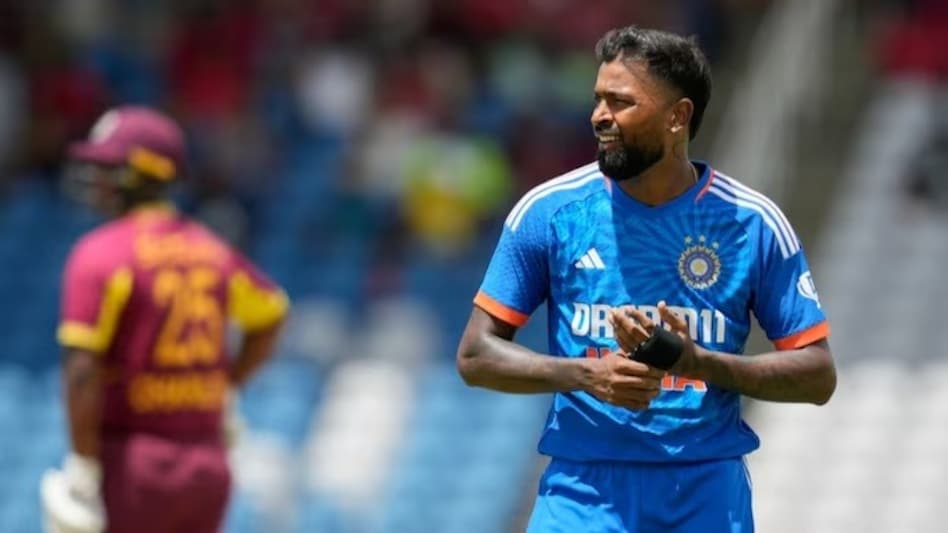
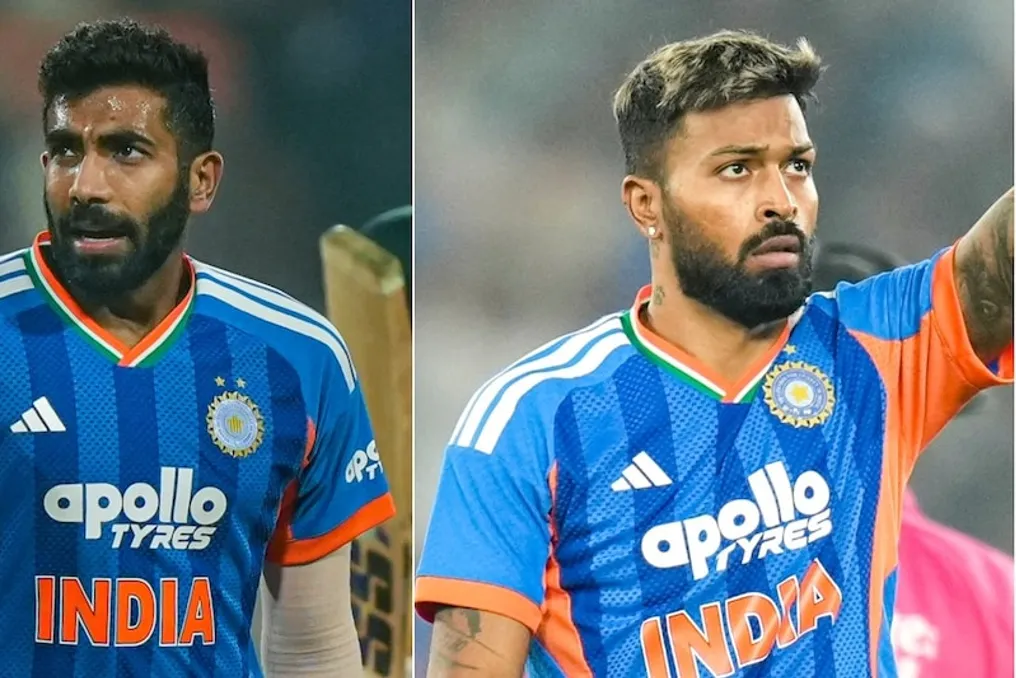
Among the injured players are several well-known names such as Jasprit Bumrah, Washington Sundar, Nitish Kumar Reddy, Harshit Rana, Hardik Pandya, and Prasidh Krishna. The report indicates that Harshit Rana, Hardik Pandya, and Nitish Kumar Reddy spent at least four months at the CoE in the last 18 months. Furthermore, as of September 30, 2026, players such as Virat Kohli, Varun Chakravarthy, Prince Yadav, and Harsh Dubey were included in the list.
The unavailability of key players directly affects team selection and combinations. This issue becomes even more pressing in the case of fast bowlers, as it is crucial to balance their workload between regular matches and training. The report also highlights issues related to the administrative and technical work of the Centre of Excellence. Nitin Patel, Head of Sports Medicine, resigned in March 2025, and the position remained vacant for a long time. BCCI announced recruitment for this position last month. A lack of communication between the national team's SSM division and the CoE's SSM team is also noted. VVS Laxman acts as the main intermediary in contacts between these two structures.
The report states that the national team's fitness coach, Adrian Le Rouxed, proposed some changes to the player workload management process in June 2025, but the CoE was reluctant to deviate from its current system. In this situation, improving coordination between the two divisions could be a decisive factor in enhancing the effectiveness of the player fitness strategy.
Similar situations arose during the COVID-19 pandemic. According to the report, in 2021-22, many players suffered injuries after exiting the bio-bubble. At that time, the situation was brought under control within two to three months. Prior to that, in 2017...