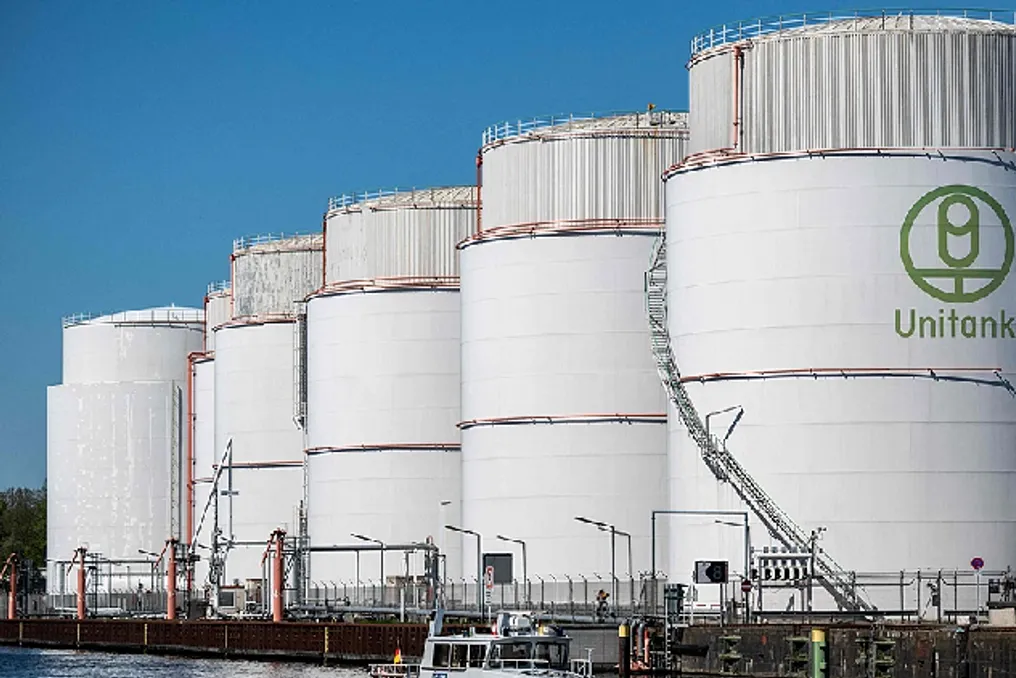
The International Energy Agency (IEA) approved on Wednesday the acceleration of releasing approximately 100 million barrels of oil from emergency reserves. This decision was made against the backdrop of ongoing tensions in the Middle East and disruptions to shipping through the Strait of Hormuz, which are contributing to rising energy prices.
IEA members agreed to complete the release of previously announced stocks 'as soon as possible' and prioritize diesel fuel where possible, citing a global shortage of diesel fuel. This decision complements large-scale coordinated efforts to stabilize oil markets.
Previously, under a March agreement, about 325 million barrels had been released, with some countries contributing more than initially promised. Currently, IEA members hold about 1.1 billion barrels of publicly available emergency oil stocks, including over 200 million barrels of diesel fuel. The agency stated its readiness to release more if necessary.
On March 11, 32 IEA members unanimously decided to make 400 million barrels of oil available to the market—the largest coordinated release in the agency's history.
France is also taking measures to ease the situation for individuals and businesses. Prime Minister Sébastien Lecornu stated on Wednesday that France will release 10 million barrels of diesel fuel from its strategic reserves. He noted that this fuel will be supplied to distributors and could lower pump prices by approximately 12–18 eurocents per liter.
This measure is expected to last for three months, and Lecornu said he would soon sign a decree authorizing the release. Furthermore, he called on the state utility company EDF to maximize electricity generation to prevent electricity price increases this winter.
The French broadcaster TF1 reported on Tuesday that diesel fuel was selling at an average price of 2.35 euros ($2.63) per liter, while SP95-E10 gasoline, the most common in the country, averaged 2.14 euros ($2.40) per liter.
According to IMF Managing Director Kristalina Georgieva, pressure on energy markets may persist even after the imminent end of hostilities in the Persian Gulf region. Speaking in Singapore on Wednesday, Georgieva noted that high oil prices could remain until 2027 due to increased transportation costs and energy supply disruptions.
Despite the gradual recovery of energy supplies in the Persian Gulf, oil prices remain around $100 per barrel. Diesel fuel and other petroleum products remain particularly expensive due to limited global refining capacity. Serious disruptions are also observed in natural gas supplies, especially regarding LNG shipments. Georgieva warned that this impact could continue as long as the threat to shipping through the Strait of Hormuz persists.
She emphasized that the consequences of these disruptions are felt unevenly worldwide, with Asia and Europe suffering particularly hard. Georgieva added: 'Price pressure could intensify as countries replenish their reserves and demand rises with the approach of cold weather in the Northern Hemisphere.'