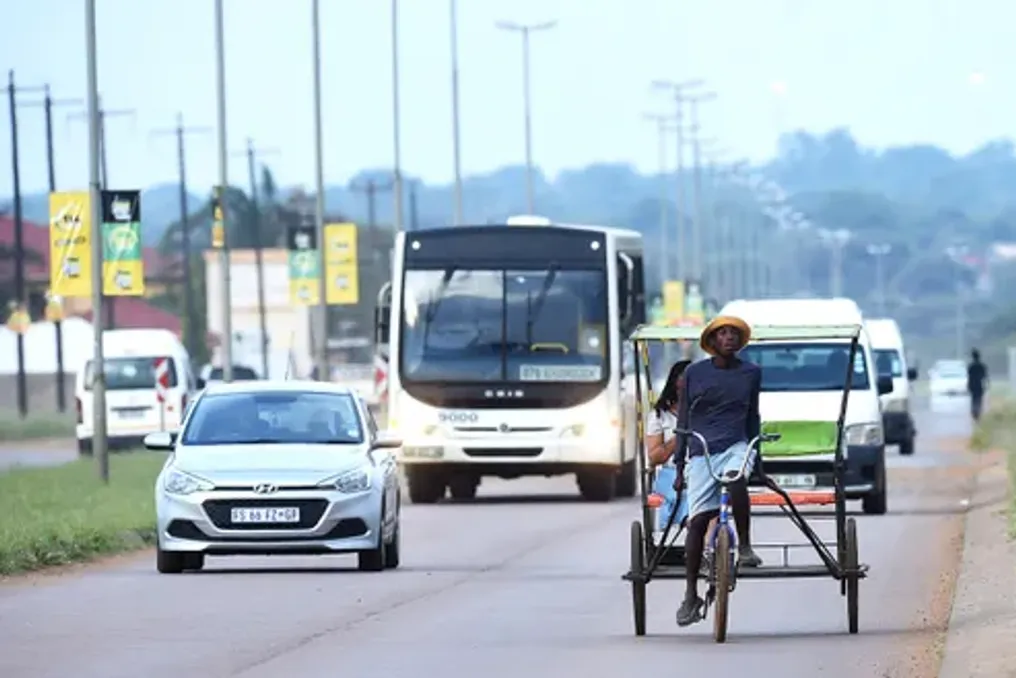
School transport services resumed in the Western Cape amid ongoing diesel fuel cost negotiations
Read more
IOL
iol.co.za

School transport services resumed in the Western Cape amid ongoing diesel fuel cost negotiations

School transport services in the Western Cape were restored on Wednesday after being suspended for one day, which left 21,934 students without their usual transport on the first day of the fourth academic term. The resumption of services occurred after the South African National Association of Small Bus Operators – Western Cape (SANSBOC-WC) reached an agreement with the Western Cape Department of Education representative, Jaco Londt, to resume operations from October 7th.

Although the immediate disruption has ceased, the dispute regarding rising fuel prices and the financial sustainability of school transport contracts remains unresolved. Londt stated that he held constructive discussions with SANSBOC-WC management on Tuesday and welcomed the operators' decision to return to work.

He emphasized that the students are the priority and expressed commitment to ensuring no further disruptions to the educational process. Following the agreement, the Western Cape Education Department (WCED) was given time to complete internal procedures regarding the possibility of providing assistance to operators in the form of diesel fuel subsidies.

WCED is currently spending 698 million rand

WCED is expected to provide SANSBOC-WC with a detailed response on Friday, following an internal departmental meeting scheduled for Wednesday, which will focus on reviewing the financial implications of increased fuel prices. Londt acknowledged that the sector is under serious pressure, noting that the current economic climate with high fuel prices makes it nearly impossible to create a sustainable business model for transport operators bound by contractual tariffs. He stated: 'We understand this.'

The Department spends 698 million rand in the 2026/27 financial year to transport over 71,000 students daily. The Department clarified that any diesel fuel subsidy must be considered in light of budgetary availability and proper procedure.

Key financial challenges

ANC Western Cape Member of Parliament, Khalid Saeed, welcomed the resumption of services as it provided confidence to students, parents, and guardians. However, he insisted that the resumption must be accompanied by the fulfillment of all contractual routes according to schedule. Saeed reported that the ANC faction would monitor the operation through engagement with affected schools, communities, and WCED, and raise any instances of disruption. He also warned that the fundamental financial difficulties have not disappeared.

He demanded: 'We expect prompt feedback on results and urgent progress toward a sustainable solution that prevents further disruptions and uncertainty.'

PEESA founder and community activist Vanessa le Roux stated that this incident highlighted a problem that regularly affects rural students. Le Roux noted: 'Every year we face the same issue where rural children suffer at the most critical moment when they need to take important exams.'

She also expressed concern about emergency alternatives used when contracted transport services fail. 'As an emergency response plan, the Department of Education relies on taxis, which puts these children at extreme risk,' she said. Previously, SANSBOC-WC had stated that rising diesel fuel and operational costs make it difficult for contractors to continue operating under existing tariffs.

Similar stories

Fuel dispute leaves thousands of Western Cape students without transport
Read more
iol.co.za

Fuel dispute leaves thousands of Western Cape students without transport

Thousands of students, including those nearing final exams, were unable to reach school on Tuesday morning after school transport operators in the Wilderness area suspended their services. The reason cited was a disagreement over the sharp rise in diesel fuel prices.

The suspension followed a statement by the South African Small Bus Operators Council (SANSBOC) indicating that the Western Cape Education Department could not provide a 'substantive response' by the deadline set for Monday evening.

The Council noted that the crisis stems from diesel fuel prices, which increased from 17.69 rand per liter in January to 28.68 rand in September. It was warned that prices could reach around 31.80 rand per liter by Wednesday, making diesel 80% more expensive than in January.

A SANSBOC statement read: 'We deeply regret this. We want to continue transporting your children. But we cannot operate at a loss indefinitely while fuel and other operating costs continue to rise.'

However, the Western Cape Education Minister, Jaco Lindt, reported that his department is engaged in constructive negotiations with SANSBOC chairman, Mr. Juan Swanepoel, which were scheduled to continue on Tuesday afternoon.

Lindt is under pressure from school transport operators due to the rising cost of diesel fuel. He clarified that the Western Cape Education Department has requested additional time to respond, and another meeting is planned for Wednesday.

He expressed hope that no student would be affected after Tuesday for the remainder of the week due to this issue, especially vulnerable students who rely on this transport for school attendance, as well as graduates with only a few days left until the NSC final exams.

WCED representative Brona Hammond stated on Tuesday that the department understands the pressure faced by operators. She noted: 'The department appreciates the financial pressure faced by school transport operators, especially in the current economic climate.'

Hammond reported that in the 2026/27 financial year, WCED spends 698 million rand on school transport, moving over 71,000 students every school day. Nevertheless, she emphasized that 'any form of assistance with diesel fuel must be considered in light of budgetary availability,' adding that feedback would be provided on Friday.

Despite this, she strongly condemned the consequences of the suspension, stating: 'What we cannot accept is the impact this has on students and their access to education. This is a critical time for our graduates, especially. The last instruction to suspend transport services also poses a risk to the safety of our students.'

The ANC faction leader in the Western Cape, Khalid Saeed, called for an emergency meeting, the provision of safe alternative transport, and immediate notification to affected schools and parents. Saeed stated in his statement: 'For children living on farms and in rural communities, school transport is often the only way to get to school. Expecting parents to arrange alternatives places an unfair burden on families who often lack private cars or money to organize other transport.'

He added that 'reports indicate that over 200 students in the Wilderness area alone may be left without transport. The Minister must immediately explain what measures are being taken to ensure the safe arrival of affected students at school.'

Popular