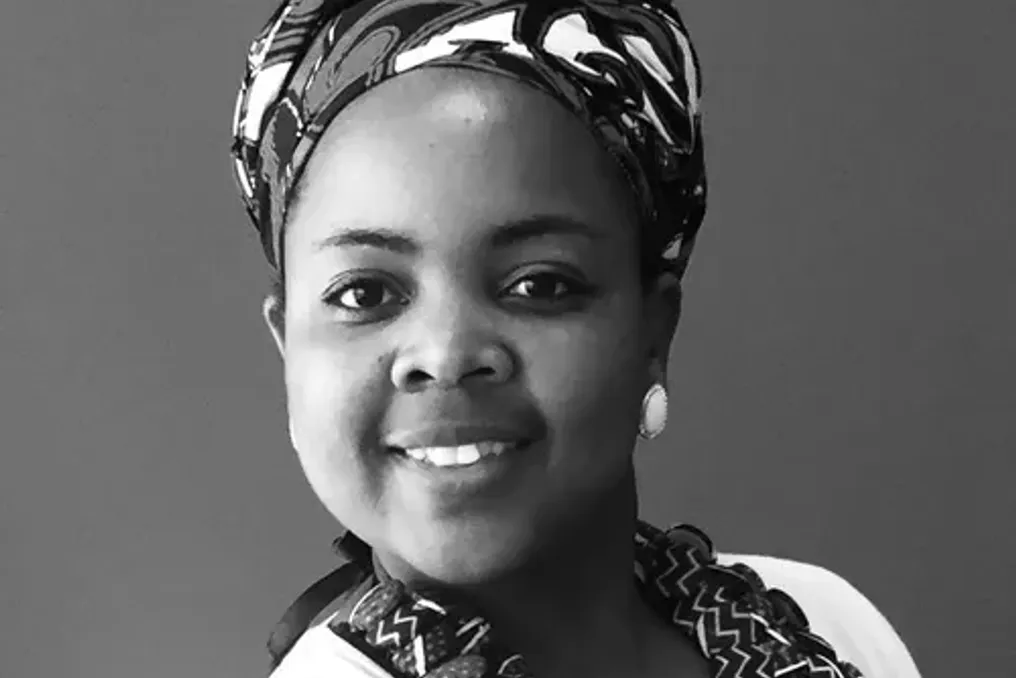
The story told by Dr. Portia Nkumbuleni Ramashie illustrates a critical problem in South Africa's oncology system: when waiting time becomes a disease. The situation began with the discovery of larvae when the tumor had already started destroying the author's uncle's tissues.
This case demonstrates several missed steps familiar to any South African oncology team: a biopsy that took months to process; delays in staging scans due to systemic issues; and a radiology report that only returned after a month. The most difficult moment was that nine months after the diagnosis, the author's uncle still had not seen an oncologist.
When the official system failed the family, they turned to a traditional healer. This situation is not an isolated example but reflects a crisis in cancer treatment caused by waiting lists outpacing disease progression.
Cancer treatment is a sequence of interconnected stages: pathological confirmation of the diagnosis after biopsy, staging examination using imaging, multidisciplinary analysis, oncologist consultation, therapy planning, and finally, the treatment itself. A failure at any of these links leads to the collapse of the entire chain.
A study conducted in Gauteng in 2025 showed that patients wait an average of over eight months for the first consultation with a radiation oncologist after confirmed biopsy, and 13 months of waiting is required for CT simulation planning for radiotherapy.
In the province where the country's main oncology institutions are located, the public radiotherapy infrastructure serves about 7.9 million people per center, meaning queues measured not in days, but in seasons.
However, these radiotherapy figures only show the tip of the iceberg, as the study data reveal a much larger breakdown in cancer care. Limited facility access, inefficient referral pathways, diagnostic delays, and a clear imbalance between public and private oncology services force patients to get stuck at the diagnostic and staging stages long before treatment begins.
The author's uncle fell directly into this trap: biopsy delay, scan delay, a month-long report delay, and no callback from the oncologist. He didn't even reach radiotherapy, being lost at an early stage of treatment.
The consequences of these delays extend far beyond the disease itself. Before progression becomes visible on scans, the delay inflicts psychological damage that is rarely recorded in medical charts. Prolonged waiting causes significant anxiety and depression, reducing quality of life, while the fear of progression intensifies with increased waiting time.
The trauma of watching the visible development of a tumor exacerbates this fear into severe mental distress. When the formal system proves unresponsive, decisions such as turning to a traditional healer become not a cultural choice, but an accusation of institutional abandonment.
A pattern emerges where beliefs and stigmatization prompt patients to seek traditional care before or instead of conventional treatment. This social effect extends further. Long waits disrupt livelihoods, family routines, and social connections, while distress often persists even after the first appointment.
The financial burden itself is a form of 'economic toxicity': expenses accumulate out-of-pocket for transport, accommodation, and food, especially for patients forced into 'patient nomadism' over long distances to reach a functioning facility.
Managing complications arising from late presentation increases systemic costs. These burdens fall heaviest on patients with the least financial reserves, for whom consulting a traditional healer adds another layer of expense to households already strained by the initial diagnosis.
Clinical risks are very high. Head and neck cancers, including tonsillar squamous cell carcinoma, are among the most aggressive types of tumors, and treatment delays are consistently linked to progression and adverse outcomes. Scientific publications are unequivocal.
Even a four-week delay in cancer treatment is associated with increased mortality across various tumor types, including head and neck cancer. Prolonged overall treatment time negatively affects both local control and survival.
Increased intervals before treatment initiation correlate with later stage upon admission and poorer survival outcomes. The author's uncle's eight-month delay did not just postpone care; it changed what could realistically be achieved with treatment. By the time a doctor could intervene, there was effectively nothing left in the standard oncology arsenal to offer. That is the result of a broken chain. One family cannot change referral pathways.
Nevertheless, this story clarifies what the oncology system must focus on. Necessary measures go far beyond just radiotherapy. Comprehensive, multifaceted approaches are critically important: targeted investment in pathology diagnostic services; improved access to staging scans; expanding the capacity of oncology specialists; increasing treatment infrastructure, including chemotherapy and radiotherapy capabilities; collaboration between the public and private sectors; and continuous staff development.
Improved referral pathways would help shorten those very intervals that defined the author's trauma, speeding up biopsy processing, effective CT planning, quick report turnaround, and timely specialist consultation.
Patient-centered interventions must account for socio-economic barriers interacting with systemic delays and include more honest engagement with traditional healthcare systems so that patients who turn to healers can be brought back into conventional treatment, rather than being lost from sight.
One family waited. The system did not. Moreover, the disease progressed. Larvae appeared first, but they were not the disease itself; they were evidence of a chain that was allowed to grow.
The question is no longer whether delays cost lives. But how many more families in South Africa will have to wait to find out.