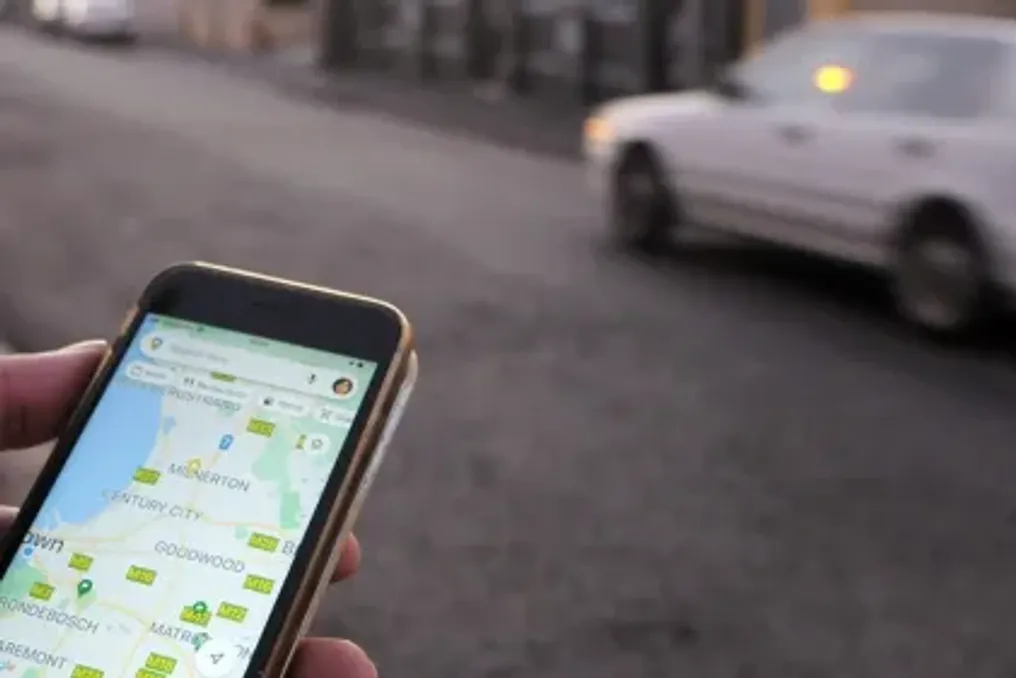
Travelers are being cautioned against fraudulent drivers from taxi services and other carriers. Advocacy groups and the local district committee for improvement are warning visitors about the danger of using fake taxi booking services and taxis, some of which operate under the guise of Uber.
These scammers offer rides from Cape Town International Airport (CTIA) to residential areas for prices ranging from 10,000 to 25,000 rand. Jacques Weber, director of the group and founder of Atlantic Seaboard Response (ASB), as well as chairman of the Sea Point Central Improvement District (SPCID), reported that unsuspecting passengers are being pressured by these fraudsters. These scammers might charge, for example, 1,000 rand for a trip and then add an extra zero after the client completes the transaction.
According to Weber, hotel owners informed him about the latest actions of scammers in the taxi booking service sector, after which he began spreading warnings among tourists via social media. Passengers are often targeted through unsolicited communication channels or directly in the airport area.
In July, Airports Company South Africa (ACSA) informed the publication Cape Argus that it has increased passenger awareness regarding safety measures at CTIA in response to concerns about inflated prices by fake Uber drivers, and has also increased the visibility of security services in key passenger zones.
This followed a warning issued by regular traveler and digital creator Johan van Schalkwyk to tourists about suspicious Uber drivers who allegedly inflated trip costs up to 4,200 rand.
This week, ACSA stated that extortion is a criminal offense under the Civil Aviation Act and its regulations, and that the company continues to run information campaigns to help travelers recognize and avoid unauthorized transport providers.
Weber emphasized that this is why he urges travelers to be vigilant when making online payments for trips from CTIA and to carefully check the amount being debited. He noted that in recent weeks, there have been numerous reports of people approaching visitors at Cape Town International Airport offering transport.
He added that this is not a new trend, but one that has existed for some time. However, as Cape Town approaches the active summer tourist season, such incidents are becoming more frequent. These individuals allegedly approach tourists inside or outside the airport asking if they need a taxi or offering to take them directly to accommodation. Subsequently, visitors are allegedly presented with excessive and completely unjustified bills upon arrival.
Reports mention demands for payment up to 10,000 rand for a trip from the airport to a guesthouse. Another case recorded involved a visitor allegedly being billed 25,000 rand for a transfer from the airport to the Green Point area. Weber strongly recommends that hotels, guesthouses, Airbnb hosts, and all other accommodation providers remind their guests to use only authorized and registered transport services.
Weber advised visitors to book transport through recognized booking services or pre-booked services, or to use clearly marked and registered taxi and transport counters at CTIA. He categorically stated that unsolicited offers of transport from people approaching them inside or outside the airport should not be accepted.
He called on Airports Company South Africa (ACSA) to develop an immediate plan to prevent this problem.
A local hotel owner in central Cape Town anonymously told Weber how scammers bill travelers thousands of rand. This owner mentioned having about three guests and knows of a case at another hotel where a guest was billed not on Facebook, but the scammers first quoted a price of 350 or 500 rand, and when the guest paid, they added another zero to the amount.
In response to these statements, ACSA stated that it places passenger safety at the center of its operations and continues to implement information initiatives to help travelers identify and avoid unauthorized carriers. ACSA clarified that these measures aim to reduce passenger vulnerability, deter the use of unauthorized service providers, and strengthen safe travel practices at the airport.
ACSA shared information on current passenger safety measures, which include: placing signs at international arrivals warning about the risks of extortion and unauthorized carriers; increasing the visibility of security services in key passenger zones; displaying safety messages on airport screens at specific intervals; placing and distributing brochures in strategic locations to raise passenger awareness; having a 'Travel Safely' tunnel that increases safety awareness for passengers using the airport; and regular updates on social media reminding passengers to use authorized transport services.
The publication The Weekend Argus also requested comments from Uber regarding these claims. As of the publication, no response from Uber had been received. Previously, Uber SA informed Cape Argus that it is aware of so-called 'fake drivers' and is working to resolve the issue, while the Western Cape E-hailing Association stated that it is unaware of the problem but encourages passengers to report such incidents to ACSA or the police.