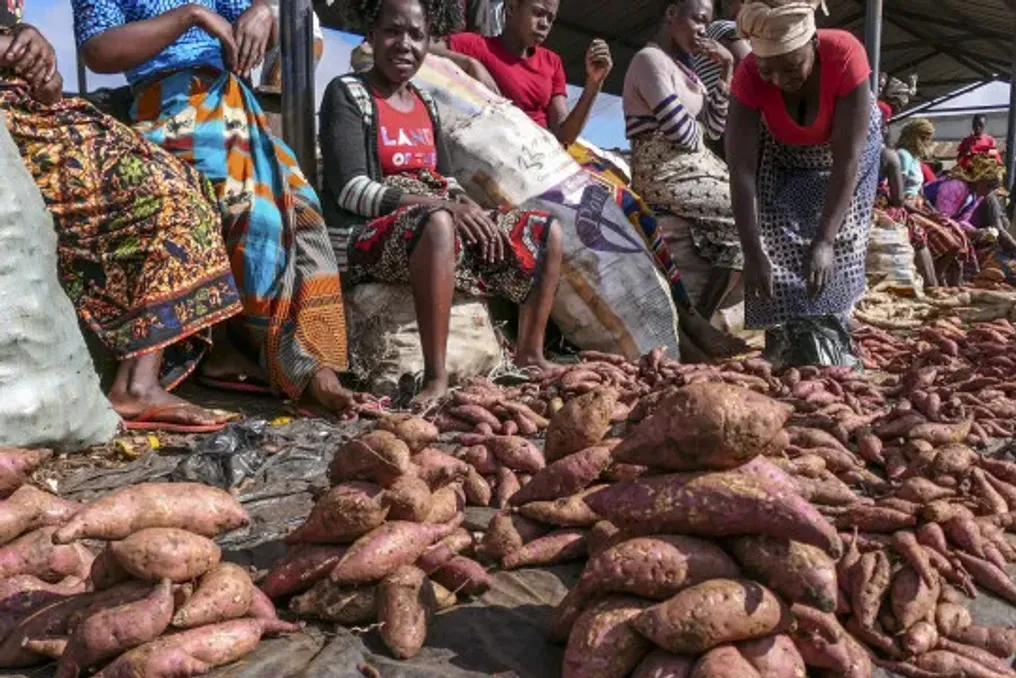
Number of people experiencing food shortages decreased in Mozambique
Read more
Noticias ao Minuto
noticiasaominuto.com

Number of people experiencing food shortages decreased in Mozambique

In Mozambique, the number of people facing food insecurity has decreased by 147,629. Governor Manique, Francisca Thomas, attributed this to increased agricultural production in the 2025-2026 campaign and measures taken to strengthen production capacities in response to the effects of El Niño.

Francisca Thomas reported that from April to September of this year, the number of such people fell to 101,222, a result of productive actions in the 2025-2026 agricultural campaign, citing assessments from the Technical Secretariat for Food Security and Nutrition (SETSAN).

Among the measures taken are the distribution of 60 diesel water pumps among producers in six districts of the province, as well as the installation and acquisition of solar-powered irrigation systems. Under the Inclusive Development Program for Agri-food Chains, 22 photovoltaic irrigation systems are also being purchased for producers in four districts, according to the governor.

Francisca Thomas noted that several measures are being implemented in her province to mitigate the effects of El Niño at the initiative of the President of the Republic [Daniel Chapo], as part of the emergency recovery and resilience program. The province plans to install six water supply systems and acquire another 20 photovoltaic systems to support producers in four districts, aimed at improving water access and sustaining agricultural production.

Despite improvements in Manique, national food needs are worsening. A technical analysis conducted by SETSAN forecasts that the acute food crisis could affect 1.84 million people by March 2027, compared to the current 1.19 million.

The projected 55% increase is mainly linked to the armed conflict in the north, the impact of El Niño, and the depletion of food stocks, according to the analysis of the Integrated Food Security Phase Classification (IPC). The Mozambican government had previously warned about the impact of El Niño in at least 52 districts of the southern and central regions, announcing the preparation of an action plan to reduce the effects of drought and water scarcity.
Similar stories

Sao Tome and Principe no longer records deaths from malnutrition
Read more
noticiasaominuto.com

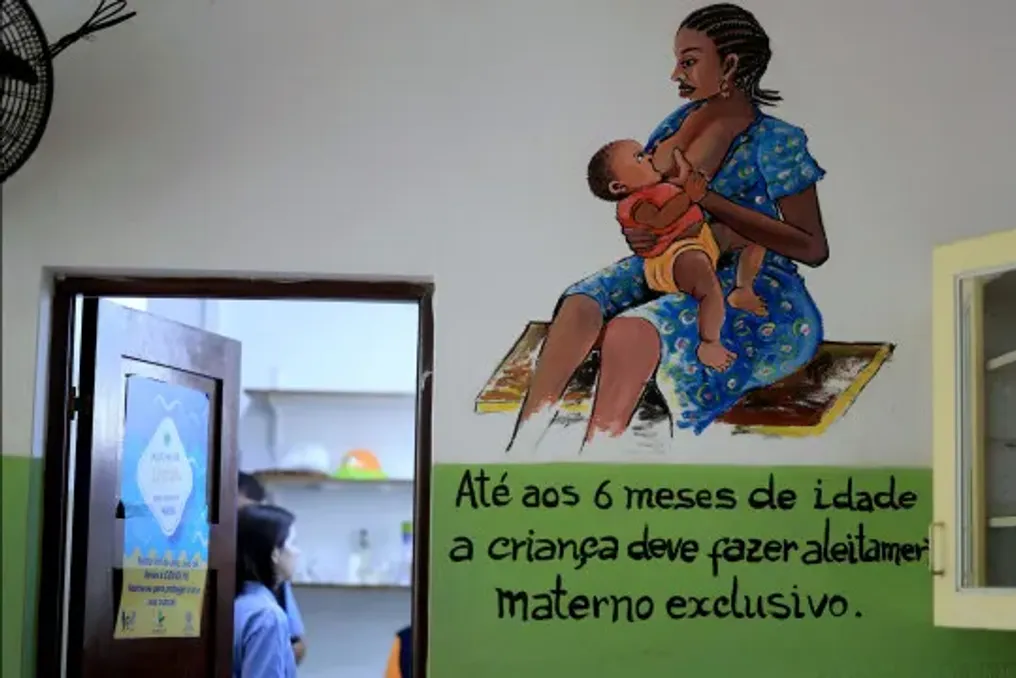
Sao Tome and Principe no longer records deaths from malnutrition

According to data provided to the Lusa agency by teams involved in the National Nutrition Plan (PNN) and the Maternal and Child Nutrition Monitoring Plan (PANMI), Sao Tome and Principe no longer registers deaths related to malnutrition.

The coordinator of the Portuguese Helpo national representation in Sao Tome and Principe noted a shortage of specialists, stating that 'there are only three nutritionists in the country.' However, Miguel Jarimba reported encouraging news: a first group of local nutritionists, trained with support from Portuguese instructors, will soon be available, numbering 13 new graduates.

Clara de Souza, responsible for PNN, emphasized that no deaths from malnutrition were registered this year, which is the first time she remembers. Nevertheless, Clara de Souza expressed regret over problems with access to drinking water even in the capital's central hospital, noting that in the absence of water, firefighters bring dirty water.

Maria Tavares from Helpo, who heads PANMI, acknowledged the lack of complete, regular, or reliable data on the malnutrition problem but highlighted the progress made, citing the reduction in cases of acute malnutrition. In 2025, consultations were conducted for 355 children aged 0 to 5 years, totaling 3282 nutritional consultations, demonstrating positive results.

The nutritionist explained that the deficit of qualified specialists is compensated by decentralized support in communities and health centers, where nurses and public health agents can identify cases and refer patients to medical facilities.

The latest available data showed that the prevalence of chronic malnutrition among children under 5 in Sao Tome and Principe was 17.2%, and acute malnutrition was 4%. The low birth weight rate, a key indicator of maternal health status affecting mortality and morbidity, reached 8.4% among children, while more than six out of ten children aged 6 to 59 months (67.5%) suffer from anemia. The NGO emphasizes that this 'contributes not only to stunted growth but also affects cognitive development, reducing the ability to learn and succeed in adult life.'

Most of this data dates back to 2019. Due to the lack of regular and reliable indicators, the Portuguese NGO is launching a national survey this month 'to understand nutritional status and dietary habits,' which will help in developing recommendations and government policies. Rita Sequeira, responsible for the nutrition and food monitoring project, noted that 'such work, with such thoroughness and coverage, has never been conducted.'

In the fight against malnutrition in Sao Tome and Principe, the coordinator of the National Nutrition and School Health Program (PNASE), Emanuel Monteiro, faces serious difficulties. The state inherited the management of projects from the World Food Programme (WFP) and Helpo, which now act as partners.

The main task is ensuring the expansion and self-financing of PNASE, as it does not receive funds that should come from cement and alcohol taxes, which are lost in other government expenditures. Despite this, the program provides for about 50 thousand children, which is almost a quarter of the population of Sao Tome, guaranteeing them what is often their only hot meal.

The initial goal was to provide food for 300 schools for 180 days a year, but only half of that period could be covered. To sustain the project, pigs and chickens are raised, and meat and eggs are sent to schools; tomatoes, pumpkin (pinpinela), onions, carrots, beets, green beans, and cabbage are grown. This is not enough for daily provision. Due to insufficient funding, they have to sell some pigs, quail, and corresponding eggs, chicks, and vegetables to maintain the project.

Furthermore, Helpo supports the project through a student sponsorship program, providing educational materials and food, as well as paying registration fees and tuition. Although the UN officially excluded Sao Tome and Principe from the least developed countries category in December 2024, recognizing sustained progress, about 13% of the population lives below the extreme poverty line, and more than two-thirds of the population suffers from socio-economic vulnerability.

Popular