Coffee Museum in Santos exhibits history, architecture, and culture in the former Stock Exchange Palace
Read more
Viagem e Turismo
viagemeturismo.abril.com.br

Coffee Museum in Santos exhibits history, architecture, and culture in the former Stock Exchange Palace

Coffee was one of the main export products in Brazilian history, and the city of Santos played a central role in this scenario for many decades. Although the municipality was not prominent in cultivation, its port was the outlet point for most of the world's production, and business was concluded in the lobby of the Coffee Exchange.

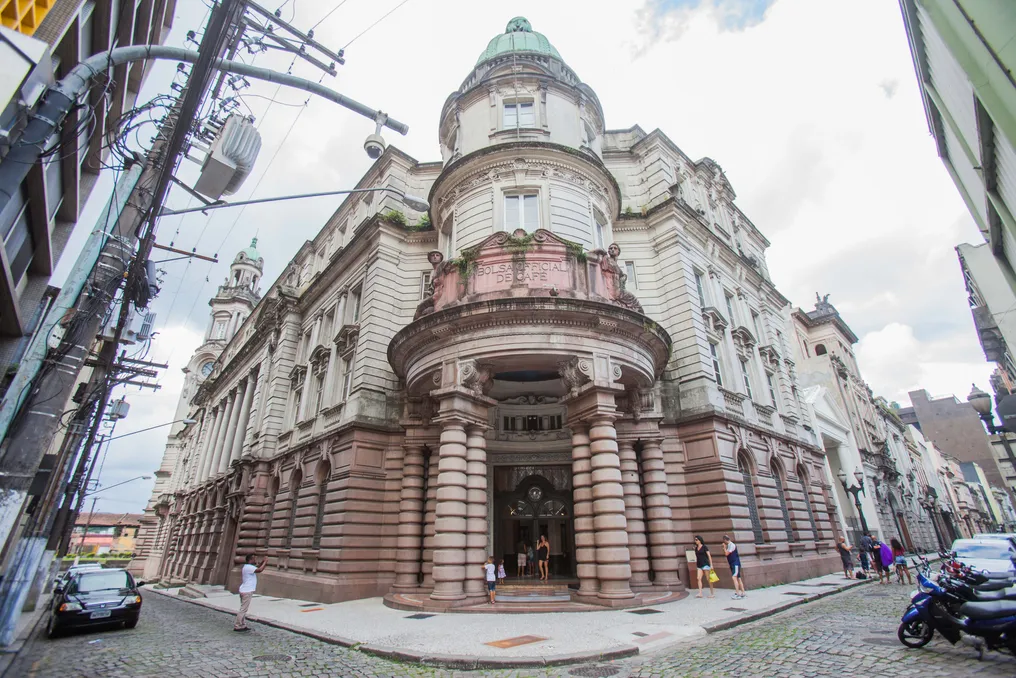
Located in the Historic Center, the former stock exchange palace ceased its commercial functions in the 1970s but remains a visited spot for those walking through Santos. Currently, instead of negotiating the price of sacks of beans, visitors to the Coffee Museum seek to learn about how this product shaped the country's social and economic development, a trajectory documented by the museum since 1998.

The attractions of the Coffee Museum utilize the facilities of the Stock Exchange Palace, where commercial transactions began in 1922. Besides the clock tower, 40 meters high, one of the most recognizable structures in the Historic Center, the building has various architectural, historical, and decorative elements that ensured its listing at municipal, state, and federal levels.

Auction Room

The Auction Room is an essential point of the visit, as it is where the quotations of the sacks were negotiated daily, from the inauguration of the Exchange until 1950. The floor, made of marble imported from European countries, features Masonic references, such as a Star of David. The current decoration recreates the furniture of the time to evoke the atmosphere of buying and selling, highlighting eleven chairs in the center for the president and secretaries of the exchange, surrounded by seventy others intended for brokers.

At the tops of the halls, large skylights are adorned with stained glass windows that narrate Brazilian myths and events. The economic phases of the country are represented in panels such as "The Vision of Anhanguera," which portrays the exploitation of gold during the colonial period; "Farming and Abundance," which celebrates the agricultural riches of coffee, sugarcane, and cotton during the Empire; and "Industry and Commerce," which focuses on the more contemporary forms gaining ground in the Republic.

The permanent exhibition of the Coffee Museum is entirely dedicated to presenting the science, history, and art linked to this commodity in Brazil. The show begins with the recovery of the arrival of the first coffee seedlings in the national territory, continues with records of planting and harvesting, and addresses the participation of European and Japanese immigrants in this work.

Additionally, visitors are informed about the relevance of this product to the country's modernization, including its implications for the expansion of the railway network and the consolidation of the Port of Santos as the most important in Brazil.

The museum also offers temporary exhibitions, whose themes and programming can be consulted in a specific link. Another highlight of the visit is the institution's cafeteria, which is awarded the Premium seal by the Brazilian Association of Coffee Industry (Abic) in the Quality Coffee Circle program, making it an ideal place to conclude the visit.

The Coffee Museum is located at Rua Quinze de Novembro, 95, in the Center of Santos, and operates from Tuesday to Sunday, from 9 am to 5 pm. Due to the implementation of a new long-term exhibition, entry is temporarily free.
Similar stories

Cape Town Opera plans new training and production center in Mill House building
Read more
iol.co.za

Cape Town Opera plans new training and production center in Mill House building

Cape Town Opera has unveiled an extensive plan to establish a modern training and production center in the heart of the mainland city. This initiative aims to significantly support South Africa's creative economy and help address youth unemployment.

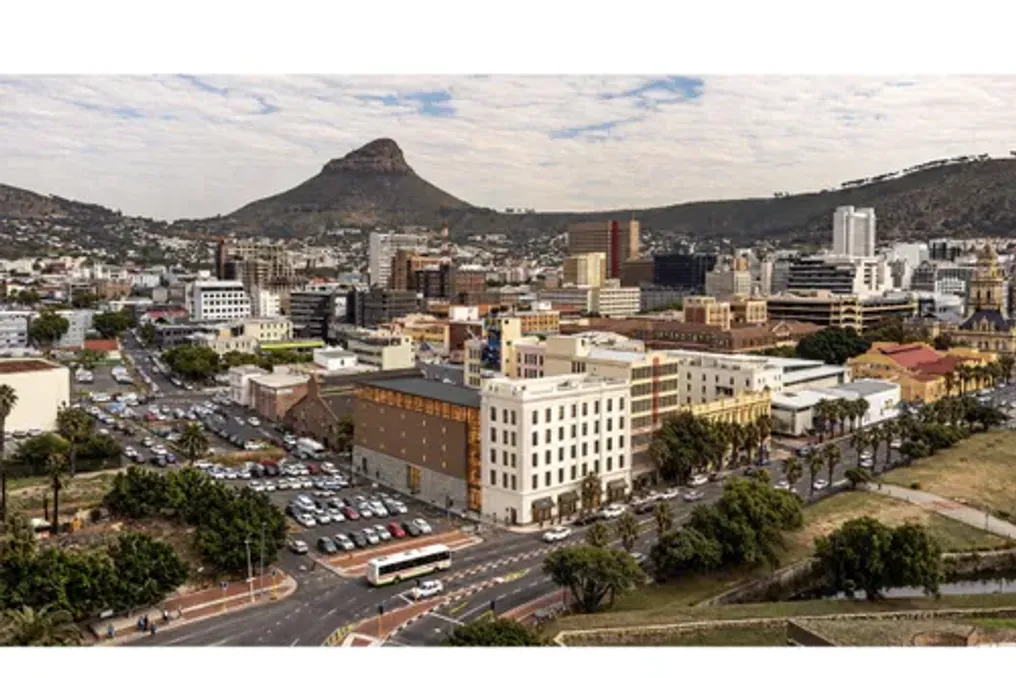
With support from a major founding contribution from the Judith Nelson Foundation, the historic Mill House building, located opposite the Castle of Good Hope, will be meticulously renovated and transformed into the Judith Nelson Theatre Development Centre. The recently launched Cape Town Opera Academy will also be housed there. Work is scheduled to begin in early 2028.

The conversion of Mill House will provide the company with a performance venue, specialized workshops for set design, as well as facilities for costume, millinery, and wig work. This hybrid approach goes beyond simple artist training by integrating artistic instruction, technical vocational training, structured internships, and direct experience in a live production environment—a first for a South African arts institution.

The Academy will combine artistic and technical training

In the context of severe unemployment in South Africa, this program is designed to bridge the gap between mastering a craft and securing employment. Alex Gabriel, CEO of Cape Town Opera, noted: 'In a country facing devastating unemployment, we cannot allow opera to remain on a pedestal, detached from the conversation about jobs.'

He emphasized that behind every performance is an entire team of technical specialists, stage managers, builders, artisans, and production experts whose skills are applicable across the entire creative economy.

The city welcomes investment in creative industries

City leadership warmly welcomed the multi-million Rand investment. Jordyn Hill-Lewis, Mayor of Cape Town, stated that the project demonstrates how art can directly contribute to economic benefit. He added that by creating pathways for young people to acquire specialized technical and creative skills, Cape Town Opera helps build a workforce that supports not only the performing arts but also broader sectors such as film, television, events, and creative industries. The Mayor expressed pride in these investments in the heart of Cape Town.

By bringing together existing support programs, such as the award-winning High School Studio Program and the renowned Young Artist Program, under one roof alongside technical streams, Cape Town Opera seeks to secure the future of South African storytelling. Gabriel added that the goal is to link education and structured internships directly to professional production, offering talented South Africans a credible path from mastering a trade to meaningful employment. The center will help shape the skilled workforce needed by the industry in the future.

Although the Theatre Development Centre will serve as a production base for the company's training and creativity, Cape Town Opera's main performances will continue at the Artscape Theatre Centre, where the company remains an Associate Company.

16th-Century Papal Bull Lost for Decades Found in Spain
Read more
noticiasaominuto.com

16th-Century Papal Bull Lost for Decades Found in Spain

The Spanish Civil Guard discovered a 16th-century papal bull in El Viso del Alcor, Seville, which had been lost for many decades. This historical document is connected to the Battle of Lepanto and was part of the historical memory of the city of Seville.

According to Spanish authorities, this papal bull—an official document issued by the Pope to convey or provide instructions of particular importance—was issued during the reign of Pius V at the Santa Maria del Alcor church. It is also linked to Fernando Arias de Saavedra, the seventh lord of El Viso and fourth Count of Castellar, as well as his participation and that of a group of local residents in the Battle of Lepanto in 1571.

Representatives of the Civil Guard explained that information about the existence of this bull was passed down through generations in El Viso del Alcor, but its trace was lost many decades ago. The lack of data regarding its location even cast doubt on the document's existence and its true historical significance.

The investigation into the circumstances of the bull's disappearance began in October 2024. Civil Guard agents started restoring the document's history and searching for signs that might indicate its whereabouts.

During the inspection, agents found mentions of this bull in various publications, including an article published in 2000 and another released in May 2025 in the cultural association journal of the local community, which featured a graphic reconstruction of the document.

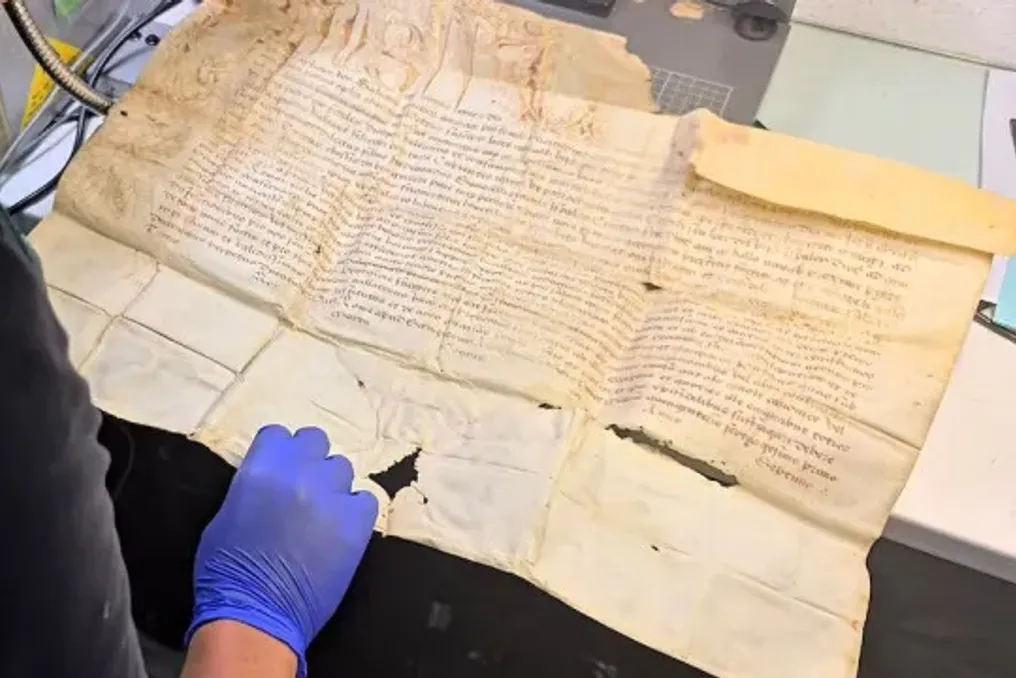
It was the analysis of these articles that allowed the Civil Guard to establish that a resident of El Viso del Alcor might have possessed this artifact. The suspect was questioned on September 2nd and voluntarily handed over the folded parchment, which he had kept in his home to the agents.

The man stated that he knew of the bull's historical value and decided to take it home for protection and preservation, without intending to gain any economic benefit.

After being seized by the Civil Guard, the document was transferred to the Provincial Historical Archive of Seville under the Junta de Andalucía. There, it underwent technical examination, which showed that it possesses material, paleographical, and graphic characteristics consistent with an original papal document from the second half of the 16th century, dating back to the reign of Pius V.

To complete the investigation, the Civil Guard also obtained a copy of the original record of the bull, stored in the Apostolic Archive of the Vatican. Comparing this documentation with the seized bull confirmed its authenticity and proved that it was indeed the bull whose trace had been lost for many decades.

Jaguar reveals electric Type 01; Porsche plans to unveil new supercar in Paris
Read more
flatout.com.br

Jaguar reveals electric Type 01; Porsche plans to unveil new supercar in Paris

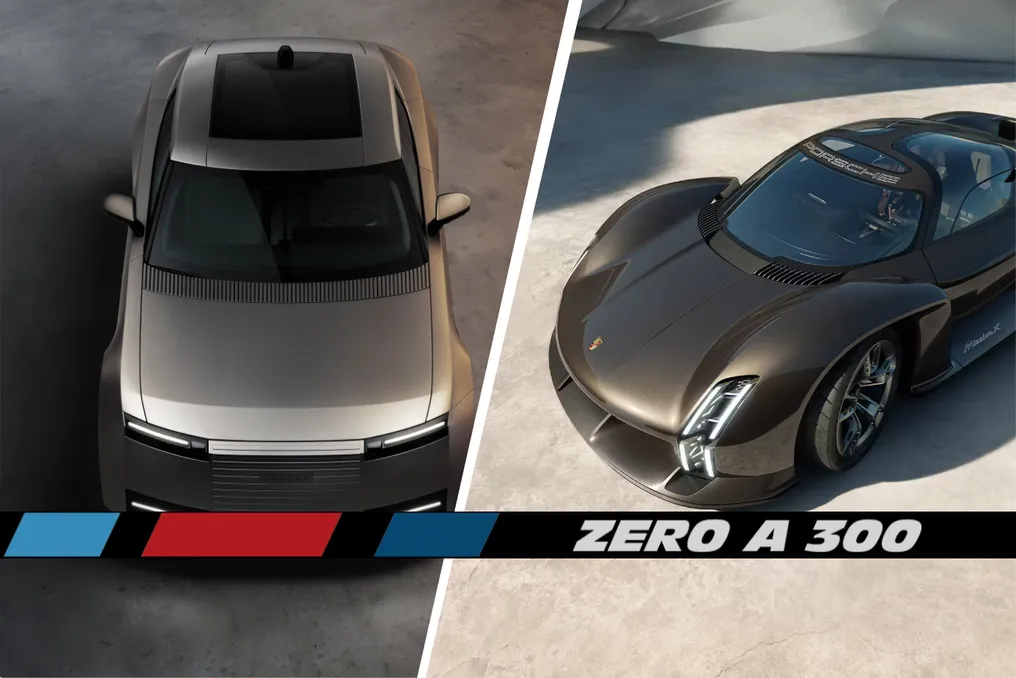
Jaguar has finally unveiled the Type 01, an electric grand tourer that symbolizes the brand's rebirth. This vehicle features a futuristic and minimalist design, distinct from any previous Jaguar model, to the point where it is difficult to identify without the manufacturer's emblem.

Although the Type 01 does not differ significantly from the concept version shown a year ago, elements have been added to make it more suitable for public road use, such as rearview mirrors, four doors, an expanded glass area, and a more functional interior. Jaguar maintained the characteristic design of the LED strip headlights and taillights.

Despite Jaguar suggesting that the name 'Type 01' refers to a classic British GT and references the brand's heritage, the current design does not resemble any previous Jaguar. However, the car presents a ready-to-drive concept look and attracts significant attention.

The interior, which had already been partially shown, maintains a horizontal architecture and a clean design. It features a two-spoke steering wheel and seats, along with a 24-inch screen that functions as the instrument cluster and multimedia center. There is also a smaller seven-inch vertical screen on the center console for air conditioning and audio control (with 38 speakers), and a third screen at the base of the windshield, called the ClearSight Rear View Display, which replaces the rear glass.

Jaguar's ambition is to compete with Bentley, but the minimalist design, despite using high-quality materials and excellent finishing, does not convey an aura of ultra-luxury, which is considered a bold approach.

Technically, the Type 01 uses three combined electric motors, generating 1,029 hp and 139.2 kgfm of torque, powered by an 118 kWh NMC battery with an 850V architecture. Jaguar assures a range of 644 km and the ability to fast charge from 10% to 80% in 22 minutes using the 350 kW system. Orders for the Type 01 will begin in early 2027, with deliveries expected in the second half of the year.

Popular