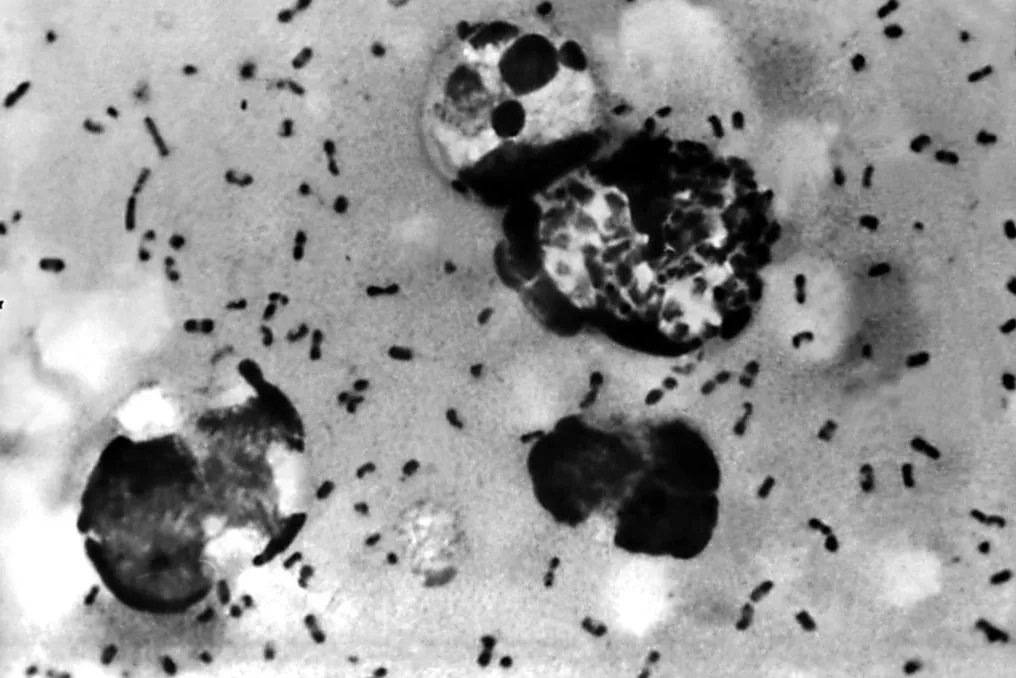
Recently, a 28-year-old research fellow died at a Russian institute specializing in the study of plague and dangerous pathogens, succumbing to pneumonia of unknown origin. This institute is located in Siberia, in Irkutsk, and several other individuals are currently under quarantine there.
The Russian agency for infectious disease surveillance, Rospotrebnadzor, minimized the link between the researcher's death and his work. Nevertheless, this case raised questions regarding the type of plague causing the pneumonia.
The US Department of State and the US Centers for Disease Control and Prevention stated that they are closely monitoring the development of the situation. The World Health Organization (WHO) reported on Monday that it contacted Russian health authorities to verify the incident, examine the tests being conducted, and assess potential consequences for global public health.
A WHO representative noted that, based on unofficial information, the risk to the general public is assessed as low, but this assessment will be updated as new data becomes available.
Pneumonic plague is a rare and fatal lung infection caused by the bacterium Yersinia pestis. Scientists consider this form of infection to be the most dangerous among all types of plague.
There are other forms of plague originating from Y. pestis that affect different parts of the body. The most common is bubonic plague, which often develops after a flea bite or when the bacteria enters through a cut or skin injury. This infection causes swelling and pain in lymph nodes and can progress to septicemic plague.
Septicemic plague affects the bloodstream, which can potentially lead to organ failure; it can also occur directly after a flea bite. Faccial plague attacks the throat after consuming infected meat.
Pneumonic plague is the only form of this bacterial infection that is transmitted directly from person to person. It spreads through respiratory particles expelled during coughing or sneezing, as well as through droplets from infected animals.
The last documented case of pneumonic plague transmission from person to person in the United States dates back to 1924 during an outbreak in Los Angeles.
With pneumonic plague, particles settle in the lungs and can trigger severe pneumonia, making breathing difficult. Symptoms may appear within 24 hours of infection. Other signs include fever, chills, headache, body aches, dizziness, weakness, fatigue, nausea, vomiting, and diarrhea.
Without treatment, the disease is almost always fatal. Doctors can treat plague with antibiotics over 10–14 days, most commonly using ciprofloxacin, levofloxacin, moxifloxacin, gentamicin, and streptomycin. Patients who take antibiotics within the first 24 hours of infection have the best chance of survival.
Doctors can also provide supportive care, offering supplemental oxygen, fluids, and encouraging rest.
Although plague vaccines have been used since the 19th century, it was unclear whether they provided protection specifically against pneumonic plague. The WHO does not recommend vaccination, except for high-risk groups such as laboratory personnel constantly exposed to the risk of infection.
According to infectious disease expert Dr. Tyler Evans, plague continues to exist today, even if people primarily know about it from the Bible or historical literature, or as a metaphor to describe broader disaster and poverty.
The infection known as the 'Black Death' in the 14th century claimed over 50 million lives in Europe. Although antibiotics have made it more manageable, it remains on every continent except Oceania. According to WHO data, most human cases have been recorded in Africa since the 1990s.
According to the CDC, the last case of death from pneumonic plague in the US occurred in Arizona in July 2025. A young man worked with sick cats and is believed to have contracted it from them. No one else who came into contact with the cats became ill.
Evans argues that the risk of plague is 'worsening due to environmental changes, especially due to the US withdrawal from infrastructure and public health measures.' He also notes that plague is relatively easy to diagnose, and that 'first and second-line antibiotics are very effective for this.'
Dr. Rutul Dalal, an infectious disease physician at Penn State Health St. Joseph Medical Center, emphasizes that the rapid onset of illness with pneumonic plague can slow down potential spread. He states that it is extremely difficult for a person to walk or perform daily activities, let alone travel. Symptoms can appear as early as 24 hours after exposure.
Dalal added that since there are no direct flights between Russia and the US, by the time an infected person arrives in the US, they will likely already be showing symptoms. He called for caution, reminding that the world has become a small village, but the current situation does not reach the scale of the Covid pandemic.
The WHO advises people around plague patients to avoid direct contact with the sick and to exercise caution when coming into contact with infected bodily fluids. Workers caring for patients with pneumonic plague should use standard protective equipment and may receive prophylactic antibiotics. In case of contact, health authorities will also monitor the patient's family members and other close contacts, prescribing antibiotics before symptoms appear, and recommending regular hand washing with soap and water.