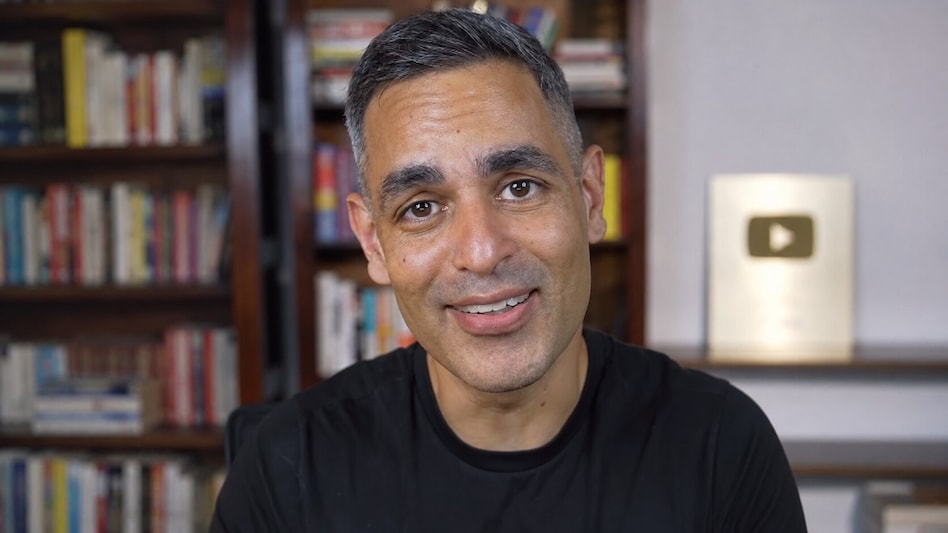
Many employees feel strong when they are noticed while working, but according to Ankur Variku, such trust can turn into a disadvantage for career growth. He shared observations about work processes in a LinkedIn post that, although seemingly positive for employees, can slow down their professional development. He highlighted five aspects that often create problems for high-performing specialists.
These aspects include overloading employees with excessive work, receiving little feedback despite high productivity, resistance to new and risky ideas, the influence of office politics, and increased attention given to those who openly assert their demands.
In any team, there is an employee whom colleagues constantly ask to look at or take on additional tasks. One job follows another, and then a third, because the manager trusts this employee. However, Ankur Variku believes that if you perform your duties well, you will constantly be assigned more work, which sometimes becomes the reason for being burdened with extra responsibilities due to your own competence.
HR experts note that the problem is not in the trust itself. The real difficulty arises when an employee's diligence is simply taken for granted.
Ankur discussed the second problem related to receiving feedback. He recalled a time when he asked his boss for feedback and received the response: 'You do a good job.' While such a comment is pleasant, it does not give the employee an understanding of what exactly they can improve in the future. Simply stating that the work is good is insufficient; the employee needs to know their strengths, areas needing improvement, and the steps required to reach the next level.
Quietly doing quality work and demonstrating its results are two different concepts. According to Variku, many organizations are reluctant to embrace high-risk ideas. At the same time, employees who openly state their needs and demands often attract more attention. Anil Agrawal, co-founder and CEO of the HR and recruiting company InCruiter, also noted that being reliable is not a barrier to a career, but reliability must be combined with demonstrating one's work. He advised employees to keep track of their activities, present their contributions with data, and achieve what they deserve.
Many employees believe that if their boss constantly assigns them tasks, it is a sign of trust. While this may be true, receiving more responsibilities does not always mean career growth. If increased workload is not accompanied by a salary increase, promotion, recognition, or new opportunities, the employee should discuss their situation. According to HR expert Srishti Nardjari, highly effective employees often receive more responsibility instead of proper recognition. In such cases, the employee does not need to become less reliable; they need to actively present their contributions and advocate for their interests.