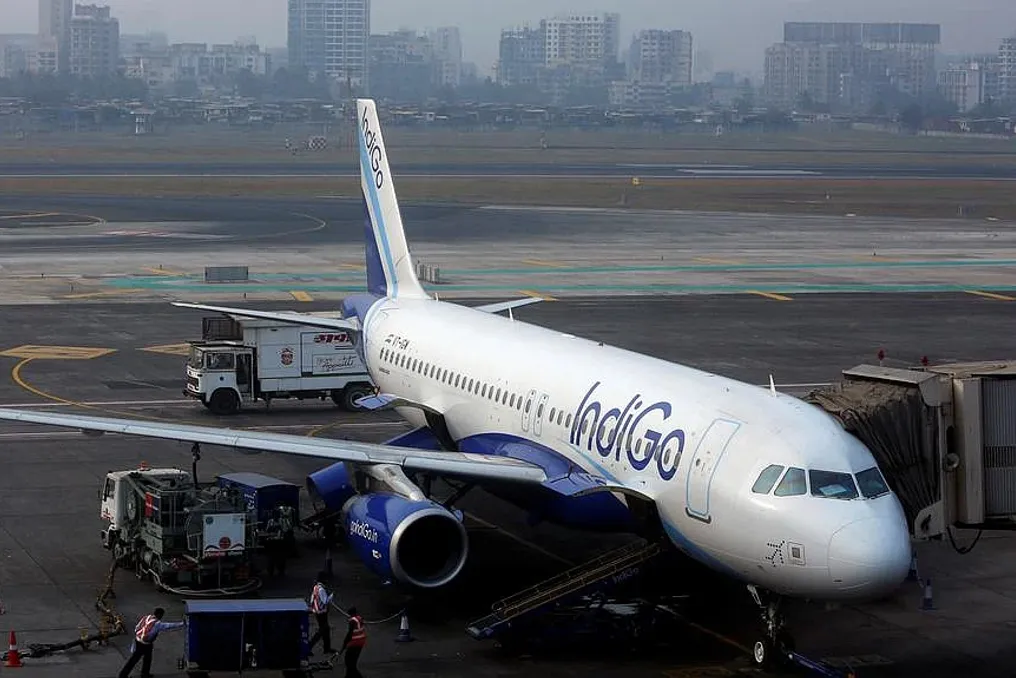
Passengers traveling between the United Arab Emirates (UAE) and India with the airline IndiGo may face increased ticket costs after the airline adjusted its fuel surcharge, which took effect on October 6th.
Travel agents note that the price hike will not be uniform for all passengers. Although the fuel fee has increased, the final ticket price depends on the base fare, travel date, demand, and available seats.
According to agents, the overall increase could be around 200 dirhams per passenger on some routes, but the exact amount will vary.
Barat Aidasani, managing partner at Pluto Travels, stated that 'the trip cost could increase by approximately 200 dirhams per passenger. For a family of four, this would be an additional 800 dirhams.'
For solo travelers, the increase might seem minor, but for families purchasing multiple tickets, the extra costs can accumulate quickly. Air ticket prices are constantly changing, and even on the same route, passengers may see different fares depending on the booking time and remaining seat availability.
Taha Siddique, manager at Siddique Travels, explained that 'for UAE-India routes, the fuel component has risen, but what the passenger ultimately pays can differ because the base fare also changes constantly. The fuel surcharge is fixed, but the final ticket price can still change due to fluctuations in the base fare based on the route, travel date, and demand.'
He added that because of this, two passengers booking the same route on different days might see very different prices. Therefore, passengers should pay attention to the final ticket cost rather than assuming that any IndiGo fare has increased by the same amount.
Aidasani noted that passengers heading to South India might feel a stronger impact, especially during periods of reduced seat availability on certain routes. He also mentioned a slight reduction in flight frequency, leading to less seat supply compared to the past, although he expects the situation to change.
When seats become scarcer, fares can rise faster, particularly on high-demand routes. The impact becomes noticeable when a family travels together. Subair Tekepuratkhwallapil from Wisefox Travel and Tourism emphasized: 'For one passenger, the increase might seem small, but for a family of four traveling round trip, it adds up. During peak travel periods, when fares are already high, passengers will feel it more strongly.'
He also noted that it is too early to judge a strong passenger reaction since 'the review has just begun, and we have not received complaints. Most passengers look at the total cost, not individual charges.'
Travel agents believe it is difficult to predict how long higher fares will last, as prices depend on numerous factors, including demand, seat availability, and flight frequency.