The seven deadly sins are not listed in the Bible, but rather resulted from a long development of Christian spirituality, which began around the 4th century. The structuring of these seven items is credited to Pope Gregory I, who introduced them in his work Moralia in Job, a commentary on the Book of Job.
The list took the form we know today thanks to Thomas Aquinas, who organized it in the Summa Theologica. He established pride, not vanity, as the first of the capital vices. This tradition later spread through preaching, art, and notable works, such as Dante's Divine Comedy, which structures Purgatory based on these vices.
The word derives from the Latin 'caput,' meaning 'head.' The term 'capital' does not imply that the vice is more severe than the others, but rather that it serves as the origin for other sins, just as a head directs the body. It is essential to differentiate between a capital sin and a mortal sin; the latter is one that breaks the connection with God and requires full awareness, grave matter, and deliberate consent. A capital vice can culminate in mortal or venial acts, depending on the circumstances.
In its strict sense, these 'sins' are defined as vices, meaning habitual tendencies of the soul, and not mere isolated acts. For each vice, tradition points to a corresponding virtue to combat it: humility against pride, generosity against greed, chastity against lust, patience or meekness against anger, temperance against gluttony, charity against envy, and diligence or zeal against laziness.
Although Judaism and other religions have their own concepts of sin, the tradition of capital vices is specific to Christianity. Orthodox Churches maintain the heritage of earlier authors, such as Evagrius and Cassian. In Protestantism, the list is widely known and culturally used, but it does not possess the same doctrinal weight found in Catholic theology.
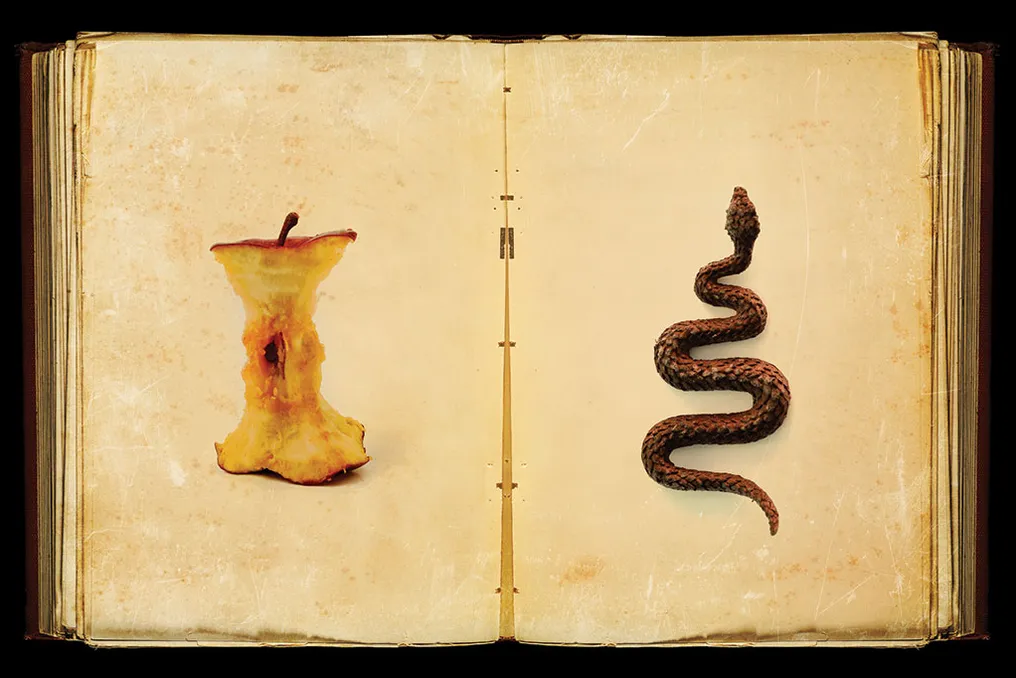
In Christian theology, pride is seen as the root of all moral defects, being the 'queen' that governs them. It manifests itself by trying to place oneself in God's place, refusing to depend on Him. Augustine and Thomas Aquinas identify in it the cause of the fall of Adam and Eve, who, according to the biblical account in Genesis, disobeyed by consuming the fruit of the tree of knowledge of good and evil after being tempted by the promise 'to be like God.' Technically, the 'original sin' is not the act committed by Adam and Eve, but rather the vulnerability that humanity inherited from this first disobedience, as taught by Catholic doctrine.