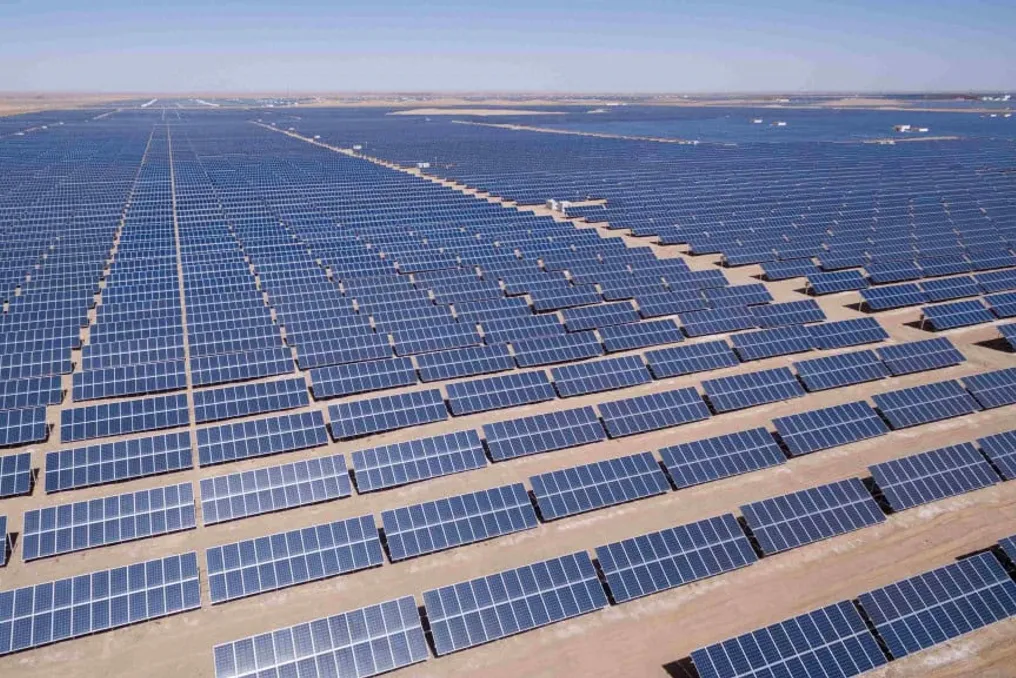
Solar panel manufacturers in the United States are developing a new technology capable of boosting the energy generation of existing devices by up to 25%. This technology, called solar tandem, combines two or three layers of materials for more efficient utilization of solar radiation and is approaching commercialization.
Companies such as Tandem PV, First Solar, and Hanwha Qcells report being close to launching initial models after technical testing and certification. This progress occurs in a sector where China controls about 80% of the global solar panel market, both directly and through its components. This information was obtained by The New York Times.
The tandem technology involves adding extra layers of materials to traditional solar cells, which typically use only a single layer of silicon. This structure allows different materials to capture different parts of the solar radiation, thereby increasing the amount of electricity produced.
Qcells, a South Korean company that acquired the German manufacturer Qcells in 2012, is testing its panels in laboratories in Germany, as well as in open fields in the US, Australia, Cyprus, and South Korea. These devices are subjected to various conditions to verify their durability, including exposure to LED lamps and tests using pieces of ice dropped onto the panels, simulating hail. The goal of these tests is to ensure that the devices maintain their performance over the expected service life of 20–30 years.
Fabian Fertig, who is responsible for R&D of tandem panels at Qcells, explained to the NYT that stability is one of the key factors that must convince energy companies, investors, and financial institutions to invest in this technology.
Despite the potential for higher generation, tandem panels still face a serious obstacle—cost. Some estimates suggest they could cost three to three and a half times more than standard panels. According to a report by the Solar Energy Industries Association, the purchase and installation cost of standard panels for solar power plants in the United States ranges from $0.93 to $1.06 per watt. The price difference could be a decisive factor in adopting the new technology, especially considering the prices set by Chinese manufacturers.
Andres Glusky, CEO of the energy company AES, told the newspaper that cost will be crucial in determining the success of tandem panels. China's production capacity also poses a challenge for manufacturers from other countries.
Another point requiring attention is the degradation of panels over time. Energy companies tend to be cautious when implementing new technologies, especially when equipment is expected to function for decades. Tandem PV from California claims that it tested its panels under various conditions in the United States over the past year and recorded an annual degradation of less than 1%, according to its CEO Scott Wharton.
Qcells became the first manufacturer to independently certify a tandem panel according to standards set by Underwriters Laboratories and the International Electrotechnical Commission.
In addition to increasing electricity generation, tandem panels can allow solar power plants to generate the same amount of energy using less area and fewer materials. Industry experts suggest that the equipment could reach a power coefficient above 31%, while the average figure for solar power plants in the United States is around 24%.
This progress is happening during a period of growing electricity demand in the country. According to the Energy Information Administration, in 2025, solar energy provided nearly 9% of the electricity generated in the United States, compared to 3% in 2020. For manufacturers from the North American country, developing this technology before Chinese companies reach a similar level could help restore their position in the industry. However, widespread adoption will depend on costs and independent tests confirming the reliability and longevity of the new panels.