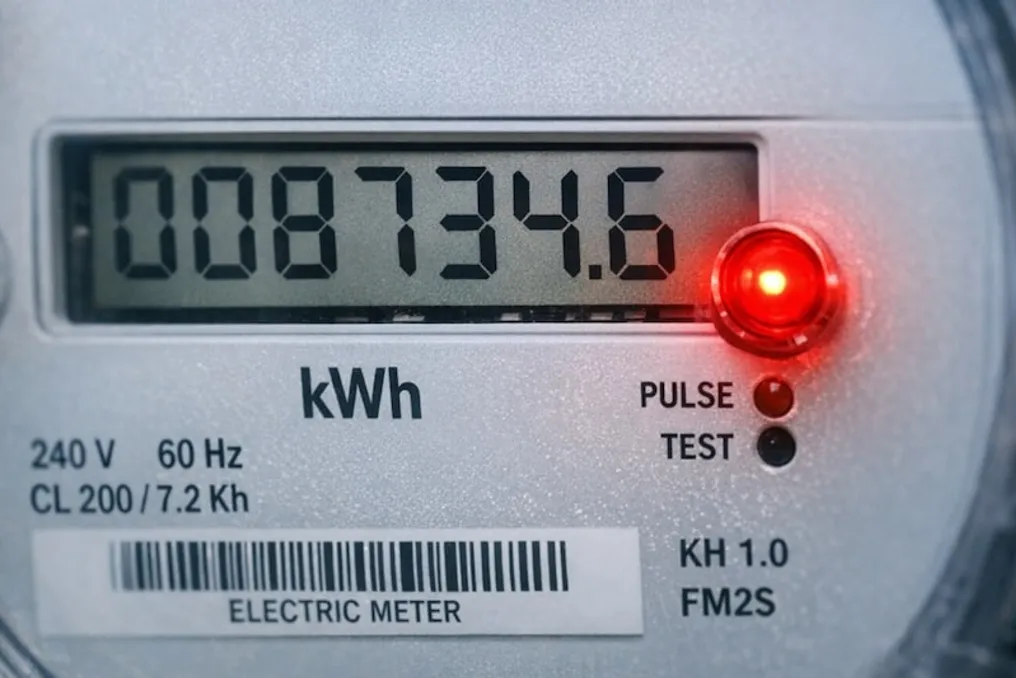
There is a possibility of an increase in the electricity bill due to a single error, even if consumption matches actual needs. This error leads to additional charges being added to the bill, which may go unnoticed during a quick review, resulting in overpayment.
This issue is related to high load. When electricity consumption exceeds the established connection capacity, the bill can increase. Often, the situation arises when the number of household appliances in a home increases, but owners forget to request an increase in the permitted connection capacity.
Due to the mismatch between actual usage and permitted load, the energy supplier may issue a higher bill. It is important to understand that the calculation for electricity connection considers not only the amount of units consumed per month but also the connection capacity itself, which determines the maximum electrical capacity your contract is designed for. Rules and tariffs related to load vary across different states.
Simply put, you must consume electricity within the kilowatt capacity assigned to you. Exceeding this limit can lead to the necessity of paying larger sums.
Imagine that your home's connection is 3 kilowatts. You install air conditioners, water heaters, microwave ovens, washing machines, and other powerful devices in the house. If the use of these appliances causes the load to constantly exceed the permitted connection limit, it may be considered by the energy service as an additional load. However, this does not mean that a fine will be imposed immediately if more than 3 kilowatts were used once on the connection. The rules provide various provisions depending on the state and connection category.
For example, in Haryana, no surcharge is applied up to 110 percent of the established load. For consumption in the range of 110 to 115 percent, a surcharge of 20 percent on the total electricity bill applies, and for consumption above 115 percent, a surcharge of 25 percent applies. If the consumer's permitted capacity is 5 kilowatts, 110 percent corresponds to 5.5 kilowatts. Exceeding this value may incur additional fees according to current regulations.
In such a situation, the cost per unit of consumption will not change, but fixed payments and surcharges may increase. Additional amounts may be added to the 20 or 25 percent surcharge depending on usage, leading to an increase in the total electricity bill. These rates and calculations for price increases may differ in each state, and this information should be clarified with the local energy supplier.
If the electricity demand in the house constantly exceeds the established capacity, requesting an increase in capacity may be a more reasonable solution. It is generally considered that with excessive load usage on a 5-kilowatt connection, the electricity bill may increase by up to 20 percent. If increased load is observed monthly, it is recommended to apply for a connection with a larger phase or greater capacity, as this will be a more economical option.