According to a World Bank report, East Asian and Pacific economies risk depleting their reserves while attempting to mitigate the effects of an energy shock that is forecast to last until next year.
The World Bank noted that governments in the region responded more decisively than their counterparts elsewhere, as the war between the US and Iran led to rising global energy prices. However, they largely relied on subsidies.
The Bank believes this approach may prove 'unsustainable,' forecasting that Middle Eastern oil exports will not return to pre-conflict levels until mid-2027. It added that such measures might only postpone necessary behavioral changes if the shock proves prolonged, and they impose fiscal costs and reduce foreign exchange reserves.
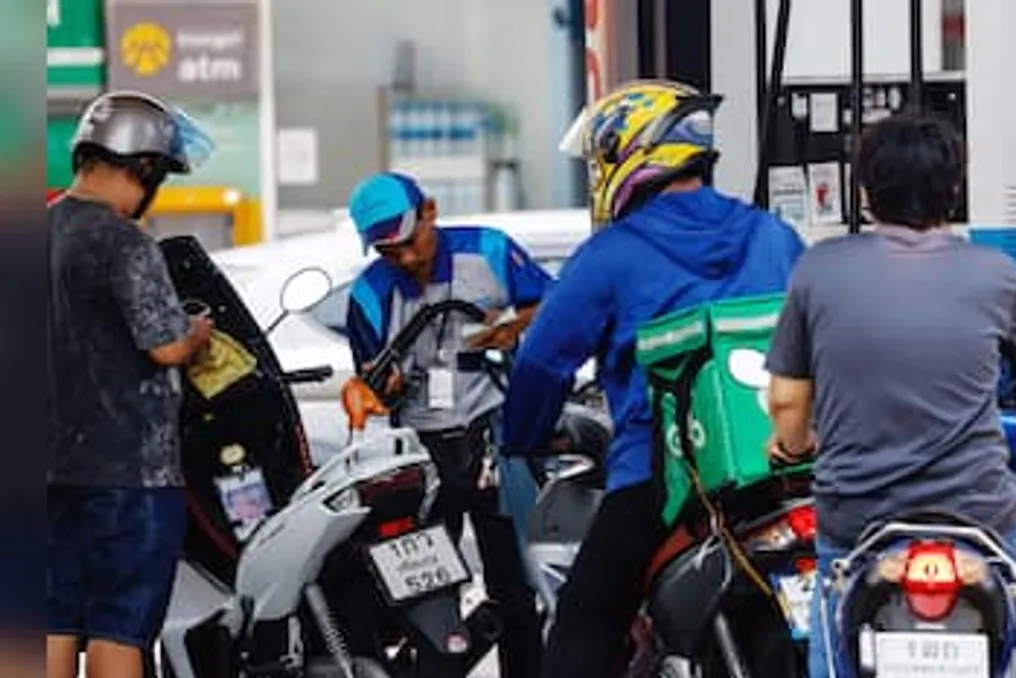
The World Bank cited Indonesia, Thailand, and Vietnam as examples, which took steps to curb retail gasoline prices and consequently depleted their dollar reserves by 15%–40% this year.
Currently, energy risks are offset by what the bank calls 'artificial intelligence support.' It forecasts growth in East Asia and the Pacific region at 4.5% this year, which is 0.3 percentage points higher than the previous forecast. This growth is largely driven by strong investments and exports stimulated by the AI boom. The growth forecast for next year remains unchanged at 4.4%.
However, the World Bank warns that a longer energy shock could jeopardize this stability, especially if it coincides with a downturn in the AI cycle and weather disruptions due to El Niño. Higher energy costs have already negatively impacted production, and rising transportation prices have hit consumer demand.
The Bank concludes that the resumption of energy price increases could be more damaging to economic activity than initially assumed, particularly against the backdrop of increased pressure from higher inflation and tighter financial conditions.