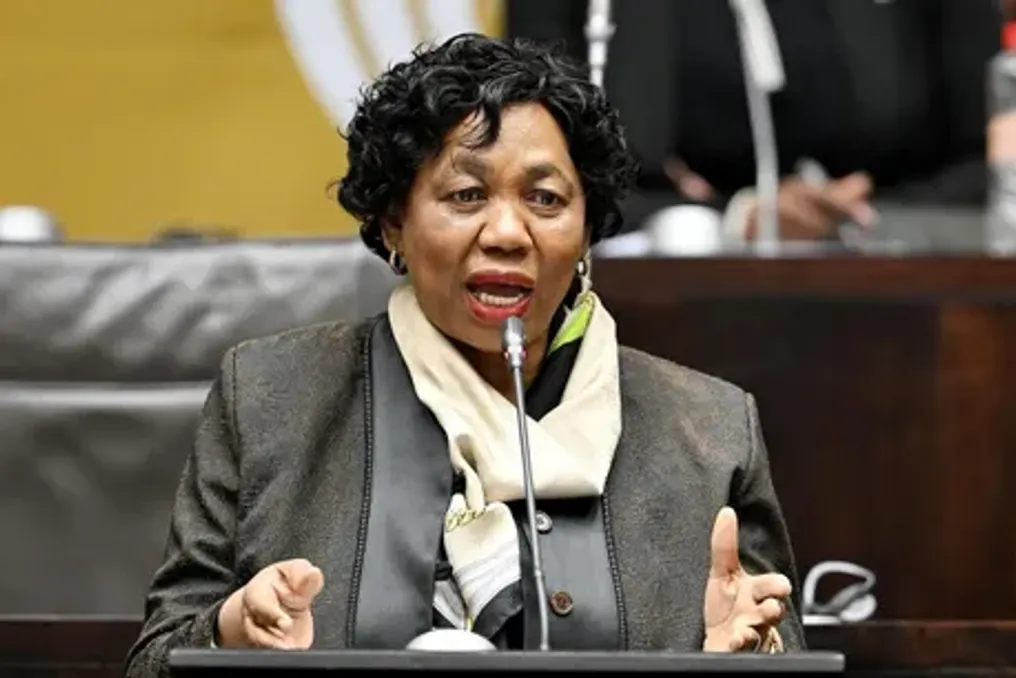
Defence Minister Angadi Motshekaga stated that the South African National Defence Force (SANDF) spent R2.4 billion on charter flights over five financial years. Consequently, the Democratic Alliance (DA) is demanding a detailed breakdown of these expenditures.
The department presented the total cost of charter flights amounting to R2,395,521,275 for the period from the 2021/22 to the 2025/26 financial year. The expenses were distributed as follows: R15,492,850 in 2021/22, which increased to R753,797,591 in 2022/23. In 2023/24, the amount was R622,790,063, in 2024/25 it was R629,043,694, and in 2025/26 it was R374,937,076.
The DA asserts that two recent parliamentary responses do not contain the requested detailed information, even though the department confirmed the existence of relevant records.
Explanation of SANDF Charter Flight Expenses
Motshekaga explained that chartered aircraft were used to carry out various operational tasks. These include access to remote areas, medical evacuation, peacekeeping and regional missions, disaster relief, VIP transport, military training, and urgent operational deployments.
She also mentioned that charter flights were necessary due to the unavailability of commercial flights and the need to ensure the confidentiality of military operations. The department reported that charter flights were procured through various mechanisms, including standard travel management agreements, supply chain deviations, and emergency or operational procurements.
The DA had requested the number of flights and costs for each financial year across all these procurement mechanisms. Furthermore, a breakdown by operational categories and the number of deviations exceeding R1 million, R5 million, and R10 million was requested. The department stated that it is currently reconciling its records to ensure accurate accounting and prevent double counting, including instances where one flight might serve multiple operational functions.
DA's Queries Regarding Missing Data
The DA spokesperson on defence and veterans, Chris Hattings, stated that the missing information is necessary for proper scrutiny of the expenses. Hattings strongly criticized Minister Motshekaga's position, stating that she should not hide behind bureaucratic excuses while R2.4 billion of public money remains unexplained. He emphasized that the citizens of South Africa deserve answers, not evasion.
Hattings noted that the department's responses only contained general explanations of procurement processes and operational needs, but the figures needed to establish how the funds were spent remained outstanding. He also questioned the lack of a set completion date for the reconciliation process.
Additionally, the DA found a discrepancy of R540,000 between the annual figures and the total amount declared by the department. Hattings demanded that the Minister explain this difference and provide verified data, stating that either the department is negligent in handling public funds or deliberately concealing the truth, which is unacceptable.
The DA also pointed out that the received responses did not specify how much was spent through procurement deviations or whether any expenses were irregular. Hattings reported that the party will submit additional written questions demanding verified figures, a clear deadline for completing the reconciliation, and the identification of the official responsible for this process. He insisted that the Minister is obliged to provide Parliament with a full and accurate report on the expenditure of these funds.