Genome study shows no Indigenous admixture among old Montreal residents
Read more
N+1
nplus1.ru

Genome study shows no Indigenous admixture among old Montreal residents

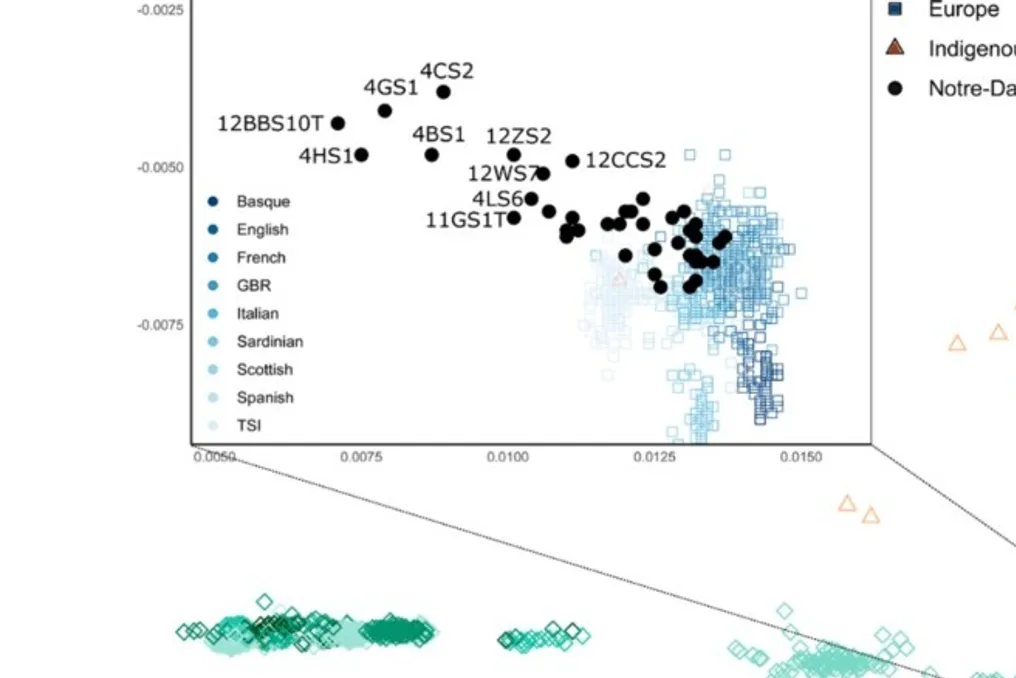
Danish and Canadian researchers have completed a genomic study of human remains buried at the historic Notre-Dame Cemetery in Montreal between the 17th and 18th centuries. The analysis was conducted on 45 individuals.

The study results demonstrated that all analyzed individuals belonged to European populations. Geneticists found no traces of admixture with the indigenous population of the Americas in the DNA of these people.

These findings cast doubt on previously held information regarding intermixing between the French who arrived in the New World and local Native Americans. This information was published in the scientific journal Proceedings of the National Academy of Sciences.
Similar stories

Geneticists sequenced DNA of people from elite burial mounds of the Unetice culture in Poland
Read more
nplus1.ru

Geneticists sequenced DNA of people from elite burial mounds of the Unetice culture in Poland

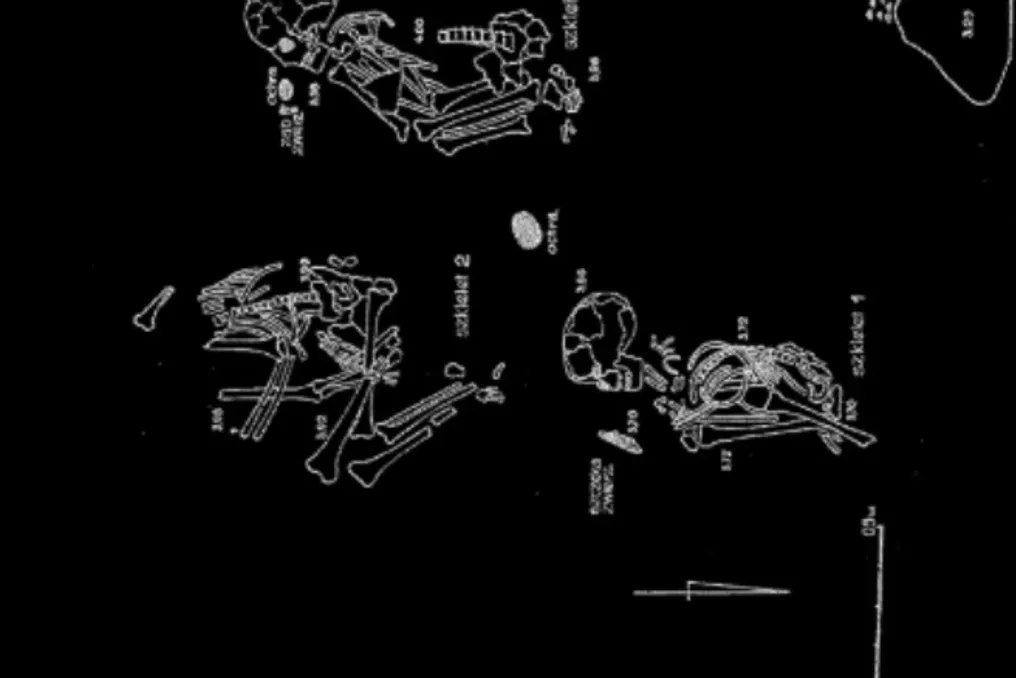
Paleogenetics specialists analyzed the DNA of five individuals buried in elite burial mounds belonging to the Unetice culture. These findings were made on the territory of present-day Poland.

The study established that one of the mounds, erected over four millennia ago, contained the body of an adult woman. Her burial was accompanied by the presence of one or more bones of her father, as well as two brothers, one of whom was half-brother.

The results of this scientific work are presented as a preprint posted on the Research Square platform.

Geneticists from Novosibirsk studied the DNA of a representative of the Afanasev culture
Read more
nplus1.ru

Geneticists from Novosibirsk studied the DNA of a representative of the Afanasev culture

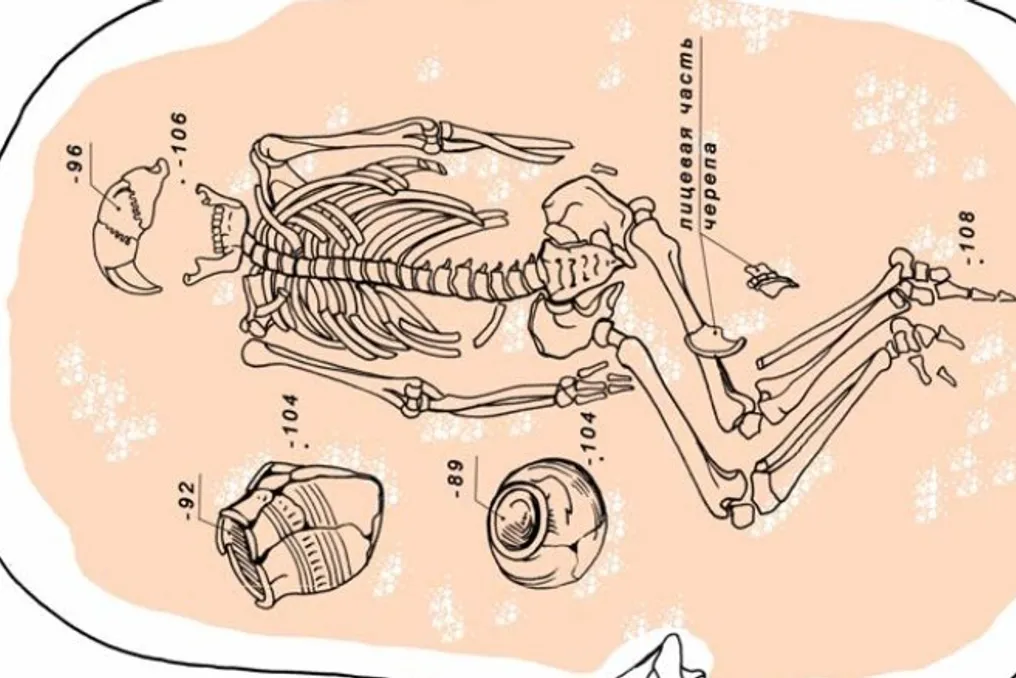
Geneticists from Novosibirsk sequenced and conducted a detailed analysis of the DNA of an individual belonging to the Afanasev culture. This person was buried about five thousand years ago in the territory of the Altai Mountains.

The study allowed researchers to determine that the remains belonged to an adult male. It was confirmed that he carried mitochondrial haplogroup T1, which is widely distributed in Western and Central Eurasia. Furthermore, Y-chromosome analysis showed the presence of haplogroup R1b-M269, indicating a low level of diversity among the paternal lines of the Afanasev people.

The results of this scientific study were presented in an article published in the journal 'Problems of Archaeology, Ethnography, Anthropology of Siberia and Adjacent Territories.'

Popular