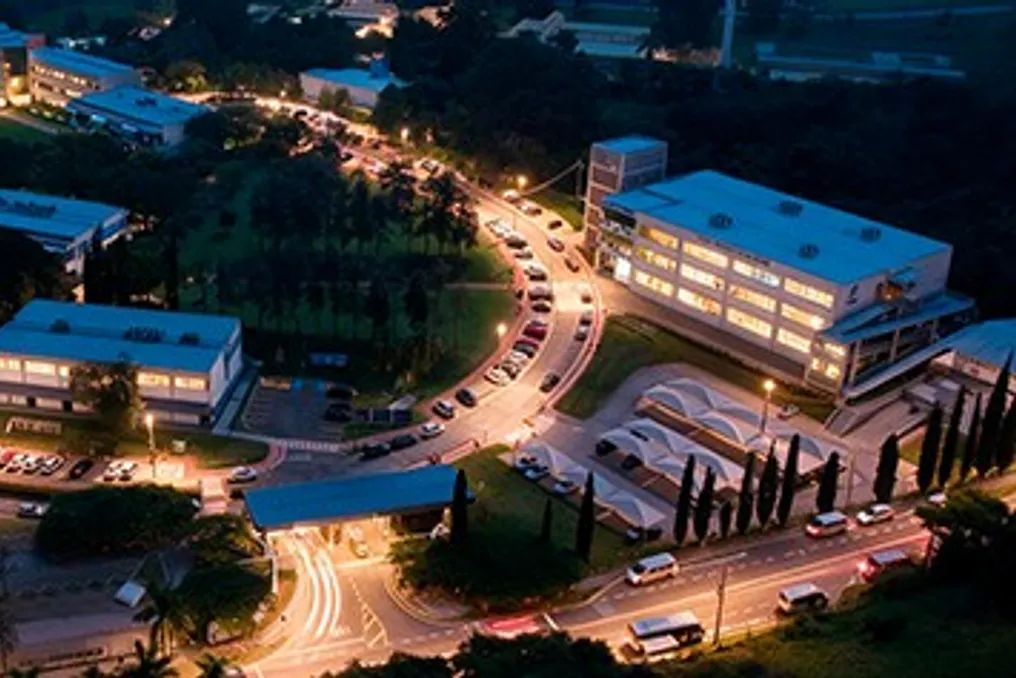
UniFacens, an institution about to celebrate its fiftieth anniversary, combines theoretical knowledge with practice, resulting in an academic employment rate of 90%. Given the rapid evolution of new technologies, professions, and skills, the university focuses on offering an educational experience that keeps pace with these changes and prepares professionals for current and future challenges.
The institution maintains a close relationship with various organizations from different sectors. This contact aims to understand market transformations, their specific needs, and fundamentally, to identify which skills are most valued and what deficiencies persist in student preparation.
The market as part of the education
Active listening to organizations is crucial for improving UniFacens' academic model. The knowledge and perceptions gathered from these companies help align teaching with professional reality, providing students with experiences that go beyond theory.
In practice, this means equipping the student not only with technical knowledge but also with essential competencies for the corporate environment, such as problem-solving ability, critical thinking, leadership, communication, innovation, and decision-making. Interaction with various sectors allows the student to better understand the demands and challenges of daily professional life, broadening their career vision and understanding the practical application of what they learn in the classroom.
Real-world experiences on campus
This connection manifests in multiple ways. The presence of large companies on campus facilitates proximity between students and professionals, generating opportunities for training, projects, and direct contact with different market realities.
Partnerships established with entities such as Huawei and Trina Solar, combined with a network covering more than 50 partner companies and sponsored rooms, reinforce this ecosystem. This ensures that the student interacts with different institutions and professionals throughout their academic journey.
The Innovation Spaces complement this proposal. Among them, the UniFacens Entrepreneurship Center (FACE) stands out, a place where the community and students find ways to turn ideas into businesses, startups, or viable projects. Through mentoring, ideation programs, pre-acceleration, and connections with the entrepreneurial ecosystem, FACE stimulates the development of crucial aptitudes for the contemporary scenario, such as creativity, logical reasoning, and leadership. Besides promoting the exchange of knowledge, it fosters collaborative work and experimentation, creating a safe environment to test and refine new concepts.
The Socio-Forming Program intensifies the participation of organizations in student development. This initiative allows partners to present real challenges, monitor academic work, and establish a more intimate technical interaction with professors and students. Thus, students experience scenarios analogous to those of their future profession, developing both technical and behavioral skills.