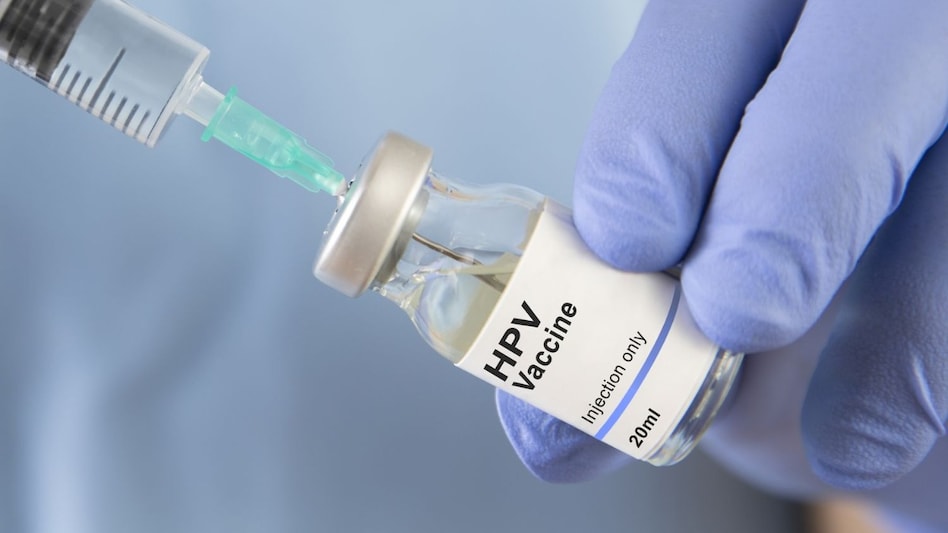
The World Health Organization (WHO) has granted preliminary qualification approval for the Indian cervical cancer vaccine Cervavac. This means that the vaccine is recognized internationally as safe, effective, and high-quality. The vaccine was developed by the Serum Institute of India and protects against four strains of human papillomavirus (HPV), which causes cervical cancer, significantly reducing the likelihood of developing this disease.
The Government of India has also included HPV vaccines in its cervical cancer immunization campaigns. Having received WHO approval, this vaccine can reach many other countries around the world. Cervical cancer is caused by the human papillomavirus (HPV). In India, cervical cancer is one of the most common forms of cancer among women after breast cancer. Currently, this type of cancer affects women aged 20 to 30, and in many cases, it is detected at early stages, making vaccination an extremely useful preventive method.
What is the Cervavac vaccine?
Cervavac is designed to provide protection against four types of HPV: 16, 18, 6, and 11. HPV 16 and 18 are considered the main types associated with cancer risk, while HPV 6 and 11 are mainly associated with genital warts. Women who receive this vaccination upon a doctor's recommendation can prevent cervical cancer caused by the HPV virus. According to WHO data, the risk of developing this cancer is reduced by up to 90 percent in women vaccinated between the ages of 9 and 14.
What are the advantages of WHO approval?
Obtaining approval from the WHO simplifies the procurement process for this vaccine for various countries and global health programs. This increases the potential for worldwide distribution of the Indian HPV vaccine. However, this does not guarantee immediate availability of the vaccine in all countries; the governments and healthcare systems of each individual country must independently make decisions regarding their immunization programs, age, dosage, and procurement.