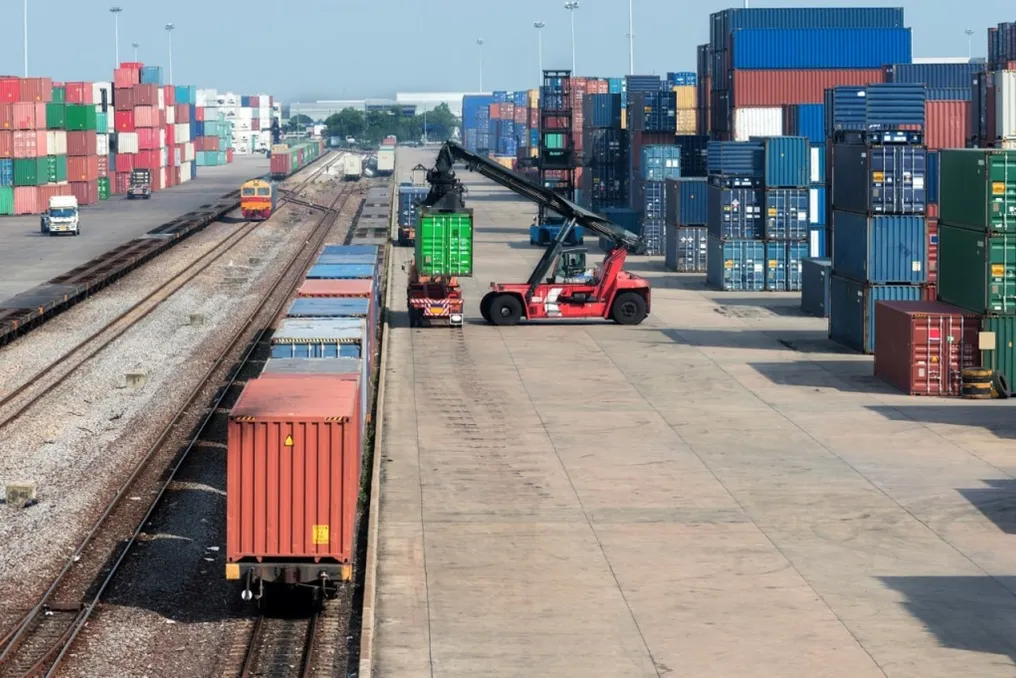
Uzbekistan's foreign trade deficit reached $11.7 billion for January-August 2026
Read more
Podrobno.uz [uz]
podrobno.uz

Uzbekistan's foreign trade deficit reached $11.7 billion for January-August 2026

The negative balance in Uzbekistan's foreign trade for the period from January to August 2026 amounted to $11.7 billion. This deficit arose against the backdrop of a 16.3% increase in imports and a simultaneous 3.4% decrease in exports compared to the same period last year.

According to data from the National Committee on Statistics, over eight months, the country imported goods and services totaling $34.5 billion. Meanwhile, exports reached $22.9 billion, resulting in a total foreign trade turnover of $57.4 billion, demonstrating a growth of 7.6%.

China remains Uzbekistan's largest trading partner, accounting for $13.2 billion in turnover, which is 23% of the total trade volume. Russia is in second place with a volume of $9.2 billion (16%). Significant trade ties are also maintained with Kazakhstan ($3.7 billion), Turkey ($1.9 billion), and Afghanistan ($1.4 billion).

Structurally, machinery and transport equipment predominantly form Uzbekistan's imports, amounting to $11.3 billion, or 32.3% of the total volume. Among these items, $2.8 billion is allocated to automobiles and auto components.

In January-July, Uzbekistan imported 65.9 thousand passenger cars from 29 different countries worth $920.4 million. Electric vehicles accounted for a significant share of these shipments—46.7 thousand units—with China being the main supplier of cars, from which 63 thousand vehicles were imported.

The breakdown of imports by product type shows that industrial goods totaled $5.1 billion, chemical products amounted to $4.2 billion, and food and live animals accounted for $3.7 billion. Additionally, $2.8 billion was spent on mineral fuels and lubricants, and $4.6 billion was spent on services imports.

China remains the main source of imports, supplying goods worth $11.2 billion (32.4% of the total). Russia contributed $6 billion, and Kazakhstan contributed $2.7 billion.

Reasons for Export Reduction

The reduction in exports was primarily due to a sharp drop in non-monetary gold supplies. For January-August 2026, non-monetary gold exports amounted to $2.8 billion, significantly less than $8.3 billion for the same period in 2025. Thus, gold exports fell by approximately $5.5 billion, or 66.3%.

Nevertheless, if gold is excluded, merchandise exports showed a growth of 28.7%, reaching $11.5 billion. Service exports also increased substantially by 33.8%, rising from $6.4 billion to $8.5 billion. Of this amount, $4.6 billion was for travel, and another $2.6 billion was for transport services.

Among commodity items, textile product exports showed the largest growth, increasing by 26.9% to reach $2.1 billion. 1.44 million tons of fruit and vegetable products were sent abroad worth $1.18 billion. Overall, Uzbekistan maintained trade relations with more than 200 countries from January to August.
Similar stories

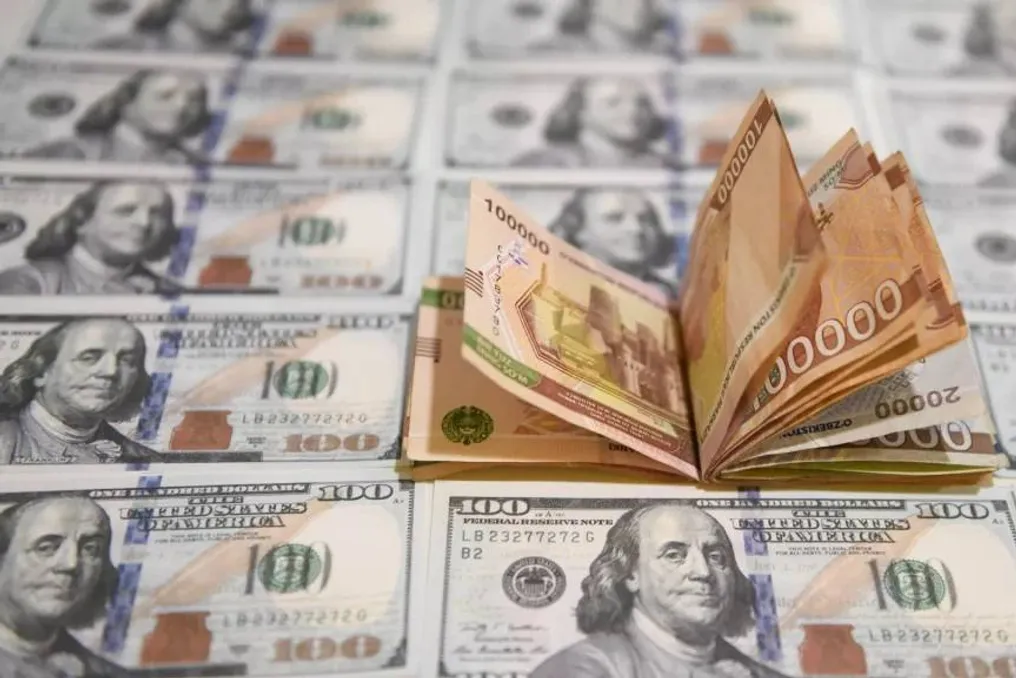
Uzbekistan's external debt for the first half of 2026 exceeded $84 billion
Read more
podrobno.uz

Uzbekistan's external debt for the first half of 2026 exceeded $84 billion

According to the Central Bank, Uzbekistan's total external debt as of the end of the first half of 2026 reached $84.1 billion. Over the past year, this indicator showed an increase of $11.9 billion, which is an increase of 16.5%.

At the beginning of July, the state external debt amounted to $41.7 billion, while corporate debt was estimated at $42.4 billion. Compared to the previous year, the total debt level was at $72.2 billion. During this period, state debt increased by $4.9 billion, and corporate debt increased by $7 billion.

The Central Bank specified that the corporate external debt includes loans from the private sector that do not have state guarantees. In this case, the state is not responsible for such obligations; payments are made by the enterprises and banks themselves.

The regulator also refers to the International Monetary Fund's assessment, which notes that Uzbekistan's debt burden remains low, and most of the attracted funds were obtained on favorable, preferential terms.

It was previously reported that at the end of the second quarter of 2026, Uzbekistan's state debt reached $48.3 billion. Of this amount, $40.7 billion was due to external obligations, and the remaining $7.6 billion was domestic.

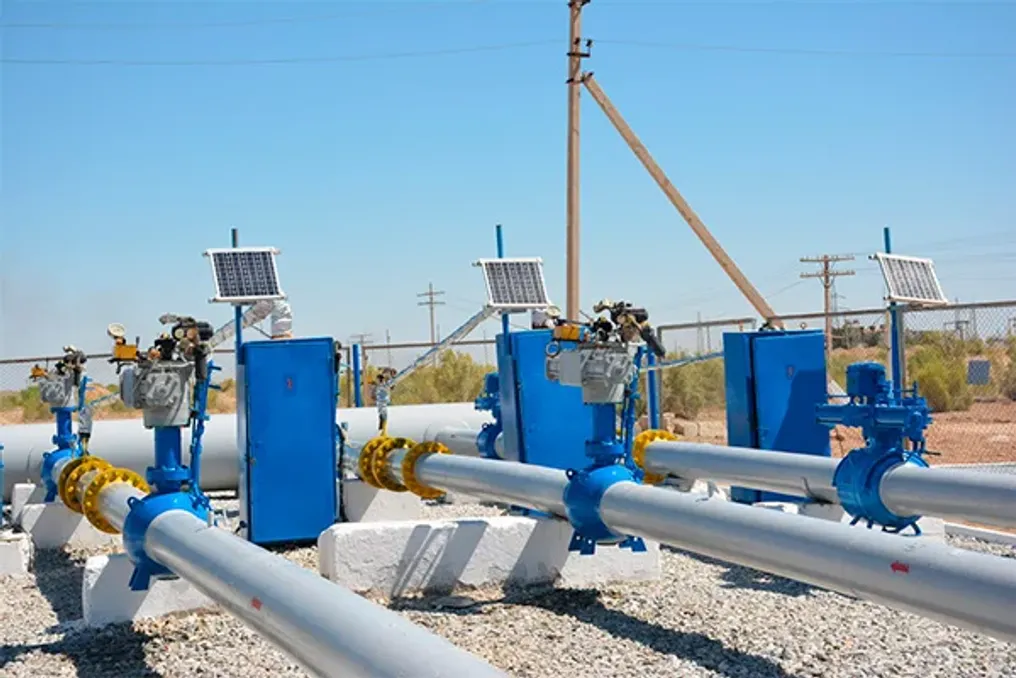
Uzbekistan reduced gas exports by 34.8% and increased imports
Read more
uzdaily.uz

Uzbekistan reduced gas exports by 34.8% and increased imports

Uzbekistan's export of natural and artificial gas from January to August 2026 amounted to 322.3 million US dollars, which is 34.8% less than in the same period of 2025.

According to data from the National Statistical Committee of the Republic of Uzbekistan, gas imports reached 1.22 billion dollars for the same period, showing an increase of 15.2%. Among imported liquefied gas, including propanol, there were 124.3 million dollars, a threefold increase.

Exports of oil, petroleum products, and similar materials grew by 46.3%, reaching 593.1 million dollars. Imports of this category totaled 1.35 billion dollars, an increase of 3.2%. In the structure of petroleum product imports, fuel and lubricants accounted for 1.02 billion dollars, which is 1% less than the previous year. Meanwhile, gasoline imports increased by 48.6% to 437.4 million dollars, while diesel fuel imports decreased by 12.3% to 179.5 million dollars.

Total exports of mineral fuels, lubricants, and related goods reached 1.06 billion dollars, compared to 1.01 billion dollars the previous year, representing a growth of 4.3%. This group's share in total exports increased from 4.3% to 4.6% in January-August 2025. In addition to gas and petroleum products, this group included electricity exports worth 139.2 million dollars, which grew by 25.2%, and coal exports worth 2.3 million dollars, showing a growth of 11.4%.

Mineral fuel imports increased by 7.2%, totaling 2.75 billion dollars compared to 2.57 billion dollars the previous year. The share of mineral fuels in total imports decreased from 8.6% to 8%. Coal imports grew by 0.2% to 124.9 million dollars, while electricity imports fell by 24.1% to 57.5 million dollars.

According to the statistical agency, in January-August 2026, Uzbekistan produced 24.2 billion cubic meters of natural gas, which is lower than 28.9 billion cubic meters in the same period of 2025, representing a decrease of 16.3%. Oil production was 425,000 tons compared to 434,500 tons the previous year, a decrease of 2.2%. Gas condensate extraction decreased by 14.8%, falling from 760,500 tons to 648,300 tons.

Automotive gasoline production reached 811,300 tons, an increase of 4.6% compared to 775,700 tons the previous year. Diesel fuel production was 834,300 tons, higher than 786,600 tons, representing a growth of 6.1%. It should be noted that the presented data are preliminary.

Popular