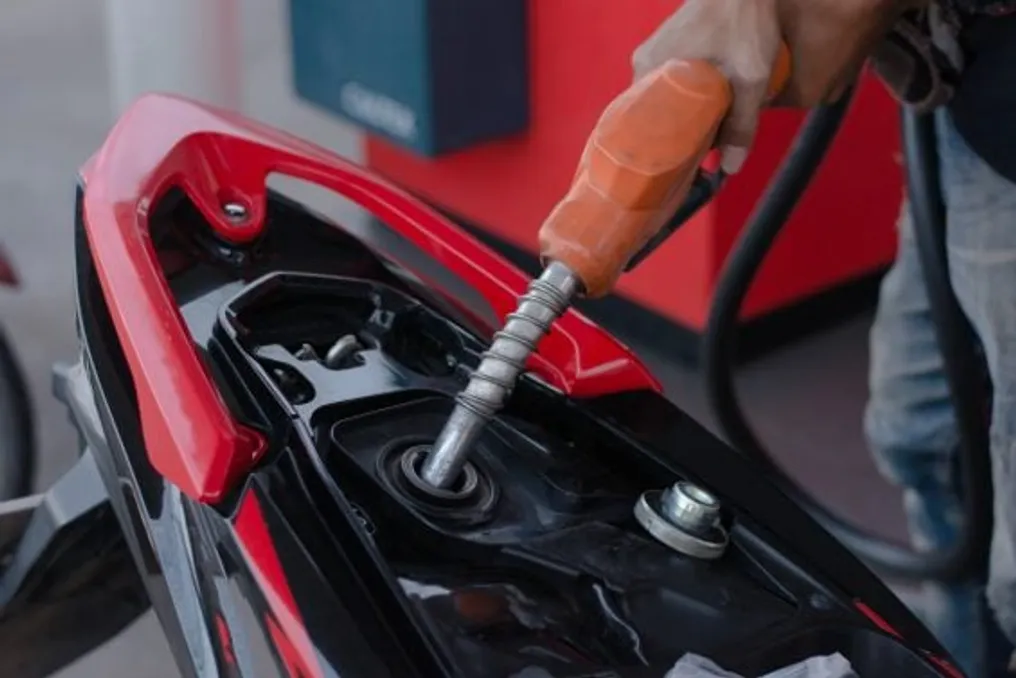
The potential increase in anhydrous ethanol content in gasoline, reaching 35% (E35), has generated intense debate involving automotive engineers, energy policy specialists, and consumers. Since last July, a six-month testing phase began, with the possibility of a further six-month extension, raising the content from 30% to 32%. This change has already drawn criticism from the automotive industry.
The Federal Government justified the alteration by seeking to mitigate the effects of the war in the Middle East, despite Brazil importing only about 15% of the gasoline it consumes. Detailed studies have not been conducted on how this new blend will affect the circulating fleet, such as starting difficulties in cold climates in older models, smaller displacement motorcycles, or imported vehicles that generally accept E10. Although there is some flexibility in these latter cases, it does not extend to a content more than three times higher.
The transition to 35% ethanol requires modifications to the engine management and fuel supply systems. There are concerns about the possible drying of hoses and gaskets, as well as the formation of deposits in injectors. Other critical aspects include cold starts and drivability during warm-up. Anfavea emphasizes the urgency of rigorous homologation and durability tests before the unrestricted implementation of E35.
For the flexible vehicle fleet, which represents 80% of the total, the impact is mitigated by the Electronic Control Unit's (ECU) ability to adjust ignition timing and injection time through the oxygen sensor (lambda probe). However, since ethanol provides about 30% less energy per liter compared to pure gasoline, this alters the economic equivalence at the time of refueling.
Regarding inspection at stations, there is an alarmist view that measuring the ethanol content (burette test) and specific gravity (densimeter test) may fail to identify fraud. It is necessary for ANP, which is already outdated, to update its specifications, which will certainly happen. Octane rating measurement, considered more complex and crucial, is always performed in a laboratory and not at the stations.
The consolidation of E35 reinforces biofuel as an essential pillar for sustainable mobility in Brazil, but it is fundamental that drivers understand that there will be a financial impact.
In a separate topic, a new material developed at the University of North Carolina (UNC), in the United States, called Metal Matrix Foam (CMF), has been the subject of advanced research. This material gradually reduces the energy of impacts between the chassis and the bumper, transmitting less intense force to the passenger cabin.
As mentioned by the Brazilian portal Inovação Tecnológica, automotive bumpers were previously made of high-strength steel, under the belief that this offered better body protection. However, the almost total lack of energy absorption of these impacts resulted in serious and often fatal injuries to drivers and passengers due to the high deceleration imposed on the bodies.
The recent discovery demonstrates a significant advance in passive safety. Professor Afsaneh Rabiei, from UNC, reported that 'CMF is lighter than conventional metals without sacrificing strength. Our work here demonstrated that this advanced structure allows for better absorption of high-speed impact energy.' She added that 'it is important because it reduces the rate of deceleration of a vehicle during a collision. And slower deceleration improves the safety of all occupants.'
There is currently no forecast for when this material will be available at a compatible cost or one that does not drastically increase manufacturing expenses.