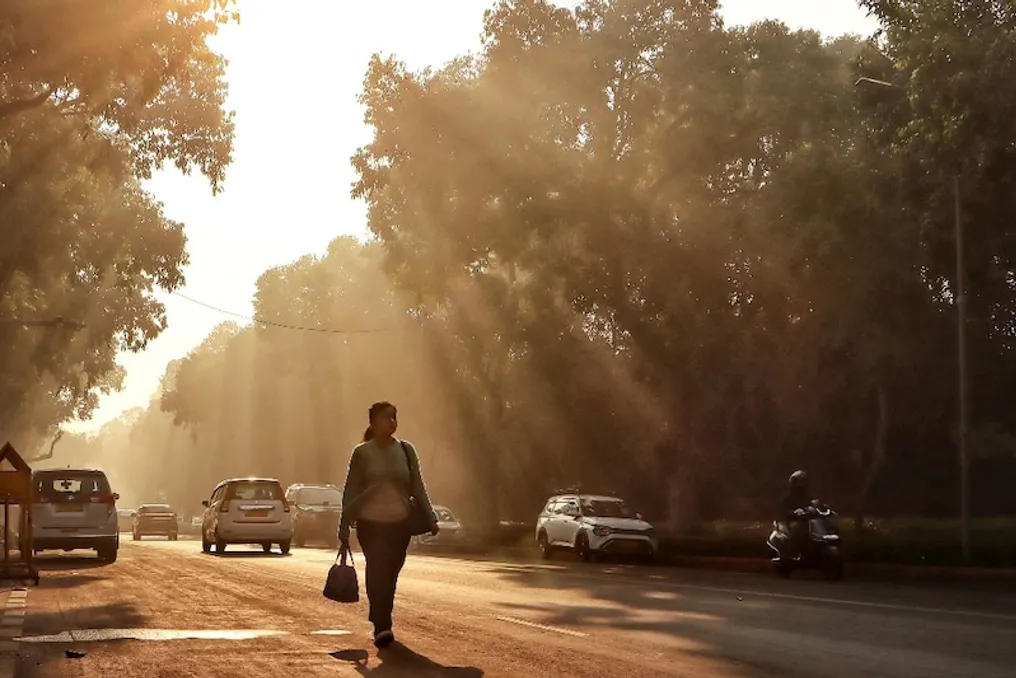
Delhi faces dual threat of air pollution and heat; worst AQI in 83 days
Read more
Aaj Tak
www.aajtak.in

Delhi faces dual threat of air pollution and heat; worst AQI in 83 days

The impact of air pollution has intensified again in Delhi. On Sunday, the average Air Quality Index (AQI) in the city dropped to 187. This figure is the lowest in the last 83 days, although it is still classified as 'moderate'. Previously, on July 13, the AQI in the city reached a higher value of 246, raising concerns about further deterioration of air quality in the coming days.

According to data from 16 monitoring stations in Delhi via the government application 'Sammir', the air quality was rated as 'poor'. The Mundka area was most affected, with an AQI reaching 273. In Nerel, the situation was similar, around 275. Meanwhile, air in 26 stations across the capital was in the 'moderate' category, while the air quality in Burari was deemed 'satisfactory'.

Parallel to the air pollution, there is a rise in temperature. On Sunday, the maximum temperature was 36.4 degrees Celsius, which is 2.2 degrees above normal. The minimum temperature recorded was 24.1 degrees Celsius, also exceeding the norm by 1.8 degrees. Different areas recorded varying temperature readings: Ayangar registered the highest maximum at 37 degrees Celsius; Safdarjung recorded 36.4 degrees; Lodhi Road recorded 36.3 degrees, and Palam recorded 34.6 degrees. Regarding the minimum temperature, the Ridge area was the coolest, with a temperature of only 21 degrees Celsius.

According to the Indian Agricultural Research Institute, between September 15 and October 3, 203 instances of stubble burning were recorded in the states of Punjab, Uttar Pradesh, and Madhya Pradesh. Only on October 3 were 1 cases recorded in Punjab, 12 in Uttar Pradesh, and 15 in Madhya Pradesh. The first instance of stubble burning in Delhi for the season was recorded on September 19. At that time, in the evening at half past five, the humidity was 51%. According to the meteorological service forecast, clear skies are expected on Monday, with temperatures fluctuating between 36 and 24 degrees Celsius.

Similar stories

How air pollution causes coughing: dangers, prevention, and doctor's recommendations
Read more
www.aajtak.in

How air pollution causes coughing: dangers, prevention, and doctor's recommendations

In the coming days, there is a risk of deteriorating air quality in many regions of the country, including Delhi and NCR. Under such conditions, the population often complains of coughs, throat irritation, and difficulty breathing. In some cases, the cough becomes very severe and worsens during sleep at night. Specialists explain the reasons for this condition and offer advice on prevention.

Dr. Vivek Nangia, head of the pulmonology department at Max Hospital in Saket, told Aajtak.in that the problem of coughing significantly worsens during pollution. This happens because fine pollutant particles present in the air enter the body along with inhaled air and reach the lungs. This leads to inflammation and pain in the respiratory tract. The body reacts to these pollutants by trying to expel them, which causes coughing; however, if there is a large number of particles, the cough persists.

According to Dr. Vivek, the cough intensifies at night during sleep. When lying down, mucus from the nose and throat can drip backward, triggering a cough. Furthermore, some people suffer from acid reflux during sleep, when acid rises into the esophagus, causing coughing. Thus, the cause of nighttime coughing is not only pollution but also a possible exacerbation of previously existing respiratory problems due to poor air quality.

People suffering from asthma, allergies, COPD, or having other respiratory diseases should be extra vigilant during pollution. Children and the elderly should also exercise special caution when the air quality is poor. If the cough in these groups lasts for a long time, it can be dangerous. They need to take special precautions during changing seasons, not neglect treatment when symptoms appear, and strictly adhere to the prescribed medication schedule.

During periods of high pollution levels, it is recommended to reduce outdoor activities. It is also important to minimize dust and smoke inside the home. If you need to go outside, you should wear a mask. Finally, it is necessary to take all prescribed medications on time.

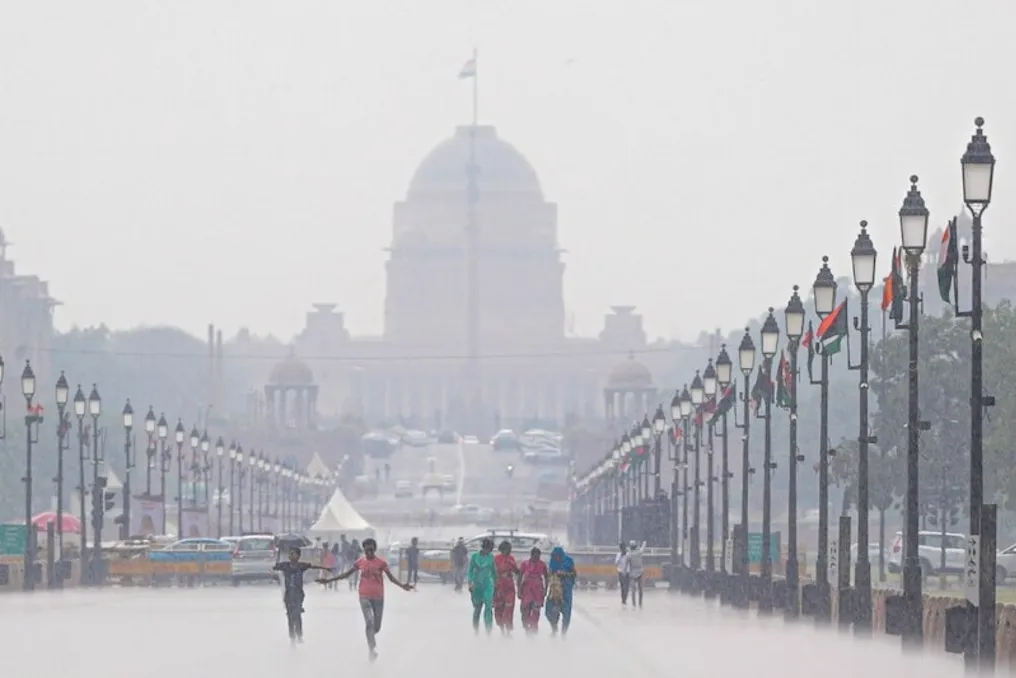
Weather in Delhi: Climate Change Expected After Cold Spell
Read more
www.aajtak.in

Weather in Delhi: Climate Change Expected After Cold Spell

The climate in the Delhi-NCR region has been undergoing sudden changes over the last two to three days. Due to rain and cool winds, temperatures have dropped, making the weather pleasant. However, this altered climate is not long-term.

According to the current situation, the period of rain and cold in Delhi-NCR is likely to last only until tomorrow. After that, temperatures may rise again, meaning that the current coolness cannot be considered the start of a stable winter. The weather may change again in the coming days.

The cause of this sharp weather change is attributed to the influence of a deep depression over the Bay of Bengal. This system shifted towards Uttar Pradesh. Its impact caused weather changes in Delhi-NCR and other plains areas over the last two to three days. Additionally, rainfall and snowfall in the mountainous regions, where a Western Disturbance was active, influenced the weather in the plains areas.

Although there is no new Western Disturbance in the near future, the weather in the mountainous regions may gradually change, which will subsequently affect the climate of the plains areas. Regarding the monsoon situation, monsoon processes are still active in some parts of the country, so it continues to rain in different places. Nevertheless, the monsoon has moved out of Rajasthan and Delhi-NCR.

At the same time, the process of monsoon withdrawal is continuing in several other states of the country, indicating that the monsoon has not left the entire country simultaneously. The situation varies across different areas, and rain continues in some places. For residents of Delhi-NCR, it is most important to understand that the coolness of the past few days should not be considered a permanent change in weather. Although the temperature has indeed dropped due to the rains, it may rise again in the coming days.

Popular