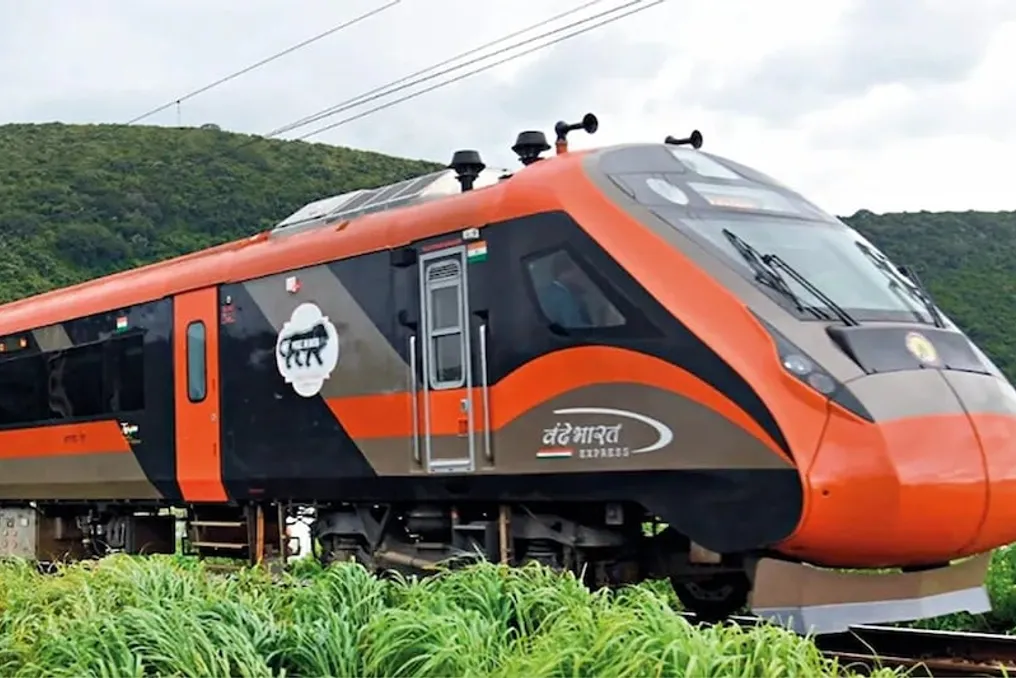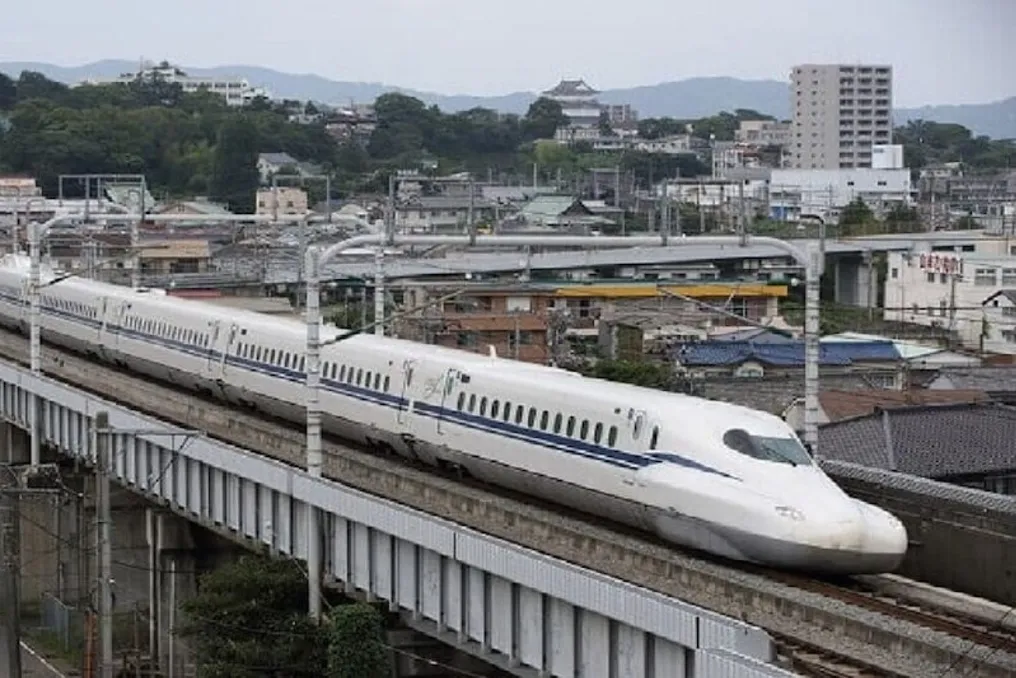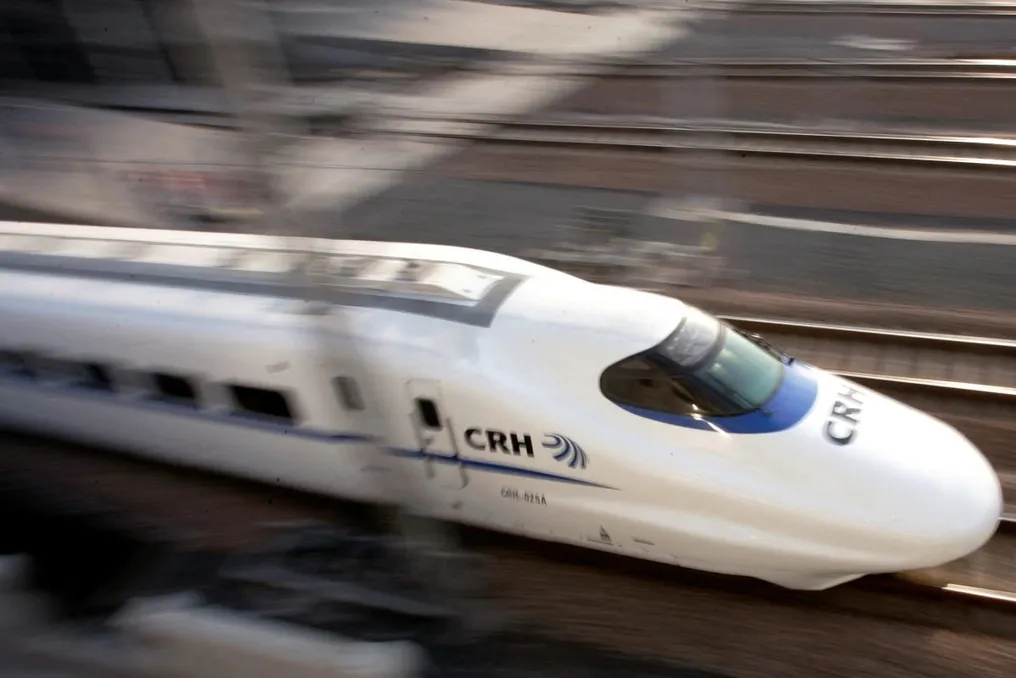
Preparations for the launch of the first train on the country's high-speed line are actively continuing, including work on tracks, bridges, and tunnels, as well as the construction of railway stations. There is hope that the first phase of the high-speed train project will start on August 15 of next year, and the train will begin operating on the Ahmedabad-Mumbai high-speed route.
As part of this project, the construction of a major structure—a 12-story railway bridge over the Sabarmati River—has been completed. The National High Speed Rail Corporation Limited (NHSRCL) announced this on Saturday, specifying that the construction of the 480-meter-long bridge, 36 meters high over the Sabarmati River for the Mumbai-Ahmedabad high-speed train project, is finished.
This bridge, which corresponds in height to a 12-story building and stands about 118 feet tall, is one of the key infrastructural components of the Mumbai-Ahmedabad high-speed rail corridor. The bridge over the Sabarmati River is located near the main Ahmedabad-Delhi Western Railway line, situated approximately 14.8 meters above the ground.
It is located between Sabarmati and Ahmedabad stations, with about 1 kilometer to Sabarmati station and 4 kilometers to Ahmedabad station. Special technology was used for the bridge supports, involving a higher structure for the pillars.
According to Indian Railways data, this bridge rests on eight circular piers with diameters ranging from 6 to 6.5 meters. Four piers are located on the riverbed, two are on the banks (one on each side), and two are outside the bank line. This arrangement of piers helped minimize obstacles in the river's waterway.
The official announcement emphasized that, unlike most river bridges on the Mumbai-Ahmedabad corridor, which are about 40 meters long, the bridge over the Sabarmati River is significantly longer, which allowed for a reduction in the required number of piers on the riverbed. This bridge consists of five sections of 76 meters and two sections of 50 meters; each section includes 23 parts cast directly at the construction site.
Precise engineering calculations, skilled labor, and thorough quality checks at every stage were applied to create these sections. NHSRCL indicated that the bridge construction was carried out using the 'balanced cantilever method,' which is suitable for erecting long bridges over deep waterways and rivers.
When the high-speed train operates at full speed, it will reach 320 kilometers per hour; however, next year, the average speed between Ahmedabad and Mumbai will be around 300 kilometers per hour. The Mumbai-Ahmedabad high-speed rail corridor, spanning 508 km, passes through the states of Maharashtra, Gujarat, and Dadra and Nagar Haveli, and includes 12 major stops. These stops include Mumbai (BKC), Thane, Virar, Boisar, Vapi, Bilimora, Surat, Bhuchar, Vadodara, Anand, Ahmedabad, and Sabarmati.