October 2026 promises to be particularly significant from a religious perspective, as the nine-day festival of worship to Goddess Durga—Sharadiya Navratri—will begin after the completion of Pitr Paksha. In 2026, the start of this festival is scheduled for Sunday, October 11. On this day, the cycle of worshipping the nine forms of Mother Durga will commence along with the performance of Ghatasthapana. Navratri will conclude on October 20, which is celebrated as Vijayadashami, or Dussehra.
During this period, special attention is paid to the dates of Ashtami and Navami. According to the Panchang, rituals associated with Durga Ashtami and Maha Navami will take place on October 19, while Vijayadashami itself will be celebrated on October 20.
The first day of Sharadiya Navratri, October 11, is dedicated to Ghatasthapana, also known as Kalish Sthapana. It is on this day that the official worship of Mother Durga begins in homes and temples. Within this ritual, there is a tradition of sowing barley while establishing the kalash.
According to the New Delhi Panchang, the auspicious time for performing Ghatasthapana is set for the morning from 6:19 to 10:12. Furthermore, the Abhijit Muhurt will last from 11:44 to 12:30. However, it should be noted that the exact time may vary slightly depending on the city, so it is recommended to refer to the local Panchang.
The schedule of key Navratri dates is as follows: October 11 — Pratipada, Ghatasthapana, and worship of Shailputri; October 12 — Dwitiya, worship of Brahmacharini; October 13 — Tritiya, worship of Chandraghanta; October 14 — Chaturthi, worship of Kushmanda; October 15 — Panchami, worship of Skandamata; October 16 — Shashthi, worship of Katyayani; October 17 — Saptami, worship of Kalaratri; October 19 — performance of rituals related to Durga Ashtami and Maha Navami; and October 20 — Vijayadashami and Dussehra.
Due to the coincidence of dates in 2026, the Durga Ashtami and Maha Navami rituals fall on October 19. According to the Panchang, the corresponding worships and ceremonies will be performed on this day. The following day, October 20, will be dedicated to celebrating Vijayadashami.
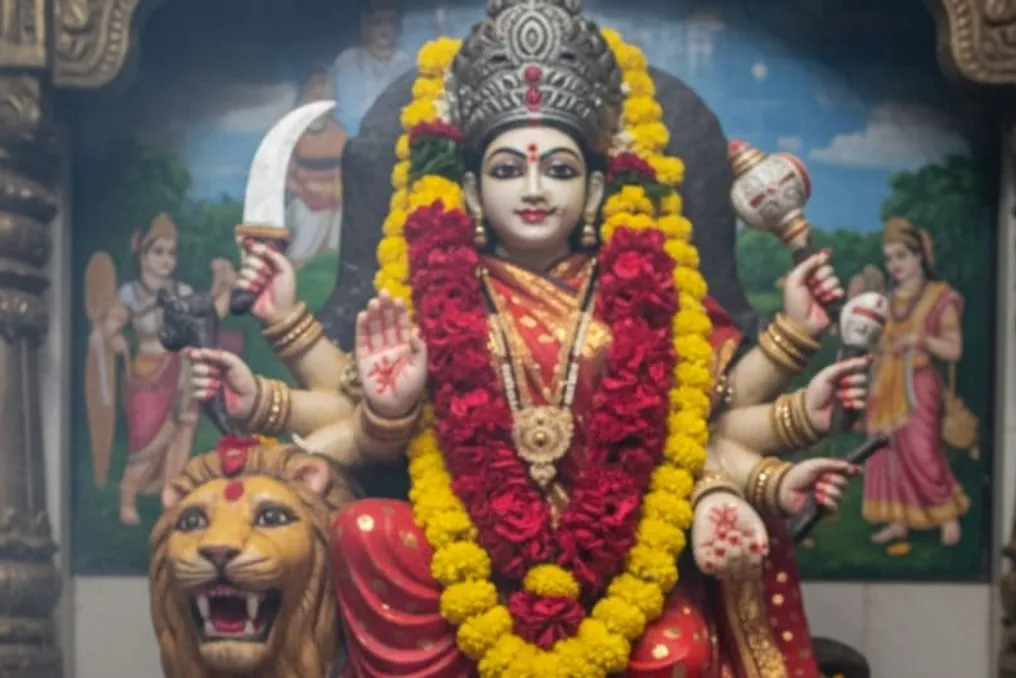
Throughout the nine days of Navratri, worship is offered to various aspects of Mother Durga. The first day honors Shailputri, the second Brahmacharini, the third Chandraghanta, the fourth Kushmanda, the fifth Skandamata, the sixth Katyayani, the seventh Kalaratri, the eighth Mahagauri, and the ninth Siddhidatri.
According to religious beliefs, the practice of worshipping power during Navratri helps a person gain confidence, courage, and positive energy. Devotees observe fasts according to their faith and worship Mother Durga.
After the nine days of Navratri, the tenth day is celebrated as Vijayadashami. In religious tradition, this day symbolizes the triumph of good over evil. According to the teachings of the Ramayana, Lord Rama defeated Ravana on this day. Therefore, in various parts of the country, there is a tradition of burning effigies of Ravana, Kumbhakarna, and Meghnad in honor of Dussehra.
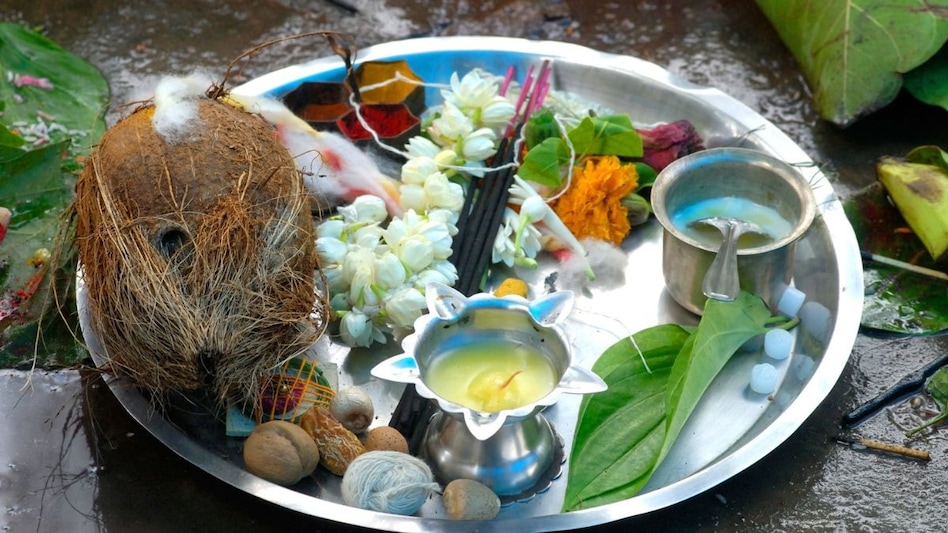
Ghatasthapana is considered a crucial ritual of Navratri, and according to religious beliefs, it should be performed at an auspicious time. A clean place is chosen for setting up the kalash, and the area for worship is thoroughly purified. Traditionally, water is poured into the kalash, and on top are placed leaves of Amu or Ashoka and a coconut.
The time for performing Ghatasthapana depends on the local sunrise and Panchanga calculations, so it may differ in different cities. For example, there are differences in the times specified for Mumbai and Delhi.