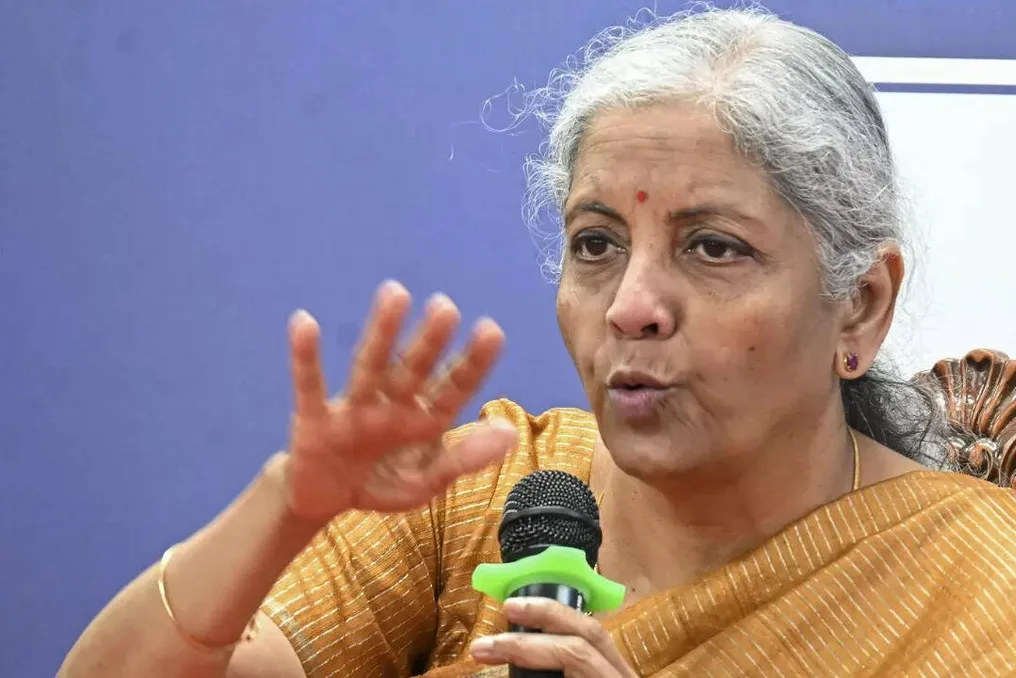
Finance Minister Nirmala Sitharaman on the Need for Structural Autonomy in Strategic Resources Amid Global Uncertainty
Read more
The times of India
timesofindia.indiatimes.com

Finance Minister Nirmala Sitharaman on the Need for Structural Autonomy in Strategic Resources Amid Global Uncertainty

At the Kautilya Economic Conclave session, Union Finance Minister Nirmala Sitharaman stated that under current global economic uncertainty, which has become a permanent state, national security requires ensuring structural autonomy regarding strategic resources, as the security of strategic resources is at the center of macroeconomic policy.

Furthermore, she advocated for private investment to lead the economic cycle, including funding research, innovation, and upskilling citizens to adapt to the changing world of work. She emphasized that the global financial architecture must reflect sources of growth.

Sitharaman noted that building resilience is a continuous process, not a one-time event. She is confident that India is approaching the coming years with strong positions.

These statements gained particular significance against the backdrop of global economic instability caused by US tariffs and conflicts in Ukraine and West Asia. These events have disrupted global supply chains and led to rising prices for essential commodities.

The Minister added that price shocks can be mitigated using monetary and fiscal tools, but quantity shocks test the reserves of buffer goods and the efficiency of delivery systems, thereby challenging the state's very capacity.

Sitharaman pointed out that supply chains optimized solely for cost reduction carry hidden fragility. To replace dependence on a single, vulnerable source with internal operational depth, the government has launched programs focused on rare earth minerals, critical minerals, semiconductors, and small modular nuclear reactors.

For India, resilience means strengthening the structural foundations laid over the last decade, such as the development of entrepreneurship, emphasis on efficient last-mile delivery, infrastructure creation, and managing prices of essential goods and external pressures. She stressed that the test of the coming years will be partially invisible: these are shocks that India absorbs without negative impact on households and businesses.

Evidence of this resilience lies in counterfactual scenarios—outcomes that did not happen, such as an inflation spiral that did not strengthen, fuel station queues that did not arise, banking stress that did not manifest, and fiscal correction that was never forced. Sitharaman concluded that economists should pay as much attention to these counterfactuals as they do to growth indicators.

Speaking about open, predictable, and rules-based global economic relations, Sitharaman stated that states should interact with each other through dialogue and agreed arrangements, rather than allowing geopolitical disagreements to become obstacles to trade and investment.
Similar stories

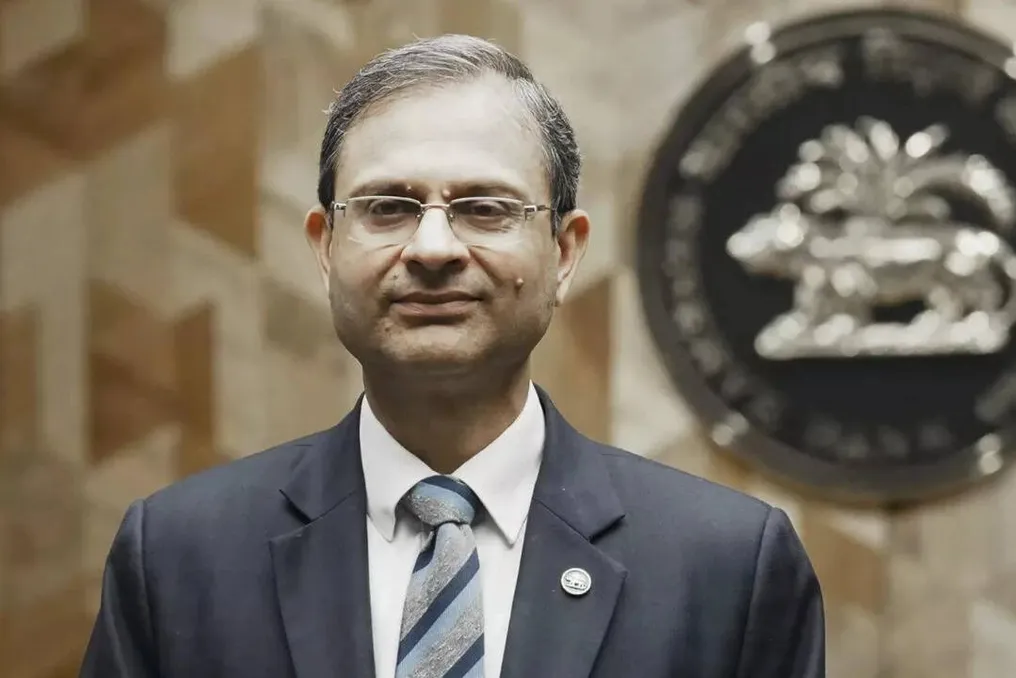
RBI Governor Declares Resilience of Indian Financial System Amid Middle East Crisis
Read more
timesofindia.indiatimes.com

RBI Governor Declares Resilience of Indian Financial System Amid Middle East Crisis

RBI Governor Sanjay Malhotra stated on Saturday that the Indian financial system has demonstrated resilience and the economy has successfully managed the crisis in the Middle East; however, he emphasized the need for vigilance among policymakers.

At the Kautilya Economic Conclave, organized by the Institute of Economic Growth and the Ministry of Finance, Malhotra asserted that complacency should not be shown, as the economic and financial costs of accumulating vulnerabilities are too high. He added that today's stability does not guarantee future immunity and expressed commitment to maintaining a strong and resilient financial system by closely monitoring emerging vulnerabilities.

The Governor warned about the potentially adverse impact of the war in Iran, which affected supply chains. He noted that the financial system absorbed the supply shock caused by the Middle East conflict well. Nevertheless, the global economic environment remains complex, as the conflict has intensified inflationary pressures and exacerbated financial system vulnerabilities, though India is handling this situation from a position of strength.

Malhotra cautioned against overestimations, particularly regarding artificial intelligence (AI), as well as the high level of global debt and leverage, which could negatively affect banks and markets if financial conditions tighten. Furthermore, he mentioned cyber risks exacerbated by the development of AI.

He stated that strong macroeconomic fundamentals and a resilient financial system provide confidence in the ability to withstand this prolonged shock. In this regard, additional measures are being taken to enhance resilience to such shocks, including diversifying import sources, increasing energy self-sufficiency and other critical resources, improving production competitiveness, expanding market access through free trade agreements, and promoting settlements in local currencies.

The Governor also noted that the yield on Indian bonds rose only partially in response to rising global energy prices and global rates, indicating prudent fiscal management, sound monetary policy, and reduced structural inflation pressure. He added that the private lending market in India remains small, stock markets have corrected in recent months, and cyber risk management has been strengthened. Overall, the financial system is very resilient, supported by healthy bank and NBFI balance sheets.

Popular