During Pitr Paksha 2026: Should Hair Be Cut According to Sacred Scriptures?
Read more
Aaj Tak
www.aajtak.in

During Pitr Paksha 2026: Should Hair Be Cut According to Sacred Scriptures?

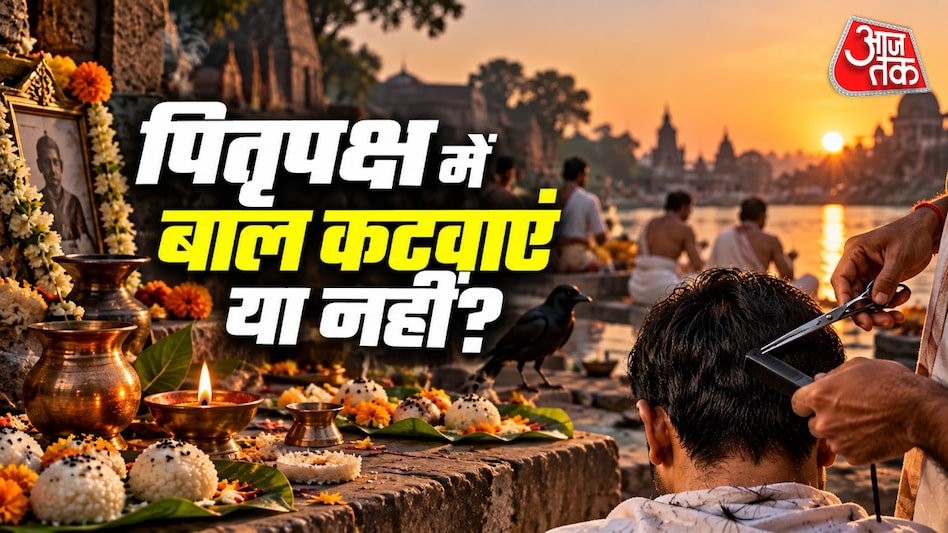
Pitr Paksha is currently underway, running from September 26 to October 10 this year. This period is also known as Shraddha Paksha. There are numerous beliefs associated with Pitr Paksha that people observe, although they often do not know the true reasons behind these traditions. One such belief is the prohibition of cutting hair during Pitr Paksha.

In Hinduism, it is considered that cutting hair during this period is forbidden. Some believe that doing so may cause displeasure among ancestors. The main source of information on this matter in Hinduism is the ancient text Dharma Sindhu. It contains the verse:

«पितृपक्षे न कर्तव्यं क्षौरं श्राद्धदिने क्वचित्। कृते तु तत्र क्षौरे तु केशाः पितृमुखे पतन्ति॥»

This verse means that shaving should not be performed on Shraddha days during Pitr Paksha. That is, one should refrain from trimming beards and hair on Shraddha days. According to the belief, if hair is cut on a Shraddha day, the cut hair falls into the mouth of the ancestors. Therefore, astrologers advise against getting a haircut on these days, as it leads to hair falling into the ancestors' mouths and causes their displeasure.

Besides cutting hair and beards, several other actions are recommended to avoid during Shraddha days. It is also advised to refrain from cutting nails. Furthermore, rituals such as weddings, engagements, housewarming ceremonies, or Mundan are prohibited. During this period, it is also not recommended to open a new shop or start a new business. It is important that during this sacred time, only sattvic foods should be consumed, excluding tamasic items such as garlic, onion, and asafoetida, as well as meat and eggs.

According to the calendar, Purnima Shraddha falls on September 26, 2026 (Saturday), and Prabhadhi Tithi Shraddha is on September 27, 2026 (Sunday). Subsequent dates include Dwitiya Shraddha on September 28, 2026 (Monday), Tritiya Shraddha on September 29, 2026 (Tuesday), as well as Chaturthi and Panchami Tithi Shraddha on September 30, 2026 (Wednesday). Shashti Tithi Shraddha is scheduled for October 1, 2026 (Thursday).

Following this are Saptami Tithi Shraddha on October 2, 2026 (Friday), Ashtami Tithi Shraddha on October 3, 2026 (Saturday), Navami Tithi Shraddha on October 4, 2026 (Sunday), and Dashami Tithi Shraddha on October 5, 2026 (Monday). The cycle continues with Ekadashi Tithi Shraddha on October 6, 2026 (Tuesday), Dwadashi Tithi Shraddha on October 7, 2026 (Wednesday), and also Magha Tithi Shraddha on October 7, 2026 (Wednesday). Next are Trayodashi Tithi Shraddha on October 8, 2026 (Thursday) and Chaturdashi Tithi Shraddha on October 9, 2026 (Friday). The period concludes with Sarvapitri Amavasya on October 10, 2026 (Saturday).
Similar stories

Pitru Paksha 2026: Only a few days left until the rituals end, avoid these mistakes to not anger the ancestors
Read more
www.aajtak.in

Pitru Paksha 2026: Only a few days left until the rituals end, avoid these mistakes to not anger the ancestors

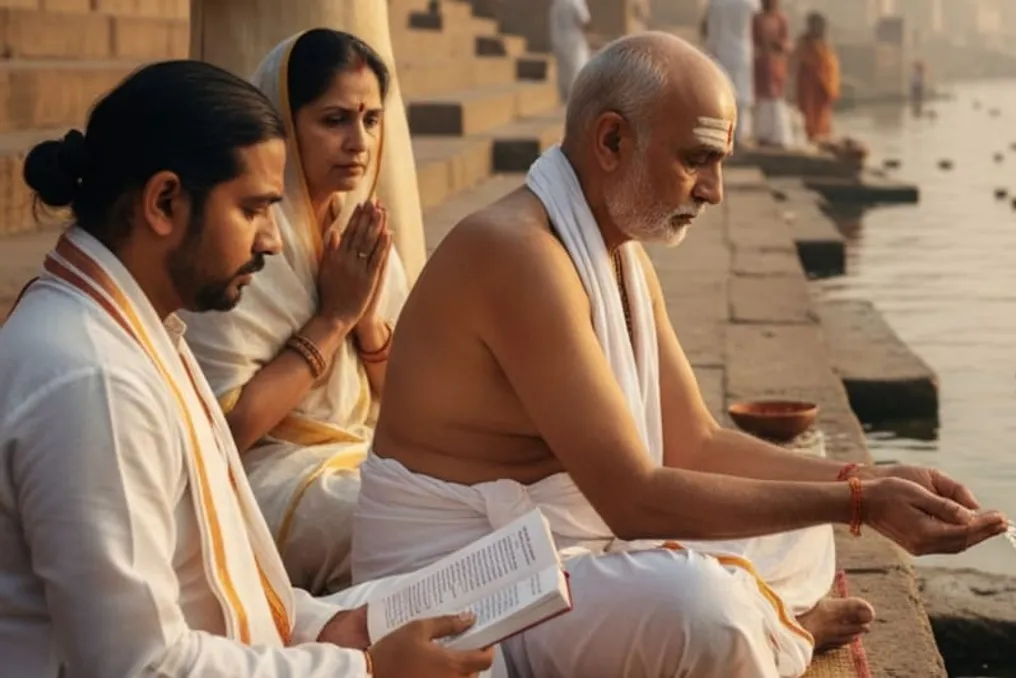
The Pitru Paksha period has begun, and there are only about nine days left until the Shraddha rituals conclude. In Hinduism, the Pitru Paksha time is considered the most sacred time for expressing respect, gratitude, and reverence to ancestors. During this period, performing Tarpan, Pindadana, and Shraddha rituals nourishes the spirits of the ancestors, allowing them to bless their descendants with happiness and prosperity. Nevertheless, the sacred scriptures lay down very strict and pure rules related to Shraddha rituals, adherence to which is considered mandatory. If the rituals are not performed according to the established rules and rites, the ancestors do not find satisfaction. The following discusses important aspects and rules that should be observed during Shraddha.

Proper time and sacred place for conducting Shraddha rituals

According to religious beliefs, all major activities related to Shraddha must be conducted exclusively in the afternoon (Aprahara Kala). Shraddha rituals should always be performed either on one's own land or at some sacred Tirthastha place.

Which ingredients are best to use in food?

During Shraddha, it is considered best to use pure ghee, milk, and yogurt from cow's milk when preparing food. Furthermore, barley, peas, kanjani, and especially black cumin seeds must be present in the dishes. According to beliefs, the more cumin used, the longer the fruit of Shraddha will last, as cumin protects the ritual from evil forces and Pisachas. Sacred 'Kusha grass' also holds special significance.

The significance of silver utensils and offerings

If financially possible, using silver utensils during Shraddha rituals and making a silver offering to Brahmins or the needy is considered extremely auspicious and brings great merit. This brings great satisfaction to the ancestors.

Special rules for inviting and feeding Brahmins

  • Invitation one day prior to the ritual

  • Selection based on the ancestor

  • Method of serving food

  • Feeding the Supatra

  • Panchbali Bhog

  • Important rules related to family and relatives

A Brahmin must be invited to a meal with due respect exactly one day before the start of Shraddha. If your deceased ancestor was male, a male Brahmin should be fed; if the ancestor was female, a female Brahmin should be fed. If the woman was 'Saubhaghyavati' (auspicious), the invitation to the meal should be addressed to the wife of the Brahmin, who is also Saubhaghyavati. The food should be offered to the Brahmin with great reverence, using both hands. He must be seated comfortably on a seat made of cloth, wool, Kusha, or a blanket. Food for Shraddha should be given only to one Supatra Brahmin, not to other needy people. After the meal, alms (Dakshina) and clothing must be given within one's means. In the dish prepared on the day of Shraddha, a portion must be set aside for Panchbali, i.e., for the cow, deity, crows, dogs, and ants. Feeding dogs and crows should be done by them themselves, while the portion for the deity and ants can be given to the cow.

Regarding the order of eating, family members can only begin eating after the Brahmins and animals/birds have eaten. If your sister, son-in-law, or nephew lives in the same city as you, they should also be invited home and fed during Shraddha, otherwise, this may anger both the ancestors and the deities. If a hungry person or beggar comes to the door on the day of Shraddha, they must never be sent away empty-handed; they must be respectfully offered food.

During Pitr Paksha 2026: 4 Actions to Avoid After Performing Shraddha Puja
Read more
www.aajtak.in

During Pitr Paksha 2026: 4 Actions to Avoid After Performing Shraddha Puja

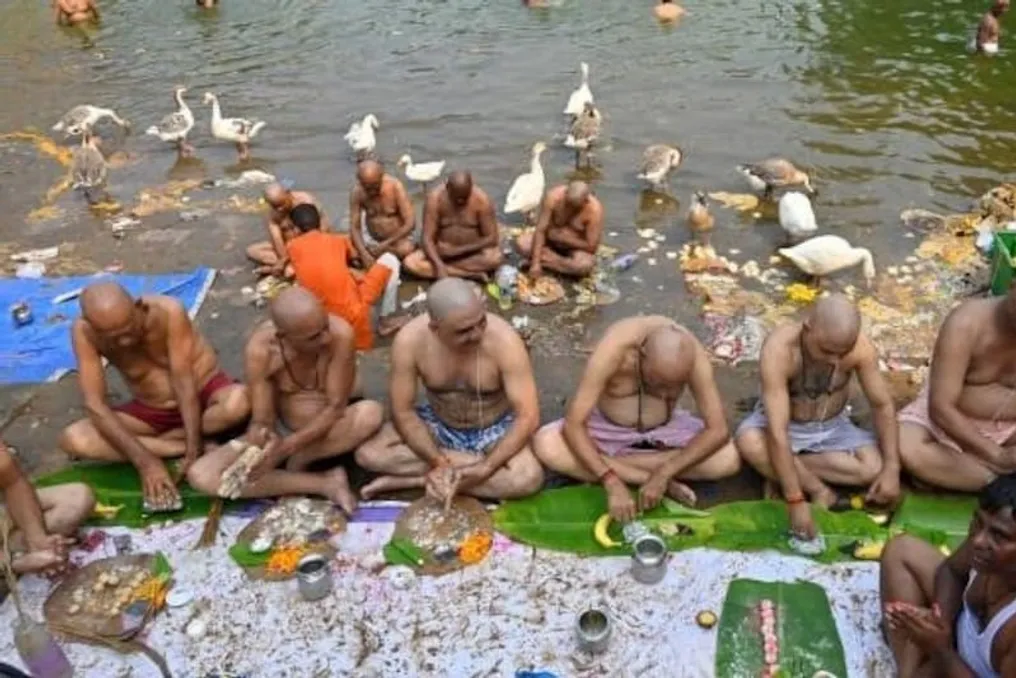
Pitr Paksha 2026 will begin on Sunday, September 27th, and conclude on Saturday, October 10th. In Hinduism, Pitr Paksha (Sharaddha Paksha) holds deep religious and spiritual significance. During these 16 days, which start with Badrapada Purnima and end with Ashwin Amavasya (Sarapitra Amavasya), rituals such as pind dan, tarpan, and sharaddha karma are performed to ensure the peace, satisfaction, and blessings of ancestral souls (pitrus).

According to religious beliefs, during Pitr Paksha, our ancestors appear on Earth in an invisible form and accept water and food offered by relatives. However, sometimes people make certain unconscious mistakes after performing worship and sharaddha rites, which can lead to the loss of the ceremony's benefits and cause pitr dosha.

According to astrological and sacred rules, there are four mistakes made immediately after tarpan or sharaddha puja that can nullify the results of all rituals and become the cause of pitr dosha. It is necessary to know which four actions one should strictly refrain from after worshipping ancestors.

Eating or rushing to eat immediately after tarpan

It is incorrect to sit down at the table and eat immediately after completing sharaddha or tarpan. Before Brahmins are offered food and a portion is allocated for Panchbali (cow, dog, crow, god, and ant), household members should not eat independently. Sattvic food should only be consumed after food has been offered to the pitrus and Panchbali.

Consuming garlic, onions, and tamasic foods

Even after performing tarpan or sharaddha karma, the atmosphere of the home and the food must remain sattvic throughout Pitr Paksha. After sharaddha puja, it is strictly forbidden to consume alcohol, meat, or tamasic food containing garlic and onions. Such actions can anger the pitrus and negatively affect peace and tranquility in the home.

Conflicts, anger, or disrespect in the house

During Pitr Paksha, our ancestors reside in a subtle form near the house. Speaking harsh words or creating disorder in the house after tarpan brings negative energy. One should avoid anger, arrogance, and arguments with family members or elders after sharaddha puja. Furthermore, one must not turn away any poor or helpless person or animal that comes to the door; they must definitely be given food and water.

Cutting hair/beard or buying new clothes/goods

In Hindu tradition, Pitr Paksha is considered a time of abstinence, spiritual practice, and showing respect to ancestors, rather than a time for material celebrations or adornments. During the days of tarpan and sharaddha, one should refrain from cutting hair, nails, or beard. It is also recommended to refrain from purchasing new items, such as clothing, vehicles, or real estate, or starting any new auspicious deeds immediately after the puja.

To achieve the full result of the sharaddha puja during Pitr Paksha, it is essential to offer green grass or rice with gurreta for the cow, as well as a portion of food for the crow and dog from your hands after tarpan and pindan. The crow is considered a messenger of the pitrus, so food passed through it reaches the ancestors directly. After this, one should pray to the pitrus for the happiness, peace, and prosperity of the family with selflessness.

According to the Garuda Purana: Why does the eldest son perform his father's cremation?
Read more
www.aajtak.in

According to the Garuda Purana: Why does the eldest son perform his father's cremation?

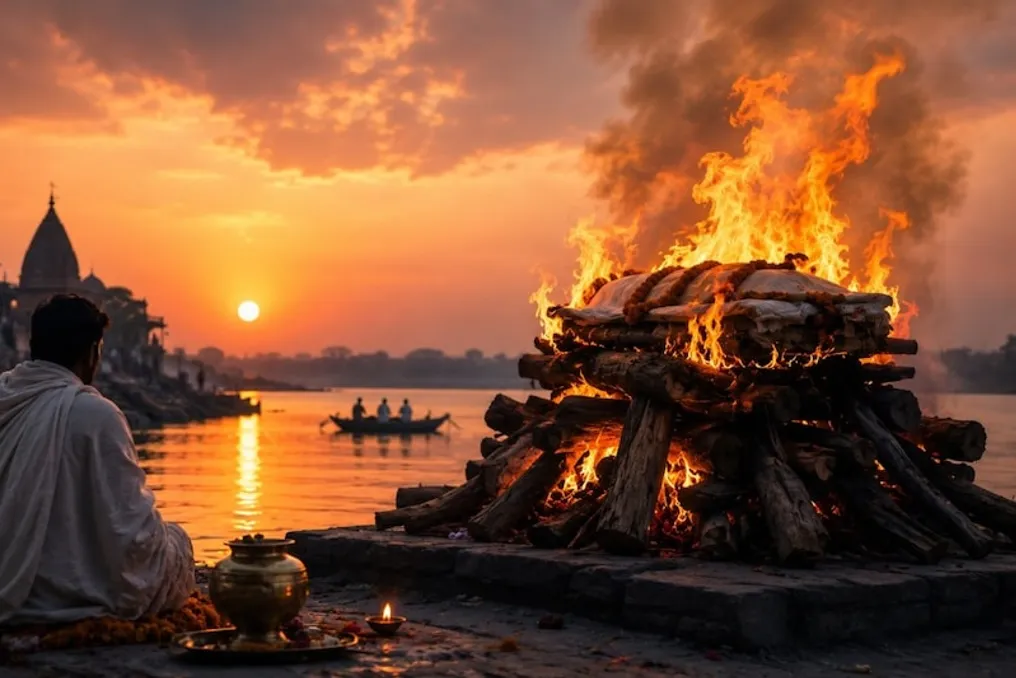
In Hindu traditions, after the death of a father, the eldest son is often tasked with performing funeral rites for him, including the passing of the fire. This raises the question of whether this is merely a family custom or if it is rooted in a deep religious belief.

Funeral rituals after death are considered extremely important in Hinduism. It is believed that a properly conducted rite opens the path for the deceased's soul to continue its journey. This is why the ancient tradition stipulates that a close family member, especially the son, should conduct the cremation.

Why does the eldest son perform the cremation?

In Hindu tradition, the son is viewed as one who fulfills his duties towards his father. According to several religious beliefs, by completing the funerals and subsequent rituals for parents, the son repays his debt to them. Therefore, traditionally, the responsibility for conducting the father's cremation falls upon the eldest son. However, this is not a universal mandatory rule for every family or region; funeral practices can vary depending on the community and traditions, and in some places, younger sons or other close relatives conduct the burials.

What do religious beliefs say about the son?

Religious teachings view the son as one who performs obligations towards his parents. In a common religious interpretation, the word 'son' is associated with a person who helps guide their parents through difficult times. Based on this concept, the funerals, Shraddha, and other religious acts performed by the son for his parents hold great significance. However, this does not mean that only rituals performed by the son ensure the liberation of the deceased; different views exist on this matter across various classical traditions and regions.

Why is cremation considered important?

The funeral rite in Hinduism, called 'Antyeshti Sanskar,' is one of the 16 life rituals of a person. The tradition of cremation exists to dissolve the body into the five elements after death. From a religious perspective, the human body is explained on gross and subtle levels. The gross body is what we can see and touch, while the subtle body is connected to the mind, intellect, prana, and senses.

Some religious texts and traditions link the subtle body to seventeen elements, including the five senses, five organs of action, five pranas, mind, and intellect. It is believed that after death, the soul separates from the gross body and begins its journey. The tradition of using fire for the body is based on the belief that fire in Hinduism is a means of purification and transformation. During cremation, it is assumed that the body dissolves into the natural elements through fire. Following this, bone burial rituals and Shraddha take place. The purpose of these actions, according to religious tradition, is to fulfill the final duty to the deceased and wish them peace.

What does the tradition of breaking a pot mean?

In many Hindu traditions, before or during the cremation, there is a described method where the son circumambulates the body and then breaks an earthen vessel filled with water on the ground. This custom symbolizes the transience of life and the body. The breaking of the pot is interpreted as a sign that the connection with the material body ends, and the soul's journey begins. Differences in this practice are also observed depending on the region and community.

Why are sandalwood, ghee, and other materials placed in the Chatti?

The practice of using sandalwood, ghee, camphor, and other materials at funerals is found in many places. These substances are considered religiously pure, and their application in the fire ritual is done according to various traditions. It is incorrect to state that this is done solely to prevent contamination; the use of these materials is primarily part of the religious and traditional procedure.

Can only the eldest son perform the cremation?

It is important to remember that although the tradition of the eldest son passing the fire is widespread, it cannot be considered a single and mandatory rule for every Hindu family. If the eldest son is absent or cannot perform the funeral for any reason, in some traditions, the younger son or another close family member may do so. Furthermore, in some families and communities, there is a tradition where daughters perform their parents' funerals. Therefore, it is more appropriate to view the passing of the fire not as a right of the son, but as the final act of duty and reverence towards the deceased.

Popular