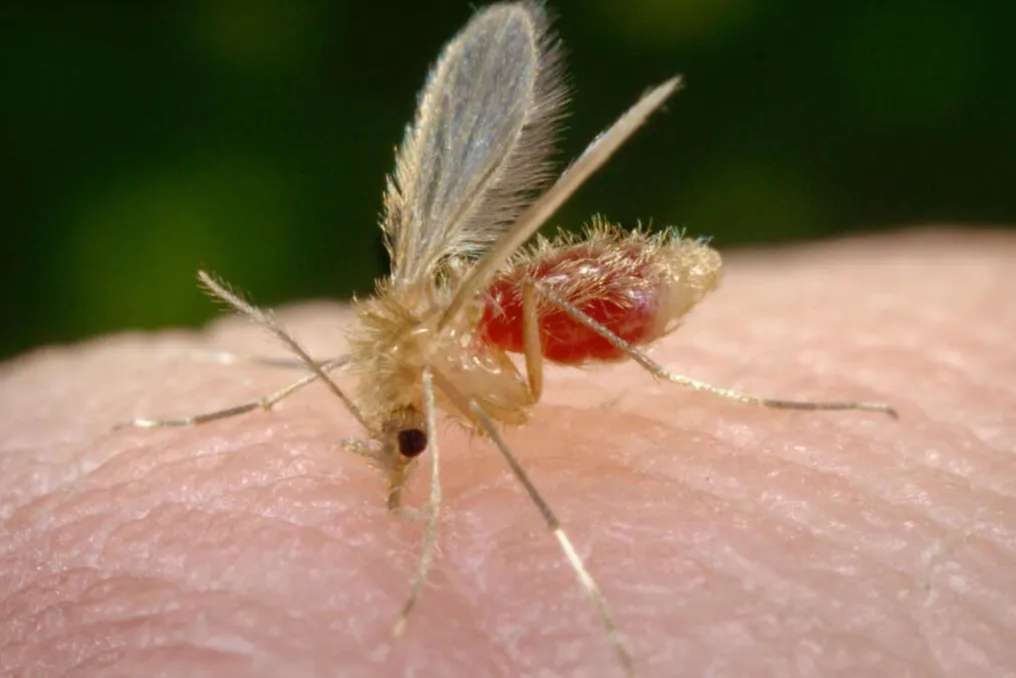
The Northwest region of the state of São Paulo registered the majority of the state's leishmaniasis cases in 2026, concentrating more than half of the records. Furthermore, two deaths were confirmed in the São Paulo territory, one of which occurred in Fernandópolis.
A survey conducted by the Epidemiological Surveillance Group (GVE) indicated that during 2025, 12 cases of the disease were counted in the northwestern region of São Paulo, representing a reduction of 15 cases compared to the same period in 2024.
Historically, the Araçatuba area is one of the most affected by this disease. In previous years, it recorded 37 cases, as well as four deaths in 2022 and 33 cases with three deaths in 2018.
What is leishmaniasis
Visceral leishmaniasis is classified as a serious infectious disease, caused by the protozoan known as Leishmania infantum (or chagasi). Transmission occurs when female sandflies bite infected dogs or other animals and subsequently transmit the protozoan to humans.
This insect tends to reproduce in places where there is an accumulation of organic matter, such as yards containing dry leaves, fruit scraps, animal waste, and dirt. If untreated, the disease can be fatal in up to 90% of cases.
Symptoms in humans include fever, significant weight loss, swelling of the spleen and liver, and anemia. In dogs, signs can include weight loss, vomiting, weakness, hair loss, nail growth, and the appearance of sores on the muzzle, ears, and paws.
Care against the disease
Since there is no specific vaccine to prevent the disease in humans, preventive measures must focus on vector control. It is essential to eliminate possible breeding grounds for the sandfly by removing organic matter from yards and preventing garbage accumulation. It is also necessary to clean areas contaminated with animal feces, use repellent collars on dogs, install screens on windows when the animal is inside the house, and avoid nighttime walks, as the mosquito is most active at dusk.
Control actions
In municipalities reporting new cases, such as Votuporanga, health teams conduct inspections in residences near the focus of the disease. The objective of these visits is to identify and eradicate any potential breeding grounds. Since transmission occurs through the bite of the sandfly, which develops in places with accumulated organic matter—such as dry leaves, fruit scraps, and dirt in yards—environmental control is crucial.