Mostar Exploration: How to Spend 48 Hours Discovering the City Beyond the Old Bridge
Read more
Getaway
getaway.co.za

Mostar Exploration: How to Spend 48 Hours Discovering the City Beyond the Old Bridge

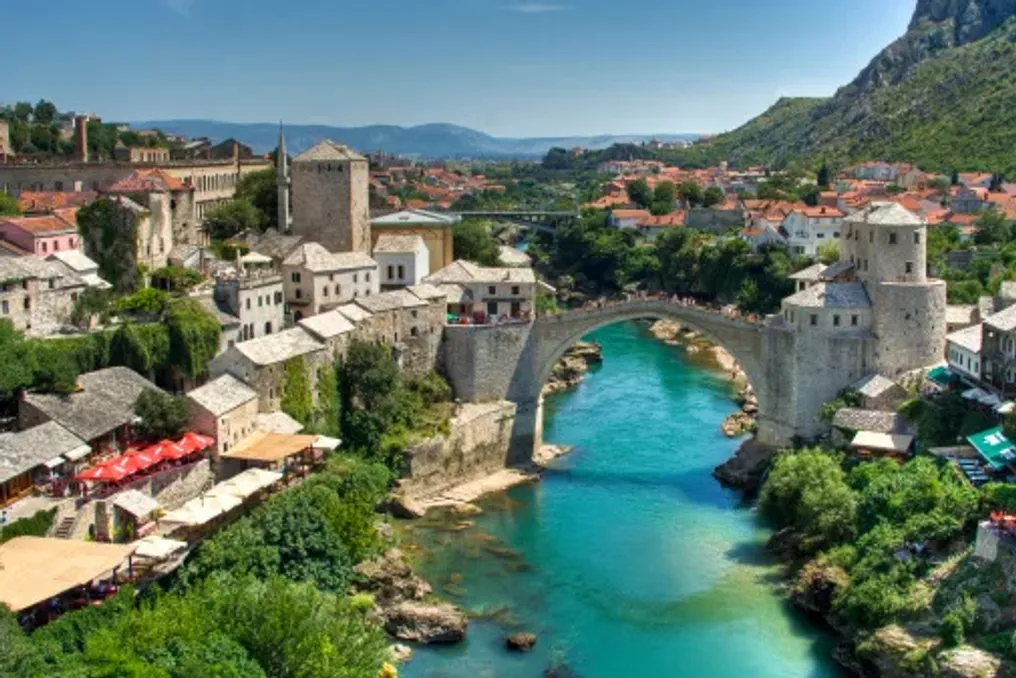
The Old Bridge in Mostar is an iconic structure easily recognizable even before visiting. This elegant stone arched bridge crosses the turquoise Neretva River, connecting two parts of the city's historic center and drawing visitors into a labyrinth of cobbled streets, bazaars, and ancient stone buildings.

By spending 48 hours in Mostar, one can see more than just postcard views: one should follow the Neretva through the city, explore Ottoman architecture and religious monuments, enjoy local Bosnian and Herzegovinian cuisine, view modern cultural spaces, and venture into the surrounding mountains and river valleys.

The Old Bridge area was included in the UNESCO World Heritage List in 2005. Although the morning should start at the Old Bridge, it is important not just to take a picture and move on.

The bridge was completed in 1566 by the Ottoman Sultan Suleiman the Magnificent, and its design is attributed to Mimar Hayruddin, a student of the renowned Ottoman architect Sinan. The original bridge was destroyed during the Bosnian War in 1993, after which it was restored using materials and techniques as close as possible to the original structure. The restored bridge and the surrounding Old Town were officially opened in 2004, and the following year this area received UNESCO World Heritage status.

Crossing the arch, you can explore both sides of the Neretva. The steep cobbled streets around the bridge lead to the old bazaar, where small stalls sell copperware, jewelry, textiles, ceramics, and souvenirs. Nearby Kujundžiluk, traditionally associated with blacksmiths, is one of the most atmospheric parts of the Old Town.

The historic center of Mostar is more than just a collection of picturesque streets. While walking through the city, one should look for traditional Ottoman houses, courtyards, and religious structures. UNESCO describes the Old Bridge area as an unusual combination of pre-Ottoman, Ottoman, Mediterranean, and Western European architectural influences. Mosques, churches, and other religious buildings reflect the city's long history as a place of coexistence of various communities.

One of the must-see stops is the mosque of Koši Mehmed Pasha, built in the early 17th century. Its location over the Neretva also allows one to appreciate how the city's buildings, the river, and the surrounding hills are harmoniously integrated.

Instead of rushing between attractions, time should be spent on the details: carved stone, wooden shutters, old bridges over smaller watercourses, and how the houses climb the slopes of the hills.

The Neretva is as important to the character of Mostar as its architecture. The river flows through the city under the Old Bridge; its stony banks and clear water form a natural corridor through the historic center. The smaller Radobolja river also contributes to the unique landscape of the city. UNESCO recognizes both watercourses as important elements of Mostar's historical urban form.

Moving away from the busiest area around the Old Bridge, one can slowly follow the river. From here, the city begins to feel less like a tourist spot and more like a place where people live, work, eat, and socialize.

It is necessary to try traditional Bosnian dishes, such as ćevapi served with flatbread and onions, burek and other filled pastries, as well as dolma and roasted meat. Bosnian coffee is another essential element of the experience, traditionally served in a small copper coffee set.

The Tourist Board of Mostar also points to restaurants offering local Bosnian, Mediterranean, Middle Eastern, and contemporary cuisine, reflecting an increasingly diverse gastronomic scene.

One should not rush the coffee. In Mostar, sitting with a small cup and watching the street is part of the experience itself.

To understand how people lived in Mostar in the past, one should visit one of the traditional Ottoman-era houses. These houses were designed around inner courtyards and with views of the river, and their thick stone walls helped mitigate the summer heat of Herzegovina. UNESCO documentation of the historic city describes traditional houses with wooden elements, projecting rooms, and open living spaces overlooking the Neretva.

Visiting such houses provides context to the stone streets outside and shows that Mostar's architectural heritage is not limited to grand monuments.

The beauty of Mostar should not overshadow its more recent history. The Old Bridge was destroyed on November 9, 1993, during the conflict in Bosnia and Herzegovina. Its subsequent reconstruction became an international heritage project, and UNESCO described the restored bridge and Old Town as symbols of reconciliation, international cooperation, and coexistence. Museums and exhibitions dedicated to the conflict offer a more complex but important perspective on the city. Time should be allocated to this part of Mostar, rather than viewing its military history as a secondary detail. This gives the restored streets and bridge a deeper meaning.

Mostar is not frozen in its Ottoman past. The city has an active program of exhibitions, theater, music, festivals, and culinary events. Recent events have included the Moba Street Food Festival, Mostar Summer, as well as literary and musical programs. The official city tourism calendar also highlights contemporary artistic and cultural events. Before traveling, one should check the local events calendar to find out what is happening during your 48 hours. A concert, exhibition, or food festival can offer a completely different view of the city after a day of exploring historic streets.

As the day turns to evening, one should return to the river. The limestone buildings take on warmer hues as the sun sets, and the Neretva becomes increasingly reflective under the bridge. This is a good time to find a cafe on the riverbank or a viewpoint and simply watch Mostar at a slower pace.

On the second morning, one can leave the city and go to Blagaj, a small village about 12 km from Mostar. The main attraction is the dramatic source of the Buna River, from which cold, clean water emerges from beneath a high limestone cliff. Next to the source is Tekke Blagaj, a historical dervish lodge and an important example of Islamic architecture in Bosnia and Herzegovina. The building combines characteristic Ottoman architectural elements with later influences. This combination is striking: a bright stone building hidden under the cliff, lush vegetation around the water, and the emergence of the Buna from the rock.

Blagaj is a place where one cannot rush; it requires time to enjoy it and its surroundings. One can walk along the river, admire the cliffs, and find a shaded spot for a drink or lunch. Restaurants near the source are especially famous for trout and other regional dishes, making the river an ideal place to continue getting to know the cuisine of Herzegovina.

The trip from Mostar is short enough for Blagaj to comfortably fit into a 48-hour itinerary, rather than requiring an overnight stay. Returning to Mostar, the second half of the day can be used to view the city from above. The surrounding landscape is dominated by rugged limestone hills and mountains, giving Mostar a dramatic backdrop that is easy to miss when focused on the Old Town. A viewpoint or a short outdoor walk will help view the city's geography from a different angle: the Neretva cutting through the valley, the compact historic center around the bridge, and the surrounding hills. The wider area of Mostar also offers activities such as hiking, mountain biking, and zip-lining for travelers who prefer more active recreation.

Conclude your 48 hours with another unhurried lunch instead of trying to squeeze in another attraction. Try more Herzegovinian delicacies, order Bosnian coffee, and return to the river for one last look at the Old Bridge. The bridge will likely remain the most vivid image in memory, but after two days, it shouldn't seem like the whole story.

Mostar is a city of rivers, mountains, food, multilayered architecture, and vibrant culture, where the famous bridge serves as a link for many of these stories. It is best to explore the historic center on foot. Comfortable shoes will be useful as many old streets are uneven and cobbled. The local currency is the Bosnian Convertible Mark (BAM). Cards are accepted in many establishments, but it is useful to have some cash for small purchases and cafes. Mostar's event program changes throughout the year, including music, theater, food festivals, exhibitions, and literary events. Before traveling, one should check official tourism and cultural catalogs. A short trip makes Blagaj an easy addition to a trip to Mostar. Allocate enough time to enjoy the Buna River and the setting around the Tekke, rather than treating it as a quick photo stop. The Old Bridge is famous for a reason, but Mostar becomes more interesting when you follow its side streets, rivers, and surrounding landscapes. Allocate unplanned time in your itinerary to sit in a cafe, stroll through the bazaar, or simply follow the Neretva.
Similar stories

Richtersfeld Region Study: More Than Just a Desert in South Africa
Read more
getaway.co.za

Richtersfeld Region Study: More Than Just a Desert in South Africa

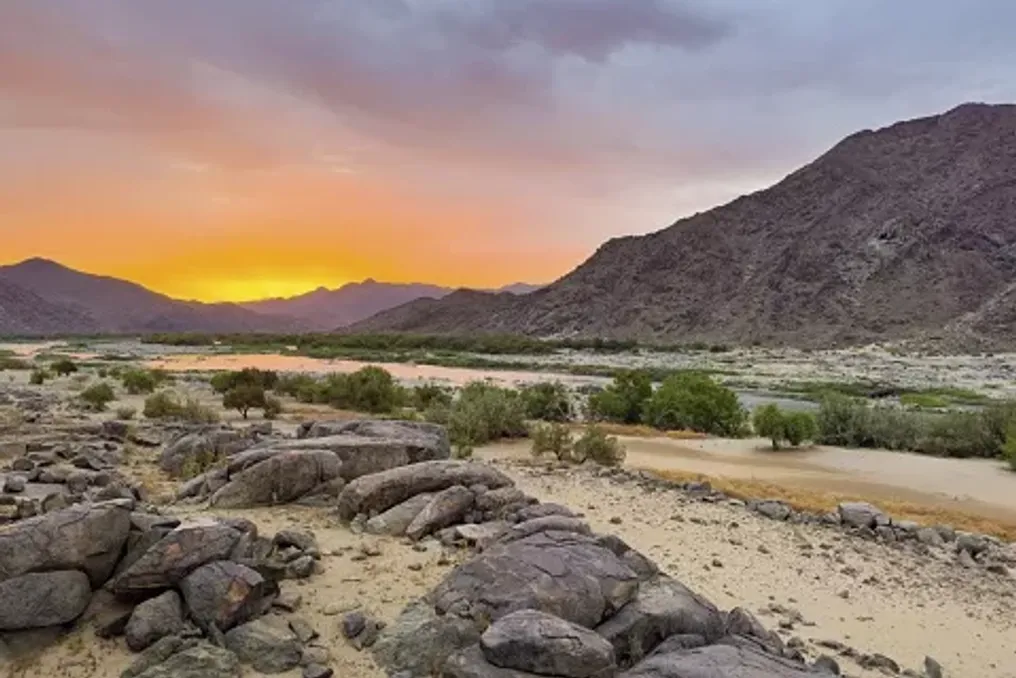
Richtersfeld is often characterized as a desert, but closer examination reveals that the landscape offers much more than just mountains, sand, and heat. In the northwestern corner of South Africa, the Orange River flows through rugged mountains, tiny succulents grow among the rocks, and morning mist brings precious moisture to an otherwise extremely arid landscape. This region is also home to the Nama people, whose semi-nomadic pastoral traditions have shaped the landscape for centuries.

The cultural and botanical landscape of Richtersfeld, covering about 160,000 hectares, was inscribed on the UNESCO World Heritage List in 2007. Its significance stems not only from its outstanding flora but also from its living cultural heritage, including seasonal livestock grazing methods and traditional 'huru om' portable dwellings.

To experience the essence of this unique landscape, 48 hours are sufficient, provided visitors are prepared for its remoteness and do not rush between attractions. The main South African entry point into the Ai-Ais/Richtersfeld Transfrontier Park is Sendelingsdrift, which serves as a convenient starting point for exploring the area.

The journey here is part of the experience itself. The nearest major commercial center, Springbok, is over 300 km away, and the final approach via the N7 highway through Steenkop, Port Nollet, and Alexander Bay includes a long gravel section. Inside the park, roads are mostly uneven farm tracks, and a 4x4 vehicle is necessary for many routes.

This remoteness distinguishes Richtersfeld from more accessible wildlife areas in South Africa. Upon arrival, it is recommended not to rush to viewpoints but instead to notice the details along the road: rock formations, resilient plants, and the changing colors of the mountains. Although Richtersfeld may appear barren from afar, it is one of the world's greatest succulent landscapes.

SANParks describes this area as supporting exceptional diversity of desert flora, including characteristic halophytes, quiver trees, and aloe. Morning mist descending from the Atlantic provides vital moisture for plants and animals in this exceptionally dry environment. Halophytes are one of Richtersfeld's most recognizable plants; their unusual vertical form inspired the name, and their presence lends the mountain landscape an almost ethereal quality.

Instead of focusing only on the largest plants, one should look down. Small succulents and miniature rock gardens can appear between stones and on rocky slopes, transforming what seems like a desolate landscape into a surprisingly vibrant botanical world. Richtersfeld is a mountain desert with harsh peaks, rocky valleys, and dramatic formations stretching inland from the Orange River.

One of the best ways to appreciate the changing topography is through a scenic drive. It is essential to stop in safe places, turn off the engine, and allow silence to become part of the experience. An unusual landmark worth noting is the 'Hand of God'—a rock formation near Sendelingsdrift, which has become a recognizable park feature.

The landscape also reveals its antiquity through archaeological evidence. SANParks notes that human habitation in the region spans thousands of years, with findings at Di-Tuun near Tatasberg dating back to approximately 2200 BCE. Animal remains in Kokkerboomkloof also indicate the presence of species such as antelope, zebra, and klipspringer thousands of years ago.

Accommodation in the park ranges from basic campsites to more comfortable nature camps. Potjiespram Campsite is located near the Orange River, and Tatasberg Nature Camp is within sight of the river. Gannakkueriep Nature Camp is situated in a rocky valley and offers equipped chalets with solar lighting and geothermal gas sources.

For a 48-hour trip, it makes more sense to stay inside or near the park rather than spending hours commuting back and forth daily. As the sun sets, the landscape transforms again. The absence of city lights makes Richtersfeld particularly suitable for stargazing. SANParks highlights the night sky in this area as one of its features, and the combination of rugged mountains, silence, and darkness makes simply sitting outside after dinner a worthwhile experience.

There is no need to over-plan this part of the trip. Find a safe spot, turn off the lights, and look up.

Additional Information

After a day filled with dry mountains, the Orange River offers an unexpected change of scenery. The river forms the northern boundary of the park, allowing a strip of greenery and wildlife through the otherwise arid landscape. SANParks lists activities on the river, such as fishing and boating, as ways visitors can experience this part of the park.

Mornings by the river are also a good opportunity to slow down. One can have breakfast, have a picnic, or simply sit by the water, watching the reflection of the landscape in the river. The contrast is striking: bare mountains rise behind vegetation growing close to the water, clearly illustrating the river's importance in this dry corner of the country.

Richtersfeld cannot be understood without its people. The cultural landscape is closely linked to the Nama community and its traditional pastoral lifestyle. Seasonal movements between pastures and livestock points have been practiced for generations, and UNESCO describes this tradition as having been preserved for at least two millennia.

Traditional 'huru om' portable homes, constructed from wooden frames and woven reed mats, are another distinctive feature of this heritage. The relationship between people and nature here is particularly interesting. Nama pastoral practices have contributed to shaping the landscape while allowing the region's succulent vegetation to persist. UNESCO recognizes this interaction between traditional land management and biodiversity as one reason for the region's World Heritage status.

This makes Richtersfeld something more than just wildlife containing traces of human history. Its cultural traditions are part of the landscape itself. On the last day, it is better to dedicate time to another scenic drive rather than trying to fit in a long list of sights. Roads can be uneven, sandy, and mountainous, so SANParks recommends traveling in convoys on difficult routes. Sedan driving is prohibited in the park, and overnight visitors are advised to arrive early enough to reach the camps before dark.

This makes Richtersfeld more suitable for travelers who value the journey as much as the destination. Stop for photos, look for birds and small animals, and pay attention to plants that become easier to spot when you know what to look for.

Two days will not be enough to reveal everything Richtersfeld has to offer, but they can change one's perspective on the desert. Here, dryness does not mean lifelessness. Mist becomes water. The Orange River turns into a green corridor. Succulents transform rocky slopes into botanical gardens. The mountains retain evidence of ancient human settlement, while Nama traditions remain tied to the land. It is this combination of nature and culture that makes Richtersfeld so unique. Come for the dramatic desert landscapes, but stay long enough to appreciate the details.

Richtersfeld is a remote wilderness requiring more preparation than a typical weekend trip. A 4x4 vehicle is necessary for many park routes, and visitors must plan their trip considering rough roads, long distances, and extreme conditions. SANParks advises overnight visitors to arrive before 4 PM to reach the camps before dark. Since service and access conditions in the park can change, visitors should check the latest information from SANParks before traveling, especially if their route includes a pontoon over the Orange River. Springbok is the nearest major commercial center, so all necessities must be stocked before entering the wilderness. Most importantly, carry an adequate supply of drinking water and take the remoteness seriously. The reward is a landscape where little stands between you and the mountains, the river, the stars, and the silence.

}, {
Thessaloniki Exploration: Three Days Discovering the City Beyond the Waterfront
Read more
getaway.co.za

Thessaloniki Exploration: Three Days Discovering the City Beyond the Waterfront

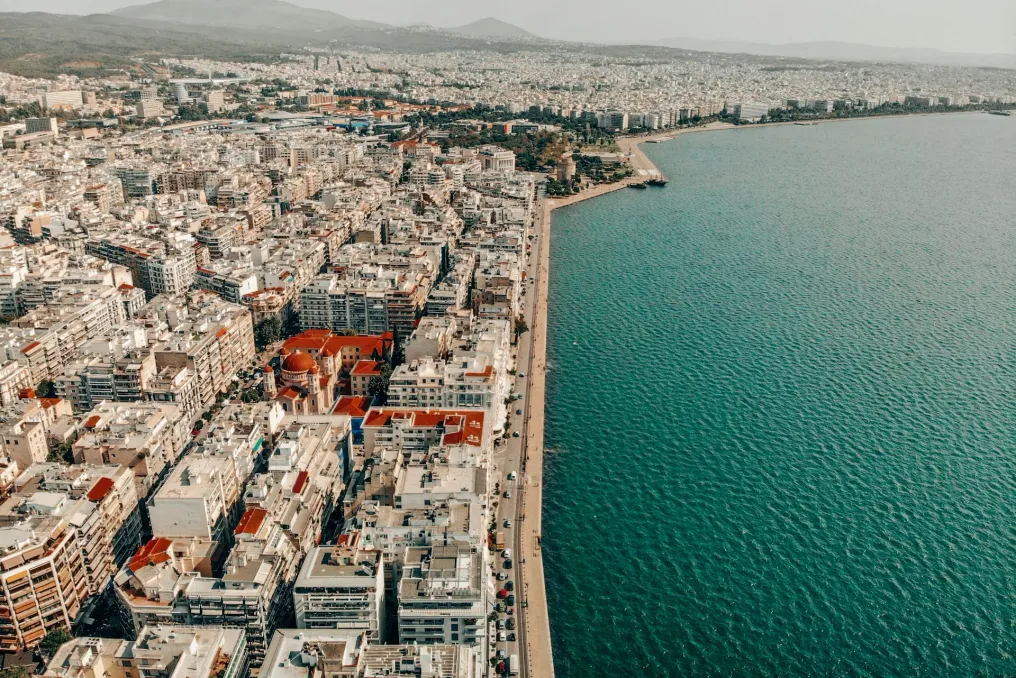
Thessaloniki, Greece's second-largest city, offers numerous attractions that extend beyond the famous waterfront and White Tower. In three days, one can explore bustling food markets, Roman and Byzantine monuments, atmospheric quarters, street art, and flavors that have made Thessaloniki one of Greece's great gastronomic centers.

This city is best explored on foot, as layers of history emerge between cafes, shops, and residential buildings. Roman ruins neighbor Byzantine churches, Ottoman-era buildings, and modern street art, while traditional markets remain an integral part of daily life. The urban landscape features 15 UNESCO World Heritage sites, many of which are Byzantine churches.

A good starting point is the center, visiting the Kapani market, also known as Agora Vlali. This ancient market is one of the oldest surviving in Thessaloniki and continues to function in the city's daily life. It hosts rows of fresh produce, spices, olives, fish, meat, and sweets, alongside bakeries, coffee shops, tavernas, and meze restaurants.

Many of these stalls have been owned by families for two or three generations. A walk through the narrow streets allows one to experience the full range of sensations—sounds, smells, and sights. Nearby is Athos Square, where one can view small food stalls and relax with a cup of coffee or a meal. The surrounding streets are abundant with traditional shops and small businesses.

Next is the Modiano Market, a covered market whose construction began in 1922 and was completed in 1930 by architect Eli Modiano. This historic market is designed with a glass roof in the style of European market halls. Today, it combines grocery stores, traditional goods, restaurants, and bars.

Modiano is particularly interesting due to its connection with Thessaloniki's Sephardic Jewish culture. Its architect, Eli Modiano, came from one of the city's well-known Jewish families. The market also reflects the city's evolving gastronomic culture, offering a chance to taste local flavors while observing the intersection of traditional and modern Thessaloniki.

From the markets, one should move towards the Roman Forum and the Galeria complex, where the city's ancient history is undeniable. The Rotunda is one of Thessaloniki's most outstanding monuments. This monumental structure, built during the Roman period, served various purposes over centuries and is considered one of the city's most important historical landmarks today.

Near the Galeria Arch and the remains of the Galeria complex, another glimpse into the Roman city is provided. Instead of rushing between monuments, it is recommended to stroll through the surrounding streets. This is where the contrast begins to emerge, making Thessaloniki so appealing: ancient ruins stand next to modern cafes, university buildings, shops, and lively streets.

No gastronomic journey in Thessaloniki is complete without bougatsa, the city's famous layered pastry. This pastry is made from thin, crispy filo and can be sweet or savory. The classic sweet version is filled with cream and dusted with powdered sugar and cinnamon, while other versions contain cheese, spinach, or minced meat.

Bougatsa became especially associated with Thessaloniki after the arrival of Greek refugees from Constantinople and other parts of Asia Minor in the early 20th century. It is traditionally served with Greek coffee, forming one of the city's classic breakfasts.

In the evening, one should head to Ladika, a former commercial district located near the center. Its cobbled streets and preserved facades now house restaurants, bars, and tavernas. This historic area survived the great fire of 1917 and was subsequently transformed into one of Thessaloniki's most famous gastronomic and nightlife zones.

Instead of ordering one large dish, it is better to order several small portions. The meze dining style is ideal for Thessaloniki, allowing one to try more local flavors. Furthermore, the UNESCO monuments include churches, monasteries, fortifications, and the Rotunda. These monuments span centuries and contain important examples of Byzantine art and architecture.

Visit the Church of St. Demetrius, dedicated to the city's patron saint, and the Church of the Holy Wisdom before heading to Ano Poli. On a short trip, it is not necessary to visit all Byzantine monuments; one should choose a few of interest and leave enough time to explore the quarters between them.

The upper city, or Ano Poli, feels distinctly different from the bustling center. This area has retained its narrow streets, traditional houses, and older architectural details, offering a look at the quieter side of Thessaloniki. The elevated position of the area also provides panoramic views of the entire city.

Time should be set aside to wander without a strict itinerary. Stop at a traditional cafe, look for old houses, and follow the alleys toward the city walls. From there, one can proceed to the Vlatadon Monastery, a Byzantine monastery in Ano Poli. Its elevated location makes it a tranquil place for relaxation with a view of Thessaloniki and part of the city's broader Byzantine heritage.

From Ano Poli, one can follow the preserved city walls to Eptapirgio and the Trigonion tower. These fortifications are among the most picturesque places for walks, especially closer to evening, when Thessaloniki spreads out below. The walls form an important part of the city's Byzantine heritage and offer a different perspective on Thessaloniki's long history. Tourist authorities describe Ano Poli and the walls as places where the city's historical layers are most evident.

It is recommended to have dinner in the Upper City rather than returning immediately to the center. Traditional tavernas hidden in the neighborhood's alleys offer a chance to experience the quieter side of Thessaloniki. One should look for local dishes, grilled meats, meze, and seasonal vegetables.

The cuisine of Thessaloniki has been shaped by local traditions, as well as recipes brought by Greek refugees from Asia Minor, Pontus, and Eastern Phrygia. Thessaloniki's history is also inextricably linked to its historic Jewish community. After the expulsion of Jews from Spain in 1492, a large number of Sephardic Jews settled in Ottoman Thessaloniki, becoming an important part of the city's commercial and cultural life.

The Thessaloniki Jewish Museum provides an introduction to this history. Its building is one of the few structures in the city center to have survived the devastating fire of 1917. It currently houses collections dedicated to the Jewish community and the heritage of Thessaloniki. It is worth visiting, even if historical museums are usually not on a traveler's list, as it adds another vital layer of understanding of the city.

The history of Thessaloniki is not limited to archaeological sites. Modern street art has become another layer of the urban landscape, with frescoes and small works appearing throughout the city. Time should be spent exploring the side streets around the center and university district, instead of sticking to main tourist routes. The contrast between historic buildings, archaeological remains, and contemporary art is part of Thessaloniki's appeal.

Head to Navarin Square, where the remains of the Galeria Palace neighbor a vibrant modern district. The square is known for its youthful and alternative atmosphere, with cafes, bars, restaurants, and shops. It is particularly popular among students and remains lively throughout the day and evening. Nearby is Dimitrios Gounaris pedestrian street, which is also worth exploring, featuring shops, cafes, and quick bite spots. Scattered Roman ruins in this area serve as a reminder of the close relationship between Thessaloniki's ancient and modern identities.

Reserve part of the last day for gastronomy. Thessaloniki is part of the UNESCO Creative Cities Network for Gastronomy, and its food culture reflects the numerous communities and migratory movements that have shaped the city. Beyond obvious gyros and souvlaki, one should try koulouri, a sesame-coated bread ring sold throughout the city, or look for local sweets such as trigaona—crispy dough cones filled with cream. Bougatsa is also a must-try, regardless of whether one chooses the sweet version with custard cream or the savory filling.

The gastronomic culture of Thessaloniki also includes meze restaurants, ouzeries, tavernas, and confectioneries. Seafood, mussels, meatballs, stuffed vegetables, and other dishes shaped by the city's multicultural past are found everywhere in the local culinary landscape. The essence is not just about ticking off dishes on a list, but about understanding how food tells the story of the city.

The Thessaloniki waterfront may be its most recognizable feature, but that is only the beginning. By spending 72 hours exploring beyond it, another city is revealed: a city of markets and Byzantine churches, Roman ruins and Ottoman influence, traditional bakeries and modern cafes, street art, and old quarters. It is a city where history is not locked behind museum doors. It is woven into the streets, the food, and daily life, making Thessaloniki a particularly valuable destination for travelers who prefer to explore by walking, eating, and observing, rather than simply moving from one famous landmark to another.

How to spend 48 hours in Dakar exploring the city beyond the beaches
Read more
getaway.co.za

How to spend 48 hours in Dakar exploring the city beyond the beaches

Despite its location on the Atlantic Ocean, Senegal's capital offers much more than just a coastline. Over a period exceeding 48 hours, visitors can immerse themselves in the atmosphere of colorful markets, modern art, historic districts, enjoy Senegalese cuisine, live music, and the deeply moving history of Gorée Island.

The city possesses a distinct creative energy, as museums, galleries, craft fairs, and cultural spaces are integrated into the daily life of the neighborhoods. Official tourism information for Dakar advises guests to explore the markets, museums, craft centers, and vibrant local quarters as one of the best ways to get to know the capital.

How to spend two days discovering Dakar away from the beach

The first morning should begin in Plateau, Dakar's central district, where colonial-era buildings, bustling streets, and markets provide an immediate introduction to the capital. It is recommended to visit Marché Kermel, one of Dakar's most famous covered markets. There, you can browse stalls filled with fruits, vegetables, flowers, spices, and other daily goods, while the surrounding streets showcase the rhythm of city life.

This area is also close to Independence Square, the port, and the historic Dakar railway station, allowing for an easy walk between several attractions. Instead of rushing between sites, it is worth taking time to observe the city around you. Dakar is a place where markets, cafes, street vendors, artisans, and passengers become part of the overall experience.

Next, you can head to the IFAN Théodore Mono Museum of African Art, which is one of Dakar's important cultural institutions. This museum, located in a colonial-era building, houses an extensive collection of African art, including masks, sculptures, jewelry, textiles, ceramics, and musical instruments. The museum provides useful context for understanding the broader artistic culture of West Africa before exploring Dakar's contemporary scene.

If you are more interested in contemporary African art, you should look into Dakar's galleries and independent creative spaces. The city has long been an important center for contemporary African art, and the Dak’Art biennial gives its creative reputation international scope. Another option is the Boribana Museum, which focuses on contemporary art from the African continent and diaspora, featuring sculpture, painting, photography, and video in its collection.

Leaving the museums behind, you can explore one of Dakar's neighborhoods without trying to see all the sights. Medina is a good place to feel the more lively and local side of the capital, where shops, sewing workshops, eateries, and street life unfold around you.

Dakar's tourism authorities describe the city as a place to be discovered through its markets, craft centers, and colorful, vibrant neighborhoods, rather than just through official landmarks. For a different perspective, you should go to Sombédioune, known for its fishing community and craft market. This market is one of the established craft centers of the city, and the fishing activity adds another layer to the experience.

Senegalese cuisine deserves more attention, especially Thieboudienne, the country's famous rice and fish dish. Among other must-try dishes are Yassa chicken, Mafé, and various fried meats, fish, and street snacks. Dakar's gastronomic scene ranges from informal local eateries to restaurants offering more modern interpretations of Senegalese cuisine. The best approach is to leave room for several different tastes instead of planning every meal around one restaurant.

Dakar has its own energy after dark

You should look for a venue where Mbalax, a popular Senegalese musical style associated with artists like Youssou N'Dour, is performed, or find a live performance during your visit. Music in Dakar is not just evening entertainment; it is part of the city's cultural identity, and cultural venues across the capital regularly host performances and events. For example, Dakar's cultural calendar for 2026 includes musical events held at places such as the Museum of Black Civilizations.

Exploring Gorée Island

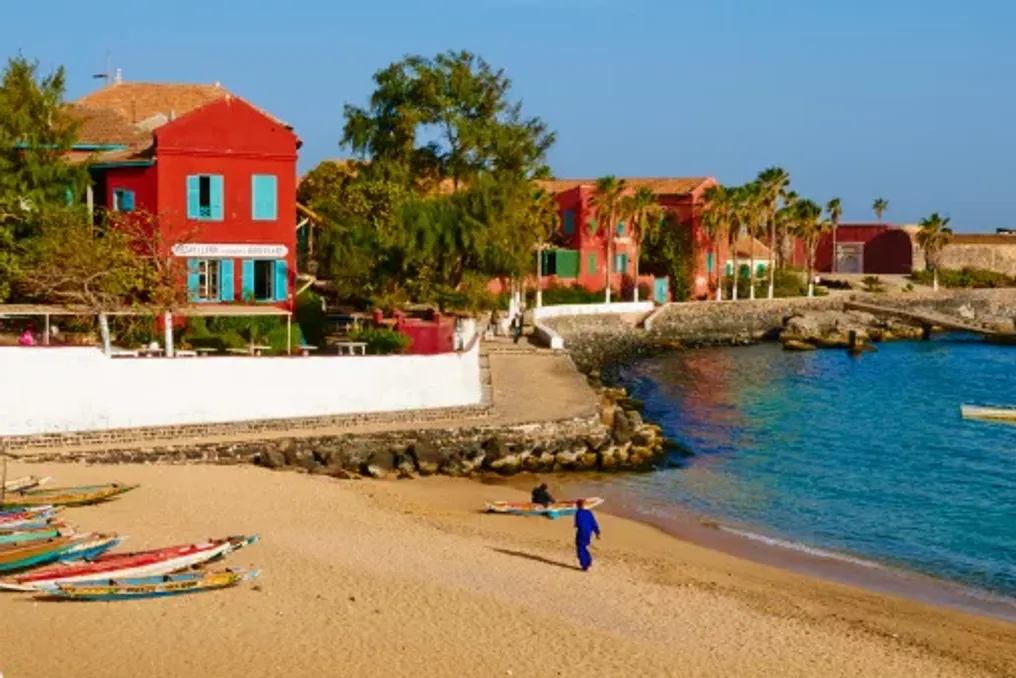
The first half of the second day should be dedicated to Gorée Island, accessible by ferry from Dakar. The crossing takes little time, but the experience changes drastically upon arrival. Gorée is known for its colorful colonial-era buildings, narrow streets, and bougainvillea, but its significance runs much deeper. The island is a UNESCO World Heritage site and an important memorial site connected to the history of the transatlantic slave trade. UNESCO calls Gorée the 'Island of Memory' and recognizes it as an exceptional testament to the history of human exploitation.

The most famous historical site on the island is Maison des Esclaves, or the Slave House. The building dates back to 1776 and now functions as a museum and memorial. Its exhibits and architecture emphasize the history and human cost of the slave trade. This place requires respectful visitation and should not be treated merely as another stop on a tourist itinerary. The history of Gorée is complex, and historians debate the exact role and scale of the island within the broader transatlantic slave trade. Today, its importance also lies in its role as a place of memory and reflection.

After visiting the museum, you should take time to stroll through the island's quiet streets, view the historic buildings, and explore small museums and galleries. The absence of cars makes walks particularly pleasant, and the island can feel significantly slower than Dakar itself, situated across the water.

Returning to the mainland, you can spend part of the day in Sombédioune. This area combines fishing traditions and crafts, offering a more everyday view of Dakar than formal museums and historical monuments. The Dakar Ministry of Tourism designates Sombédioune as a major craft center, alongside other markets and neighborhood attractions. You can view handmade items, observe the activities of the fishing community, and soak up the atmosphere before continuing along the coast.

The essence of this visit is not necessarily purchasing anything. It is important to see how traditional skills, trade, and daily life remain part of the rapidly changing capital.

Before the last evening, you should head to the Monument of African Renaissance. This massive monument is located on one of Dakar's highest points and offers a wide view of the city and the Atlantic coast. It is also an opportunity to reflect on Dakar's place in the overall history of modern Africa.

If time permits, you can continue to Mamelles, two volcanic hills on the Cap-Vert peninsula. This area is one of the sites highlighted by Senegal's tourism authorities and offers another perspective of the capital beyond its central districts.

For the final evening, it is recommended to return to gastronomy. Try another Senegalese specialty, order a dish at a local eatery, or find a place where locals gather for music and socializing.

After two days, the most memorable element of Dakar may not be one specific attraction, but the contrast between its bustling markets, creative spaces, historic streets, fishing communities, and evenings filled with music. The Atlantic is always nearby, but to understand why Dakar is one of West Africa's most captivating cities, you don't need to know the beach.

Dakar is a large and busy city, so some flexibility should be built into the 48-hour itinerary, as traffic jams can increase travel time between districts.

Access to Gorée is via the Dakar-Gorée ferry service from the port. The Port of Dakar publishes current schedules and fares for crossings, so check the official timetable before departing. Walking is suitable for exploring neighborhoods, while taxis and other local transport are useful for longer trips. If you are visiting Gorée specifically for historical sites, check opening hours before traveling. The Ministry of Culture of Senegal currently indicates that the Slave House is closed on Mondays.

Popular