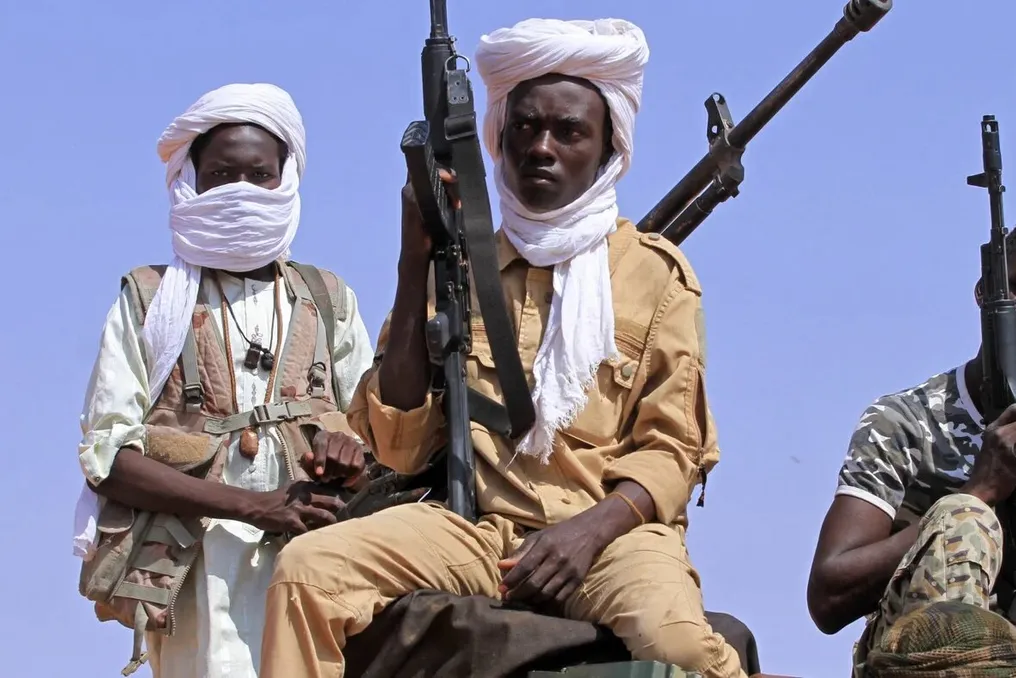
For over three years, Sudan has been in a state of war, which has led to the destruction of cities, the depopulation of villages, and the forced displacement of millions of people. Since the outbreak of hostilities between the Sudanese Armed Forces (SAF) and the Rapid Support Forces (RSF) in 2023, international diplomacy has held numerous conferences, proposed ceasefires, and mediation initiatives.
Nevertheless, every new round of negotiations has been interrupted by renewed violence on the ground. Human casualties continue to rise: it is estimated that over 150,000 people have died, more than 14 million have become internally displaced persons, and famine is spreading across parts of Sudan.
Against this backdrop, the European Union increasingly uses sanctions as a primary tool of engagement. The latest package, adopted in July 2026, marks a noticeable shift. Instead of expanding the practice of blacklisting individuals and companies, Brussels has focused on targeted impact on Sudan's war economy, banning the import of Sudanese gold and prohibiting the export of mercury and cyanide used in gold mining.
This change is significant, but it raises a broader question: can economic sanctions be effective if they target a commodity financing the war while leaving untouched the regional networks that make this trade profitable?
The EU is not new to sanctions against Sudan. It maintained an arms embargo since the mid-1990s, later incorporating its measures into the UN sanctions regime in Darfur. In October 2023, Brussels established a special sanctions system against individuals and organizations deemed responsible for undermining Sudan's stability. Over the next two years, this list was expanded to include military commanders, financial institutions, and companies linked to the SAF and RSF.
These measures had more political symbolism than leverage. Most sanctioned entities possessed a small number of assets in European jurisdictions, while the financial foundations of the conflict remained untouched. Illegal gold trafficking, illicit arms shipments, and cross-border financial networks continued to generate resources funding the war. As long as these sources of income remained unaffected, neither side felt significant economic pressure compelling them to compromise.