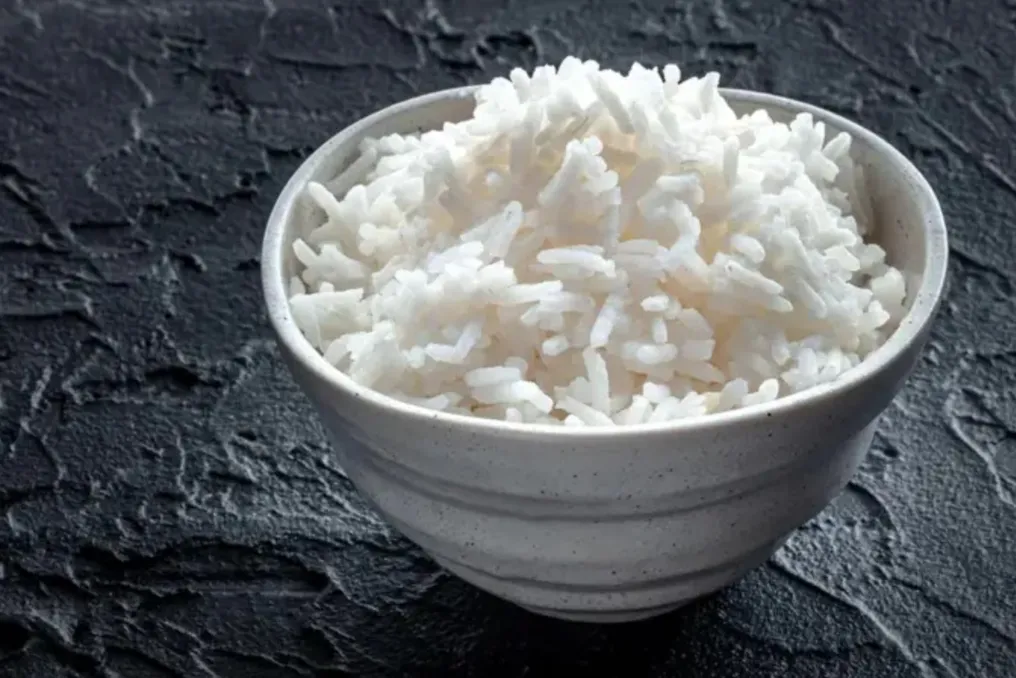
There is a debate about the necessity of washing rice before cooking: some consider this practice mandatory, while others believe it is unnecessary. However, research shows that this procedure does indeed affect certain aspects of cooking.
Before reaching the kitchen, rice goes through several stages, starting from cultivation and ending with the removal of external parts of the grain. During this process, starch can remain on the surface. This material is removed upon contact with water during rinsing.
For many years, it was believed that removing surface starch was critically important to prevent rice from sticking during cooking. Nevertheless, a 2019 study, cited by both Live Science and nutritionist Evangeline Mantzioris from the University of South Australia on The Conversation website, indicates a different picture.
Study on viscosity and rice varieties
Researchers found that viscosity is determined not by this surface starch, but by another substance—amylopectin, which is released from the grain during cooking. The experiment compared sticky rice, medium-grain rice, and jasmine rice, subjecting them to different levels of washing—from no washing at all to three or ten rinses. The results showed that washing the grains did not affect either viscosity or hardness. In fact, the decisive factor was the type of rice: sticky rice became more viscous, while medium-grain and jasmine rice became less viscous.
Thus, the explanation for the 'ritual' of washing rice lies in the method of grain preparation in the past. Water allowed for the removal of small impurities or residues that might have remained on the grains after processing. This function has lost some of its significance in modern commercial rice, which already undergoes various stages of packaging and control before sale.
Arsenic and microplastics: what washing can help with
However, there are two aspects where washing can be beneficial. The first is arsenic. During rice cultivation, this element is naturally absorbed from the soil and water, and according to data provided in The Conversation, one study established that rinsing removes about 90% of bioavailable arsenic. Another study analyzing arsenic, lead, and cadmium recorded a reduction of these three metals by 7% to 20%.
The second issue relates to microplastics. According to Mantzioris, a 2021 study showed that washing rice can reduce the amount of plastic. In raw rice, this reduction reached 20%, and in instant rice, it could reach 40%. Furthermore, in the analyzed samples of instant rice, the concentration of plastic was four times higher than in raw rice.
However, this benefit comes with a small drawback: washing does not distinguish between substances that need to be removed and some components of the rice itself, so some minerals may also end up in the water. Among those mentioned in the studies are copper, iron, zinc, and vanadium. Despite this, Live Science notes that this product only provides a small fraction of the daily requirement for these nutrients, so the dietary impact of washing is likely negligible for most people. Nevertheless, The Conversation emphasizes an important point, pointing out that this loss may be more significant for population groups that regularly consume large amounts of washed rice.
Bacterial prevention during cooking
It is unlikely that pre-washing serves to reduce the risk associated with bacteria present in raw rice. The cooking process destroys microorganisms, regardless of whether the rice was washed or not, although some spores of Bacillus cereus may survive. The problem arises if cooked rice remains at room temperature for a long time, as these spores can activate, causing bacterial growth and producing toxins that subsequent reheating may not eliminate.
In summary, not washing rice will not make it more dangerous from a bacteriological point of view, and washing it will not significantly change its texture. Nevertheless, a quick rinse, once or twice, remains a simple action that, as recommended by Bo Van, a scientist specializing in nutrition from the University of Adelaide in Australia, in Live Science, can help reduce arsenic and microplastic levels without compromising the nutritional value of the dish.