Mother claims son should not undergo heart surgery due to high risk of death
Read more
Grupo Globo
g1.globo.com

Mother claims son should not undergo heart surgery due to high risk of death

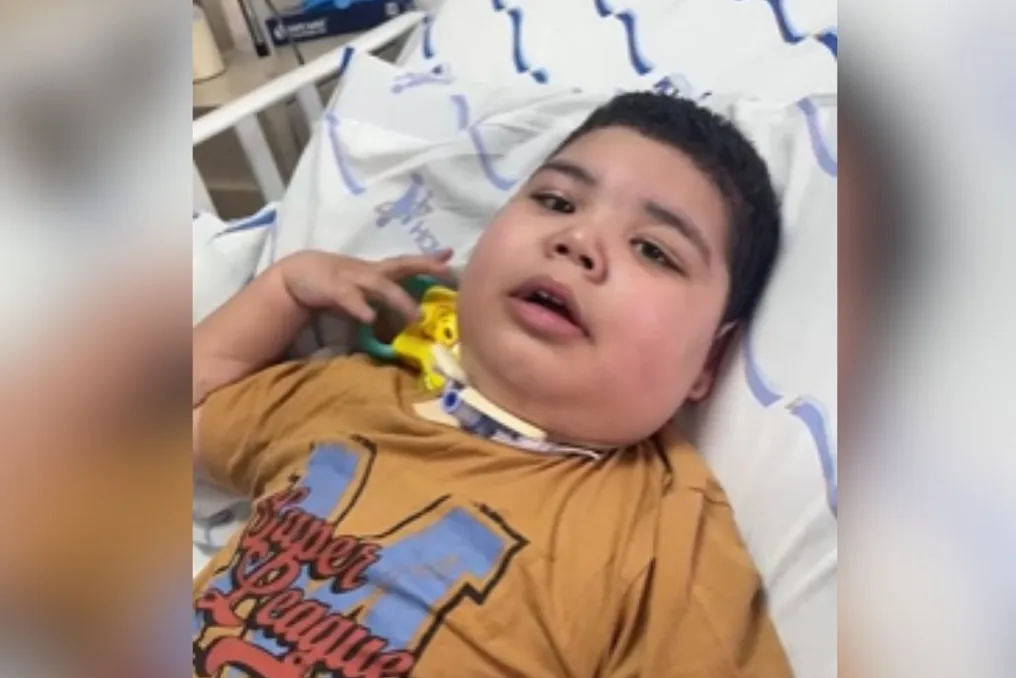
Kauan should not undergo the necessary heart surgery, according to his mother, Laise Sousa. Doctors at the São José do Rio Preto Children's and Maternity Hospital, located in São Paulo, assessed that the procedure poses a high risk of death for the boy. The family plans to return to Tocantins.

After being admitted to the hospital, the boy underwent various examinations. In a video shared on social media on Friday afternoon (2), the mother reported that the doctors held a meeting and concluded that there was no indication for the surgery. She mentioned that Cauã has multiple neurological and pulmonary problems, making any intervention unfeasible.

Kauan needed a surgery called Fontan, a procedure indicated for children born with only one functional ventricle in the heart. Laise expressed her despair, stating that despite her efforts, the risk of death was very high, and that, therefore, 'nothing can be done for him.'

In September, Laise protested by chaining herself to the gate of the General Hospital of Palmas (HGP) to demand her son's transfer to a reference hospital in São Paulo. She lamented having fought so much and feeling that everything might end without success, but acknowledged that she tried her best, reinforcing that the risk of operating on him and him passing away was excessively high.

According to Laise, the hospital team communicated that there was nothing more to be done, ordering that she and her son be returned to Tocantins. Currently, she expresses the intention of focusing on providing comfort to the boy, accepting the diagnosis and waiting for the moment God determines.

The São José do Rio Preto Children's and Maternity Hospital stated that it provided all necessary clarifications to the family after evaluating the patient. Furthermore, the institution emphasized that, by law, it cannot disclose or comment on any details or circumstances related to the patient that could expose their data.

Recalling the case

The family originates from Paraíso do Tocantins, a municipality located approximately 60 km from Palmas. This case dates back to 2024, when Laise requested treatment outside her city. In July 2025, the Judiciary ordered the State to arrange the child's transfer to the São José do Rio Preto Children's and Maternity Hospital, using an air ICU, with the right to one companion and coverage of lodging expenses.

A year later, the Judiciary issued a new determination, blocking the necessary financial amount for the surgery. Laise staged a protest by chaining herself to the gate of HGP on the morning of September 9, and on the same day went to the Public Ministry, requesting her son's transfer.

During that period, the State Health Secretariat informed that the patient had been treated at the Municipal Hospital of Araguaína and that, after medical evaluations, the Fontan surgery was considered contraindicated due to the child's clinical conditions, which presented clinical fragility and compromise of vascular access. On September 12, 2026, the State notified that the transfer was authorized, awaiting acceptance by the unit in São Paulo. Kauan was transferred to São Paulo fourteen days after this release.
Similar stories

Passengers with metal implants in their bodies are advised to carry medical documents before traveling to the airport
Read more
www.aajtak.in

Passengers with metal implants in their bodies are advised to carry medical documents before traveling to the airport

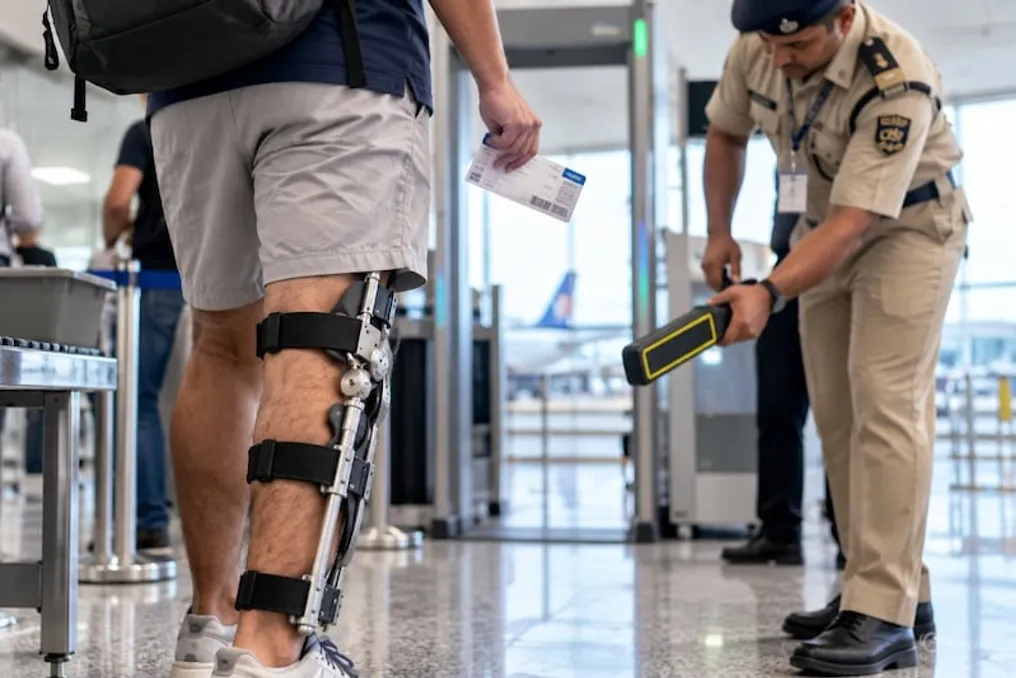
If a person has a metal rod, plate, screw, or other implant installed in their arm or leg after surgery, and they plan to fly by plane, it is wise to have the relevant medical documents with them before visiting the airport. However, the presence of such an implant itself does not mean that they will be prohibited from flying.

According to the official website of CISF, which oversees security in India, passengers are advised to notify security personnel in advance about the presence of an implant or prosthesis in their body. In such cases, a doctor's consultation may be required.

During a security check, a metal detector may sound an alarm due to a metal implant in the body. In this situation, the passenger may undergo additional screening. According to the Civil Aviation Ministry guidelines, if the alarm sounds during the check and clarification is needed, a pat-down search may be conducted. This means that the security screening procedure for a person with an implant in their arm or leg may differ from the procedure for a regular passenger.

According to official recommendations, the passenger can inform security staff about their health condition using medical documents, information cards, or UDID cards. However, presenting these documents does not exempt them from additional security checks. If there is a rod, plate, screw, or artificial joint in the body, it is useful to have the following papers with you while traveling:

  • Discharge summary after the operation
  • Medical report or doctor's certificate
  • Implant card, if issued by the hospital
  • Related X-rays or medical records, if available

There is no official rule obligating any passenger to have any of these documents; therefore, it is more accurate to call them recommended medical documents rather than mandatory ones. Passengers should inform security staff before the check begins that they have a rod or another metal implant in their body. The condition can be explained with medical documents if necessary.

There is also a provision for protecting the privacy and dignity of the passenger if additional screening is required. In some cases, a manual inspection may take place in a separate room.

As part of the official security procedure, a detailed manual check may be conducted if there is a metal implant in the body. Special attention may be paid to the area where the implant is located. During the security check, the reason for the metal signal activation must be explained. Prostheses, casts, or body support devices may also be checked, depending on necessity.

No. The mere presence of a metal rod or implant in the body is not grounds for prohibiting air travel. The purpose of the rules is to ensure proper security screening. If the metal detector sounds an alarm, security personnel may conduct an additional check. The passenger must inform in advance about the implant, and having medical documents will be helpful if available.

Important to remember

According to official sources, security staff must be informed about the presence of an implant, and medical documents can be used if necessary. Therefore, before traveling to the airport, you should bring a discharge summary, an implant-related document, or a doctor's report. Keeping a digital copy of these documents on your phone can also be helpful, as it facilitates providing information about the implant during the security check.

Some important tips

Try to arrive at the airport early so that you do not miss your flight in case of a delay in the check. If you have mobility issues, book wheelchair or assistance services with the airline in advance. Consult a doctor before traveling, especially if the operation was recent. Rules may vary slightly in each country and airport, so familiarize yourself with the guide of the relevant airport or airline before international travel.

Over 8,000 Ebola outbreak cases with high mortality recorded in DR Congo
Read more
iol.co.za

Over 8,000 Ebola outbreak cases with high mortality recorded in DR Congo

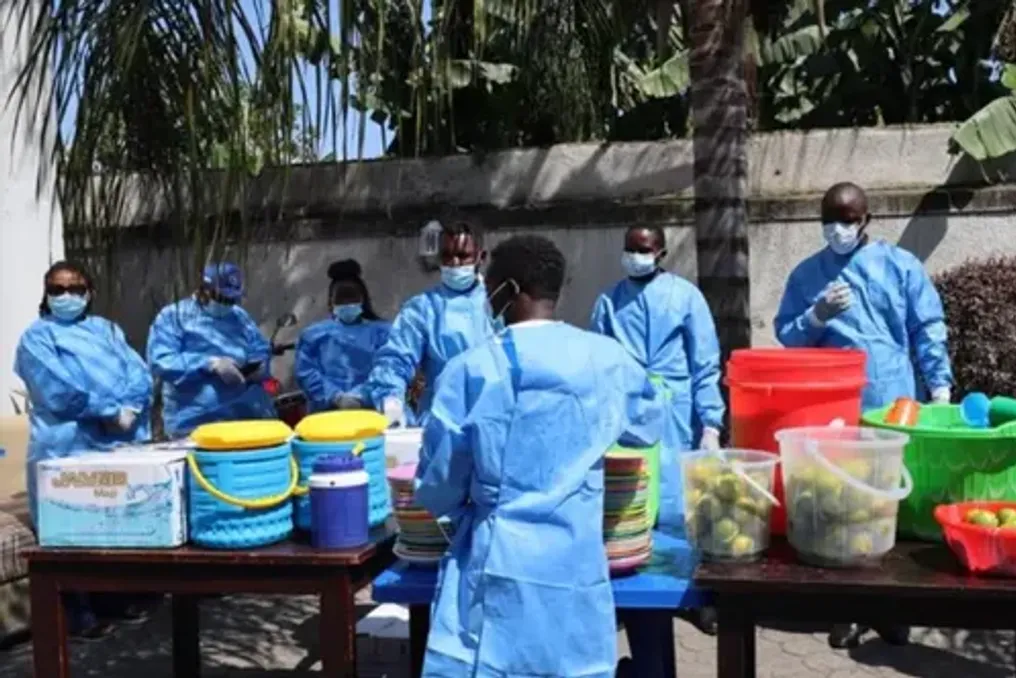
According to Congolese authorities, over 8,000 cases of Ebola have been registered in the Democratic Republic of Congo, including nearly 4,000 deaths. This outbreak is considered the most serious in the country's history.

In mid-May, the DRC officially declared its seventeenth Ebola outbreak. This deadly disease has claimed more than 15,000 lives in Africa over the past five decades.

Currently, authorities have recorded 8,067 cases, of which 3,901 are deaths and 2,070 have recovered. The latest official data indicates a fatality rate of 48.4 percent.

The outbreak began in the northeastern province of Ituri and has spread to seven provinces. The highest number of registered cases is in Ituri, North Kivu, and Upper Uele.

Despite the initial rapid increase in cases, the pace has slowed. However, the African Union's health agency, Africa CDC, believes that the outbreak is 'out of control.'

Tests for various vaccines and treatments against the Bundibugyo strain of Ebola are currently underway, although no approved vaccine or treatment is available yet.

Medical assistance faces resource shortages in remote areas. The situation is complicated by armed groups obstructing movement, as well as mistrust from some local populations, leading to violence against humanitarian personnel.

According to the latest report from the Ministry of Health of Congo, a case identification worker was killed during an armed attack on a medical post in North Kivu province. The report also highlighted the 'low capacity' to treat cases in medical centers in Ituri province.

Furthermore, in the northeastern province of Tshopo, where cases are being recorded, there is a 'complete shortage' of supplies of the experimental vaccine against the Bundibugyo strain.

In recent weeks, the DRC began administering the first doses of the Ervebo vaccine to frontline medical staff as part of clinical trials. This vaccine has proven effective against the previously most common Zaire strain.

In August, approximately 70,000 doses of Ervebo were allocated to the DRC from the global Ebola vaccine reserve. Additionally, last week, the United States announced an allocation of another $267 million to combat Ebola.

Advancement in Veterinary Medicine, Fatal Road Accident on BR-262, and Suspension of Eviction for 90 Families
Read more
g1.globo.com

Advancement in Veterinary Medicine, Fatal Road Accident on BR-262, and Suspension of Eviction for 90 Families

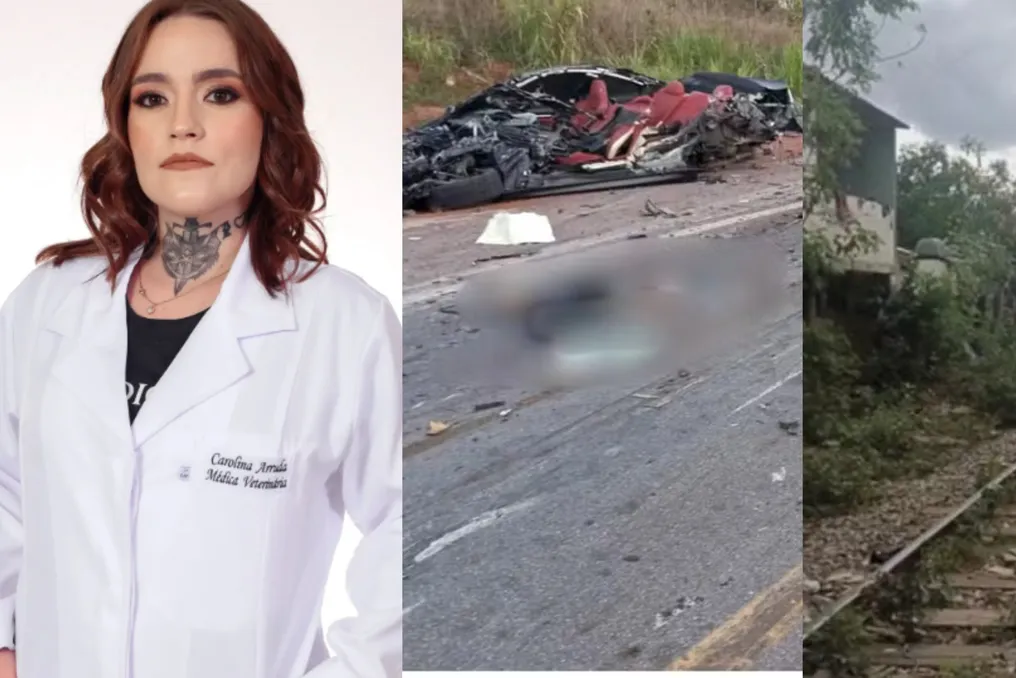
Several significant events took place in the Centro-Oeste region during the week from September 26 to October 2. Among these are a graduate who completed her studies in veterinary medicine, a tragic road traffic accident, and the suspension of plans to evict a large number of residents.

Carolina Arruda celebrated her 30th birthday on Monday (the 29th), which coincided with receiving her diploma in Veterinary Medicine from the Federal Institute of Minas Gerais (IFMG) in Bambuí. According to her, the diploma was the realization of a long-held dream that had been repeatedly postponed due to trigeminal neuralgia—a condition known for one of the most severe pains described in medicine.

Carolina has lived with this illness for 13 years, during which time she underwent 11 surgical interventions and numerous hospitalizations, and was forced to interrupt her studies several times. At age 30, she finished the course and received her diploma on her birthday, remarking: 'I received a double gift. My 30 years of life and my much-desired and so desired diploma. The path was long and difficult, but everything worked out. It was worth it.'

On Saturday (the 26th), a collision occurred in Coregu Danta involving a car, a tow truck, and a truck transporting cattle. As a result of the accident, the 52-year-old driver died, and two others were injured. The roadway was temporarily closed in both directions for examination and removal of the vehicles.

According to information from the Federal Highway Police (PRF), the tow truck driver died at the scene. The truck driver carrying cattle received immediate medical attention and was transported to a medical facility in Campus Altush, suffering from body-wide pain. The passenger car driver was also examined at the scene and sent to the hospital.

The eviction actions against more than 90 families living along the railway in Arcos for over 15 years have been suspended by the Minas Gerais Court (TJMG). This decision was made preliminarily upon a request from the Minas Gerais Public Prosecutor's Office (MPMG).

Property recovery processes were initiated by Ferrovia Centro-Atlântica, the concessionaire of the railway line. The company stated that it has reviewed the decision and intends to present its position within the judicial process.

According to the MPMG, the company attempted to remove residents from the railway's right-of-way and undeveloped zone without providing them with alternative housing, a resettlement plan, or prior compensation.

Popular